لا أعرف محافظة في سورية نالت من الدمار مثل ريف دمشق، أكبر خزان بشري في البلاد، ولا أعرف محافظاً في سورية يعاني من ضغط العمل كما يعاني منه محافظ ريف دمشق عامر الشيخ، الذي يدير محافظة تبلغ مساحتها نحو20 ألف كيلومتر.
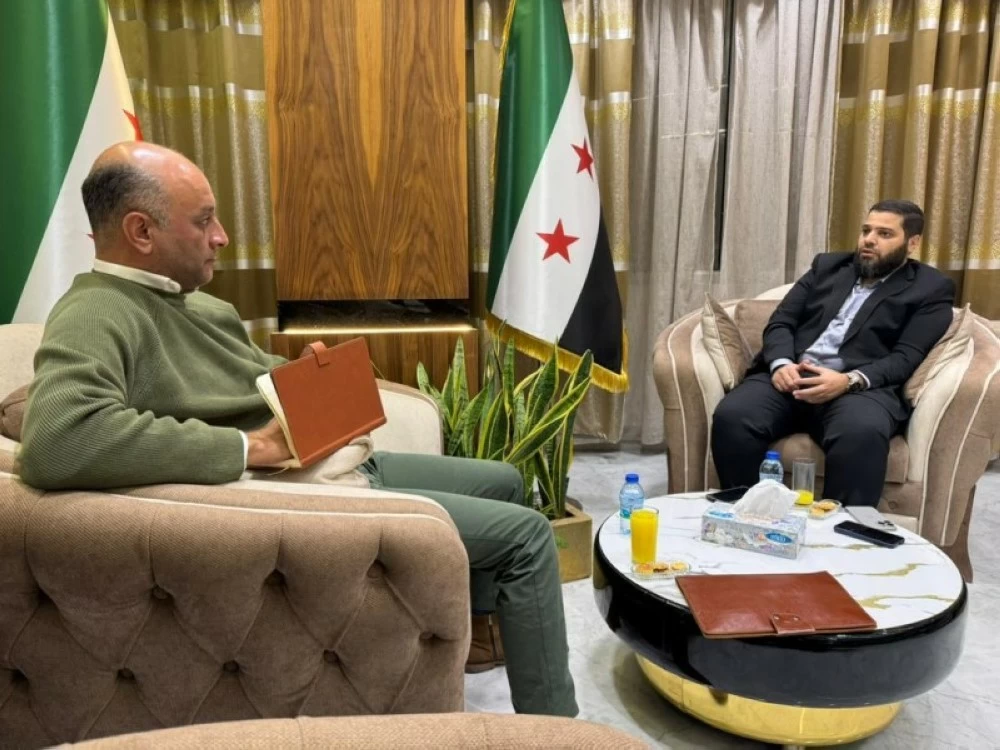
خلال الحوار مع الشيخ في مكتبه المتواضع، لم يهدأ رنين «التليفون الخاص» به، حتى تدخل أحد المعاونين ليجيب على الاتصالات، كان ذلك مؤشراً على ازدحام العمل، إذ إنه منذ الصباح وحتى نهاية اليوم يمضي المحافظ معظم أوقاته خارج المكتب بساعات تتجاوز الـ18 ساعة يومية، ناهيك عن الاجتماعات المتتالية في مكتبه، لكن المثير في الأمر أن عامر الشيخ ما يزال يؤمن أن «العام القادم هو عام التنمية».
سألت المحافظ: كم كانت الميزانية المتبقية في خزينة المحافظة؟ فكان الجواب نحن وصلنا إلى محافظة لا ميزانية فيها سوى في الأرقام، فقد حصلنا على «ميزانية صفر».. ومع ذلك بدأنا العمل وحققنا قدر الإمكان بعض احتياجات الناس في المدارس وخدمات المياه.. «عكاظ»حاورت مطولاً صاحب التركة الثقيلة في سورية عامر الشيخ.. وإلى التفاصيل:
واقع الخدمات وحجم الدمار
• ما واقع الخدمات الآن في ريف دمشق؟ وماذا عن حجم الدمار في هذه المحافظة؟
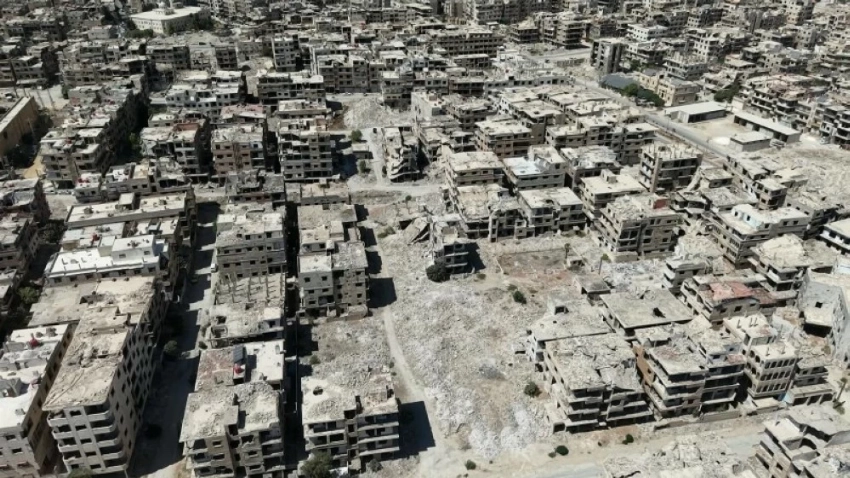
•• بعد سنوات الثورة، تعرضت المنطقة للدمار جزئياً أو كلياً بنسبة تراوح بين 40 و50%، فالمحافظة كبيرة ومترامية الأطراف وحجم الدمار يفوق التصور، إذ يوجد في ريف دمشق 156 وحدة إدارية منها 54 في الغوطة الشرقية، وقد تعرضت وغيرها تعرضت لدمار كبير.
هناك مناطق تعرضت لدمار كبير جداً، مثل داريا والزبداني والحجر الأسود، وكفربطنا وجرمانا والمرج، بعض الأحياء دُمّرت بالكامل، مثل الحجر الأسود الذي كان عدد سكانه حوالى 400 ألف نسمة، وأصبح اليوم حوالى 18 ألف نسمة فقط.
محافظة ريف دمشق التي دمرها نظام الأسد على مدى نحو 15 عاماً.
• وماذا عن المدارس؟
•• نظام الأسد البائد كان يمسح كل شيء على وجه الأرض حتى المدارس، ناهيك عن المباني السكنية، مثل حي العجمية وحي خليج داريا، وأصبحت خالية من السكان تقريباً، بعد أن جرفها النظام بمقدار 1500 دونم كلها كانت بيوتاً.
إزالة المخلفات والأنقاض
• هل يمكن تحديد نسبة الدمار في ريف دمشق؟
•• نحن نعمل على حصر النسب رغم صعوبة الأمر، لكن في داريا تبلغ نسبة الدمار ٦٠٪ وكذلك الأمر في الزبداني.. وأمام هذا المشهد كيف يمكن لمحافظة أن تتصرف، إن إزالة المخلفات من الهدم تحتاج إلى وقت طويل وإزالة الأنقاض مشروع منفصل عن إعادة الإعمار.
• ماذا عن التوزُّع الديمغرافي نتيجة الهجرة والنزوح والدمار، هل يؤثر هذا على محافظة ريف دمشق؟
•• خلال الثورة خرج سكان المناطق المهدمة إلى المناطق الآمنة، فازداد عدد السكان في منطقة على حساب أخرى، فالكتلة الإدارية «فرطت» مثل أشرفية صحنايا، وصحنايا كان عددهم 50 ألفاً اليوم عددهم نحو800 ألف، التل كان العدد 100 إلى 150 ألفاً، اليوم يراوح بين 300 و400 ألف.
وهناك انزياح كبير في المناطق (ريف دمشق)، بكل تأكيد ينعكس على الخدمات وعمل المحافظة في تأمين الاحتياجات.
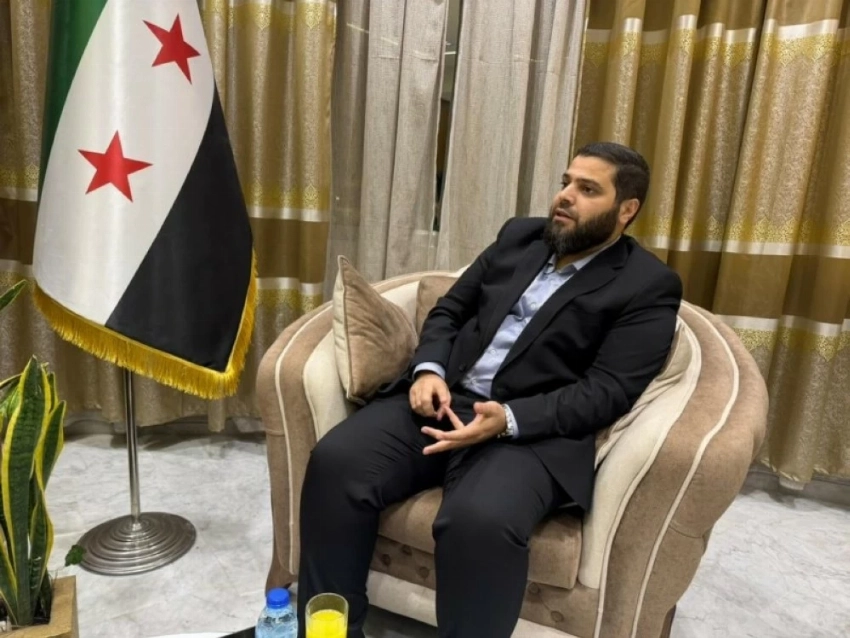
المحافظ عامر الشيخ.
أولويات المحافظة حالياً
• ما أولويات المحافظة في المرحلة الحالية؟
•• في المرحلة الأولى، ركزنا على معالجة الأمور الطارئة، وكانت الأولويات:
المياه والصرف الصحي، المدارس والمؤسسات التعليمية، المراكز الصحية، وإزالة الأنقاض الخطرة.
كانت هذه المرحلة صعبة للغاية، نظراً لتوزُّع الوحدات الإدارية وعددها الكبير، إذ تحتوي الغوطة الشرقية وحدها على 54 وحدة إدارية، والمنطقة المركزية على 156 وحدة إدارية.
لكل منطقة كان هناك معاون أهلي مع فريق عمل يتواصل مع المجتمع المحلي لتحديد الاحتياجات العاجلة وتقديم الحلول السريعة.
أولوياتنا في مرحلة الطوارئ شملت أيضاً حفظ المؤسسات العامة وتأمين المراكز الخدمية للمواطنين.
كانت هناك حاجة لتنسيق العمل بين البلديات، شركات تعبيد الطرق، معالجات الصرف الصحي، مراكز الكهرباء والاتصالات، لضمان تقديم خدمات متكاملة للمواطنين. وكذلك تم تعيين مجلس أعيان في كل بلدة يختارهم أهل المدينة والناس. وهنا انتهت مرحلة الطوارئ، وبدأنا بالدراسات الواضحة، وبعدها أصبحت لدينا إحصاءات للمدارس، والآبار التي تصل الماء لكل بيت أسبوعياً، وهذه الخدمات على مستوى كل المديريات.. الصحة الطرقات، والمسائل الأساسية للناس تمثل الأولوية بالنسبة لنا في المحافظة.
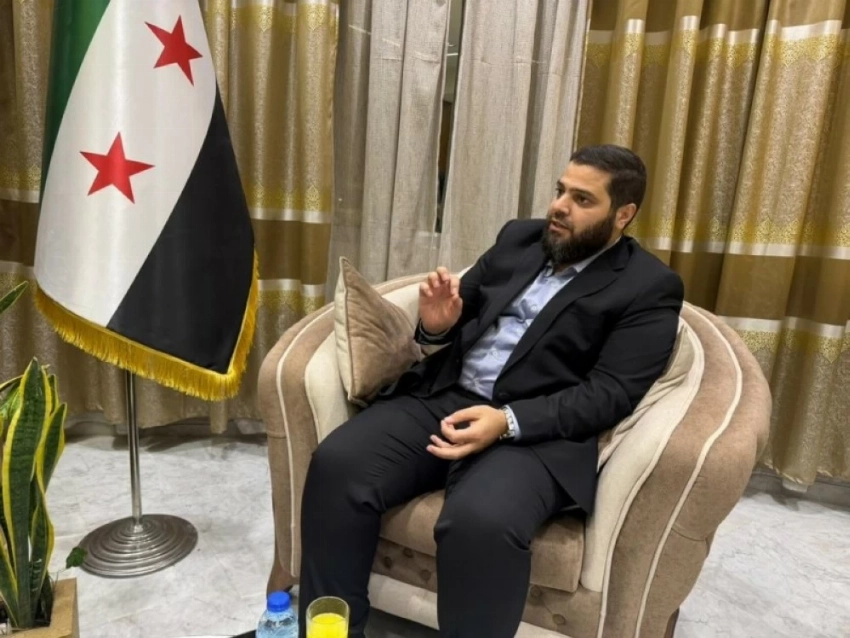
المحافظ عامر الشيخ.
الميزانية «صفر»
• عندما وصلت للمحافظة كم كانت الميزانية؟
•• في البداية، كانت ميزانية المحافظة محدودة جداً، حوالى 300 ألف دولار وهي ميزانية فقط على الأوراق، لكن على أرض الواقع لم تكن هناك سيولة فعلية، يعني «صفر». كانت كل المؤسسات لا تملك شيئاً ولا أدنى الأمور ولا خطة حتى. لذلك، اعتمدنا على التعاون مع المجتمع المحلي والمنظمات لتوفير الخدمات الأساسية، مع وضع خطة دقيقة لكل منطقة لضمان الاستفادة من الموارد المحدودة بأقصى قدر ممكن.
صيانة المدارس وتعبيد الطرق
• لكن أمام هذا الواقع ماذا قدمتم؟ وهو سؤال الناس.
•• نقوم بأعلى جهد وطاقة لتوفير الاحتياجات الأساسية، مثل صيانة 50 مدرسة، ترميم 47 مدرسة، العمل قائم على 55 مدرسة.عدد مدارس المحافظة 1553 وفي معظمها تحتاج إلى عمل. تم العمل على الكهرباء.. تحسين جودة الكهرباء. تعبيد الطرقات بنحو 40 ألف طن «زفت». أما قطاع الصحة فلدينا 14 مركزاً صحياً، منها 7 مراكز صحية، تم تركيب منظومات طاقة بها.
• ننتقل إلى حالة الاستثمار في المحافظة.. ما القطاعات التي يمكن الاستثمار بها؟ وما أولوية هذا الاستثمار؟
•• المحافظة غنية بمواردها، وتتميز أن بها كل الأنماط؛ الاستثمار الزراعي والصناعي والسياحي والتطوير العقاري.
الاستثمار السياحي؛ منطقة غرب دمشق (جبل الشيخ، بلودان، القلمون، يعفور) ستكون في هذه المناطق خريطة استثمارية.
وفي المحافظة هناك فرع الاستثمار يعمل على جمع المعلومات والبيانات لوضع خريطة استثمارية.
الاستثمار الصناعي؛ عدرا الصناعية (أكبر مدينة صناعية بسورية)..
صناعات ثقيلة، غذائية، دوائية، بمساحة 7 آلاف هكتار.
أصبح بها تراخيص كبيرة، ومنها للوفد الاستثماري السعودي.
الاستثمار الزراعي؛ الغوطة الشرقية..
وفكرة تطوير البادية السورية التي كان يهمشها النظام، فنحن نتحدث عن استثمارات في كل المجالات.
مدن من «الصفر»
• ماذا عن القطاع العقاري؟
•• مسألة التطوير العقاري ستكون في الأماكن المهدمة وإنشاء مدن من الصفر في غرب دمشق، وشمال دمشق، ستعرض للتطوير العقاري. سنتوجه للجمال لبقاء الغطاء الأخضر في الغوطة. وهناك مشاريع إعادة إحياء نهر بردى من خلال معالجة المياه، ومنها تأهيل وتأمين محطة عدرا ومحطة دمر وقدسيا التي تحتاج مبالغ كبيرة وستكون ضمن الخطة.
• هل تعولون على الاستثمارات السعودية خصوصاً في إعادة الإعمار؟
••هناك جلسات قائمة مع عدة جهات استثمارية وفي مقدمتها السعودية والصين وقطر. وفي بعض المناطق تم التوقيع مع صندوق الاستثمار السعودي. وقريباً سوف تنتقل المشاريع من مذكرات تفاهم، إلى كتابة عقود والبدء بها. لكن المشكلة في الأماكن المهدمة، ونحن نسعى للتفاهم مع الناس واعطائهم حقوقهم.
ونحن نتكلم عن مسألتين؛ الاستثمار والمشاريع كمنح، التي قام عليها مركز الملك سلمان للإغاثة بإنشاء مركز صحي في قدسيا.
دور كبير لمركز الملك سلمان
• ماذا تقول عن العام 2026؟
••سيكون عام التنمية، عام الانطلاق، وستكون به أهم العقود على كل القطاعات وأهمها إعادة الإعمار والخدمات.
وقد قام مركز الملك سلمان للإغاثة بالكثير من الأعمال في المحافظة وهي جهود مشكورة ومقدرة وليس بغريب على المملكة العربية السعودية وخادم الحرمين الشريفين وولي عهده الأمير محمد بن سلمان ذلك، وساهمت جهود مركز الملك سلمان في دوما بإزالة الأنقاض والعمل في منطقة الحجر الأسود كما قامت بصيانة وإنشاء العديد من المخابز في منطقة الزبداني وغيرها من الأعمال الأخرى.
• هل التقيت مستثمرين سعوديين؟
••نعم كانت لي لقاءات مع عدة جهات استثمارية سعودية وغيرها، وننتظر رفع العقوبات، للانطلاق خلال العام القادم في التنمية والنهوض.. ونعول على أشقائنا في المملكة العربية السعودية في المرحلة القادمة التي ستكون مرحلة البناء والتنمية في سورية الجديدة.
زاوية عن ريف دمشق
لم تكن محافظة ريف دمشق منفصلة إدارياً عن محافظة دمشق، وفي العام 1972، ثم تم إنشاء محافظة ريف دمشق ككيان مستقل.
ريف دمشق ذات امتداد واسع وإستراتيجي، فهي شمالاً على حدود محافظة حمص الإدارية، وجنوباً مع السويداء ودرعا القنيطرة، وغرباً مع لبنان، وشرقاً تصل إلى الأردن والعراق، بمساحة إجمالية تبلغ حوالى 18,400 كيلومتر مربع. وأخيراً تمت إضافة منطقة التنف بمساحة 26 كيلومتراً مربعاً إلى المحافظة.
وريف دمشق محافظة كبيرة ومترامية الأطراف، موزعة إدارياً على تسع مناطق. في باقي المحافظات يوجد ما يسمى بـ«المركز»، لكن في ريف دمشق لا يوجد أي مركز.
I do not know of any governorate in Syria that has suffered destruction like Rural Damascus, the largest human reservoir in the country, nor do I know of any governor who experiences work pressure like that of the governor of Rural Damascus, Amer Al-Sheikh, who manages a governorate that spans about 20,000 square kilometers.
During the conversation with Al-Sheikh in his modest office, the ringing of his "private phone" did not cease until one of his aides intervened to answer the calls. This was an indication of the workload, as the governor spends most of his time outside the office, with hours exceeding 18 hours daily, not to mention the consecutive meetings in his office. However, what is remarkable is that Amer Al-Sheikh still believes that "the coming year is the year of development."
I asked the governor: What was the remaining budget in the governorate's treasury? The answer was that we arrived at a governorate with no budget except on paper, as we received a "zero budget"... Nevertheless, we started working and managed to meet some of the people's needs in schools and water services as much as possible. "Okaz" had an extensive interview with the bearer of the heavy burden in Syria, Amer Al-Sheikh... and here are the details:
The Reality of Services and the Extent of Destruction
• What is the current state of services in Rural Damascus? And what about the extent of destruction in this governorate?
•• After years of revolution, the area has suffered partial or total destruction ranging between 40% and 50%. The governorate is large and sprawling, and the extent of destruction exceeds imagination, as there are 156 administrative units in Rural Damascus, including 54 in Eastern Ghouta, which has also suffered significant destruction.
There are areas that have experienced very severe destruction, such as Darayya, Zabadani, Al-Hajar Al-Aswad, Kafr Batna, and Jaramana, where some neighborhoods were completely destroyed, like Al-Hajar Al-Aswad, which had a population of about 400,000, and today it has about 18,000 residents only.
محافظة ريف دمشق التي دمرها نظام الأسد على مدى نحو 15 عاماً.
• And what about schools?
•• The fallen Assad regime wiped everything off the face of the earth, including schools, not to mention residential buildings, such as the Al-Ajamiyah neighborhood and the Darayya Bay area, which have become almost empty of residents after the regime leveled 1,500 dunams, all of which were houses.
Removing Waste and Rubble
• Can you specify the percentage of destruction in Rural Damascus?
•• We are working on assessing the percentages despite the difficulty of the matter, but in Darayya, the destruction rate is 60%, and the same goes for Zabadani... In light of this scene, how can a governorate act? Removing debris from the destruction takes a long time, and removing rubble is a project separate from reconstruction.
• What about the demographic distribution as a result of migration, displacement, and destruction? Does this affect Rural Damascus?
•• During the revolution, residents of the destroyed areas moved to safe areas, increasing the population in one area at the expense of another. The administrative block "disintegrated" like Ashrafiyat Sahnaaya, where the population was 50,000, and today it is about 800,000. In Tal, the number was between 100,000 and 150,000, and today it ranges between 300,000 and 400,000.
There is a significant shift in the areas (Rural Damascus), which certainly reflects on services and the governorate's work in securing needs.
المحافظ عامر الشيخ.
Current Priorities of the Governorate
• What are the priorities of the governorate at this stage?
•• In the first phase, we focused on addressing urgent matters, and the priorities were:
Water and sewage, schools and educational institutions, health centers, and the removal of hazardous rubble.
This phase was extremely difficult due to the distribution of administrative units and their large number, as Eastern Ghouta alone contains 54 administrative units, and the central area has 156 administrative units.
In each area, there was a local assistant with a team working to communicate with the local community to identify urgent needs and provide quick solutions.
Our priorities in the emergency phase also included preserving public institutions and securing service centers for citizens.
There was a need to coordinate work between municipalities, road paving companies, sewage treatments, electricity and communication centers, to ensure comprehensive services for citizens. A council of elders was also appointed in each town, chosen by the townspeople. Here, the emergency phase ended, and we began clear studies, after which we had statistics for schools and wells that provide water to every house weekly, and these services are at the level of all directorates... health, roads, and the basic issues for people represent our priority in the governorate.
المحافظ عامر الشيخ.
Zero Budget
• When you arrived at the governorate, what was the budget?
•• Initially, the governorate's budget was very limited, about $300,000, which was just on paper, but in reality, there was no actual liquidity, meaning "zero." All institutions had nothing, not even the most basic things or a plan. Therefore, we relied on cooperation with the local community and organizations to provide basic services, with a precise plan for each area to ensure maximum benefit from the limited resources.
School Maintenance and Road Paving
• But in light of this reality, what have you provided? This is the question of the people.
•• We are making every effort to provide basic needs, such as maintaining 50 schools, renovating 47 schools, and working on 55 schools. The number of schools in the governorate is 1,553, and most of them need work. Work has been done on electricity... improving electricity quality. Paving roads with about 40,000 tons of "asphalt." As for the health sector, we have 14 health centers, of which 7 health centers have had energy systems installed.
• Moving on to the state of investment in the governorate... what sectors can be invested in? And what is the priority of this investment?
•• The governorate is rich in its resources and is characterized by having all types; agricultural, industrial, tourism, and real estate investment.
Tourism investment; the area west of Damascus (Mount Sheikh, Bludan, Qalamoun, Yafour) will have an investment map in these areas.
In the governorate, there is an investment branch working to gather information and data to create an investment map.
Industrial investment; Adra Industrial (the largest industrial city in Syria)...
Heavy, food, and pharmaceutical industries, covering an area of 7,000 hectares.
It has received significant licenses, including for the Saudi investment delegation.
Agricultural investment; Eastern Ghouta...
And the idea of developing the Syrian Badia, which the regime marginalized, as we are talking about investments in all fields.
Building Cities from "Zero"
• What about the real estate sector?
•• The issue of real estate development will be in the destroyed areas and the establishment of cities from scratch in western Damascus and northern Damascus, which will be offered for real estate development. We will aim for beauty to maintain the green cover in Ghouta. There are projects to revive the Barada River through water treatment, including rehabilitating and securing the Adra and Dummar and Qudsiyah stations, which require large amounts and will be part of the plan.
• Do you rely on Saudi investments, especially in reconstruction?
•• There are ongoing sessions with several investment entities, primarily Saudi Arabia, China, and Qatar. In some areas, agreements have been signed with the Saudi Investment Fund. Soon, projects will move from memorandums of understanding to writing contracts and starting them. But the problem lies in the destroyed areas, and we strive to reach agreements with the people and give them their rights.
We are talking about two issues; investment and projects as grants, which the King Salman Relief Center has undertaken to establish a health center in Qudsiyah.
A Significant Role for the King Salman Center
• What do you say about the year 2026?
•• It will be the year of development, the year of launch, and it will have the most important contracts in all sectors, especially reconstruction and services.
The King Salman Relief Center has done a lot of work in the governorate, and these efforts are appreciated and recognized, and it is not strange for the Kingdom of Saudi Arabia and the Custodian of the Two Holy Mosques and Crown Prince Mohammed bin Salman. The efforts of the King Salman Center in Douma contributed to removing rubble and working in the Al-Hajar Al-Aswad area, as well as maintaining and establishing many bakeries in the Zabadani area and other works.
• Have you met with Saudi investors?
•• Yes, I have had meetings with several Saudi and other investment entities, and we are waiting for the lifting of sanctions to launch in the coming year in development and advancement... and we rely on our brothers in the Kingdom of Saudi Arabia in the upcoming phase, which will be a phase of construction and development in the new Syria.
A Corner about Rural Damascus
Rural Damascus was not administratively separate from Damascus Governorate, and in 1972, Rural Damascus Governorate was established as an independent entity.
Rural Damascus has a wide and strategic expanse; to the north, it borders the administrative governorate of Homs, to the south with Sweida and Daraa Quneitra, to the west with Lebanon, and to the east reaching Jordan and Iraq, with a total area of about 18,400 square kilometers. Recently, the Tanf area, covering 26 square kilometers, was added to the governorate.
Rural Damascus is a large and sprawling governorate, administratively divided into nine regions. In other governorates, there is what is called the "center," but in Rural Damascus, there is no center.