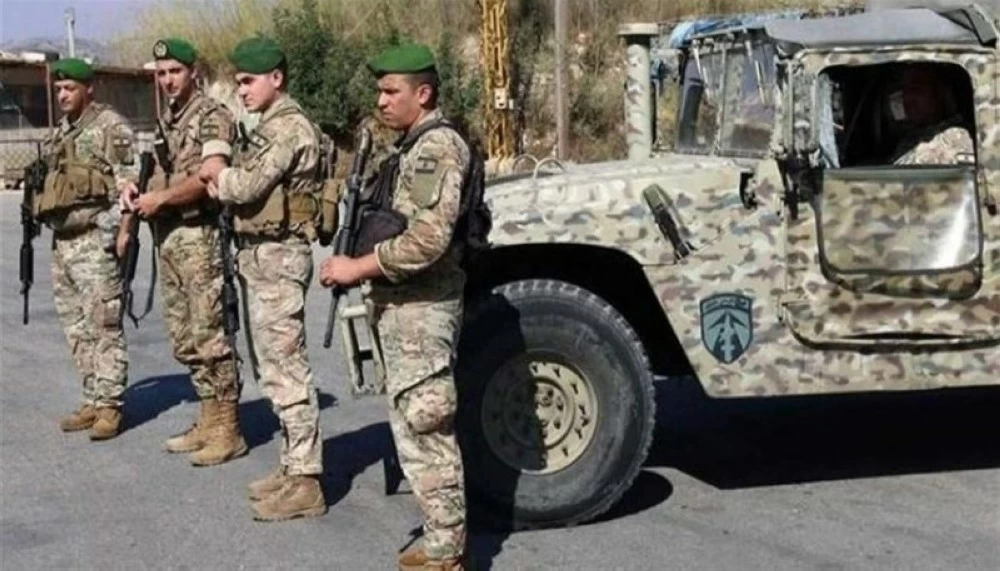
عزا المبعوث الرئاسي الأمريكي الخاص إلى سورية توم براك، صعوبة نزع سلاح «حزب الله» إلى نقص التمويل وانخفاض رواتب أفراد الجيش اللبناني.
الافتقار إلى الموارد
وأعرب براك لصحيفة «نيويورك تايمز» عن شكوكه في قدرة الجيش اللبناني على تحقيق هدفه المعلن المتمثل في نزع سلاح «حزب الله» بنهاية هذا العام، إلا أنه أكد أن لا بدائل لهذا المسار من حيث استقرار الوضع في لبنان نفسه وعلى حدوده مع إسرائيل.
ونقلت الصحيفة عن وزير المالية اللبناني ياسين جابر، قوله: إنه قد لا يكون من الممكن إتمام عملية نزع السلاح بنهاية هذا العام، داعياً إلى عدم انتظار معجزات من الجيش الذي يفتقر إلى الموارد، وأن تصرفات الجيش الإسرائيلي تُقوّض جهود الجيش اللبناني.
وفي 20 أكتوبر الماضي، طالب براك الحكومة اللبنانية بالإسراع في نزع سلاح «حزب الله». وحذّر من أن «تقاعس السلطات اللبنانية قد يدفع إسرائيل إلى اتخاذ إجراءات أحادية الجانب، ما قد ينذر بمواجهة جديدة».
تنفيذ خطة نزع السلاح
وأعلن رئيس الوزراء اللبناني نواف سلام، في وقت سابق أن على الجيش اللبناني، بناءً على توجيهات الحكومة، تنفيذ خطة لنزع سلاح جميع الجماعات شبه العسكرية، بما فيها «حزب الله»، بحلول نهاية هذا العام.
وكان المتحدث باسم الجيش الإسرائيلي نداف شوشاني، قال إن «حزب الله» لم ينزع سلاحه أو يفكك بنيته العسكرية منذ اتفاق وقف إطلاق النار في لبنان قبل عام.
وكتب شوشاني على منصة «إكس»: «قبل عام واحد بالضبط، دخل اتفاق وقف إطلاق النار بين إسرائيل ولبنان حيز التنفيذ، بموجب هذا الاتفاق، كان يجب على حزب الله أن ينزع سلاحه بالكامل ويفكك بنيته العسكرية، لكنه لم يحقق في أي منهما».
وقال «بدلاً من ذلك، أمضى حزب الله عاماً في إعادة بناء وتسليح نفسه». وأضاف «طالما أن حزب الله يشكل تهديداً لإسرائيل، سنواصل بذل كل ما يلزم للدفاع عن أنفسنا».
وساطة أمريكية فرنسية
وتوسطت الولايات المتحدة وفرنسا في 27 نوفمبر 2024، لإبرام اتفاق وقف إطلاق النار في لبنان، وذلك بعد 66 يوماً من الأعمال القتالية بين إسرائيل و«حزب الله».
ونص الاتفاق على نشر الجيش اللبناني على طول الحدود الجنوبية بدعم من قوات حفظ السلام التابعة للأمم المتحدة، وانسحاب قوات «حزب الله» إلى ما وراء نهر الليطاني في عمق الأراضي اللبنانية
The U.S. Special Presidential Envoy for Syria, Tom Brack, attributed the difficulty of disarming "Hezbollah" to a lack of funding and the low salaries of Lebanese army personnel.
Lack of Resources
Brack expressed his doubts to the "New York Times" about the Lebanese army's ability to achieve its stated goal of disarming "Hezbollah" by the end of this year, but he confirmed that there are no alternatives to this path in terms of stabilizing the situation in Lebanon itself and along its borders with Israel.
The newspaper quoted Lebanese Finance Minister Yassin Jaber as saying that it may not be possible to complete the disarmament process by the end of this year, calling for not to expect miracles from an army that lacks resources, and that the actions of the Israeli army undermine the efforts of the Lebanese army.
On October 20, Brack urged the Lebanese government to expedite the disarmament of "Hezbollah." He warned that "the Lebanese authorities' inaction could push Israel to take unilateral actions, which could herald a new confrontation."
Implementation of the Disarmament Plan
Lebanese Prime Minister Nawaf Salam announced earlier that the Lebanese army, based on government directives, must implement a plan to disarm all militia groups, including "Hezbollah," by the end of this year.
The spokesperson for the Israeli army, Nadav Shoshani, stated that "Hezbollah" has not disarmed or dismantled its military structure since the ceasefire agreement in Lebanon a year ago.
Shoshani wrote on the "X" platform: "Exactly one year ago, the ceasefire agreement between Israel and Lebanon came into effect. Under this agreement, Hezbollah was supposed to fully disarm and dismantle its military structure, but it has achieved neither."
He added, "Instead, Hezbollah has spent a year rebuilding and rearming itself." He stated, "As long as Hezbollah poses a threat to Israel, we will continue to do whatever is necessary to defend ourselves."
U.S.-French Mediation
The United States and France mediated on November 27, 2024, to reach a ceasefire agreement in Lebanon, following 66 days of hostilities between Israel and "Hezbollah."
The agreement stipulated the deployment of the Lebanese army along the southern border with the support of United Nations peacekeeping forces, and the withdrawal of "Hezbollah" forces beyond the Litani River into the depths of Lebanese territory.