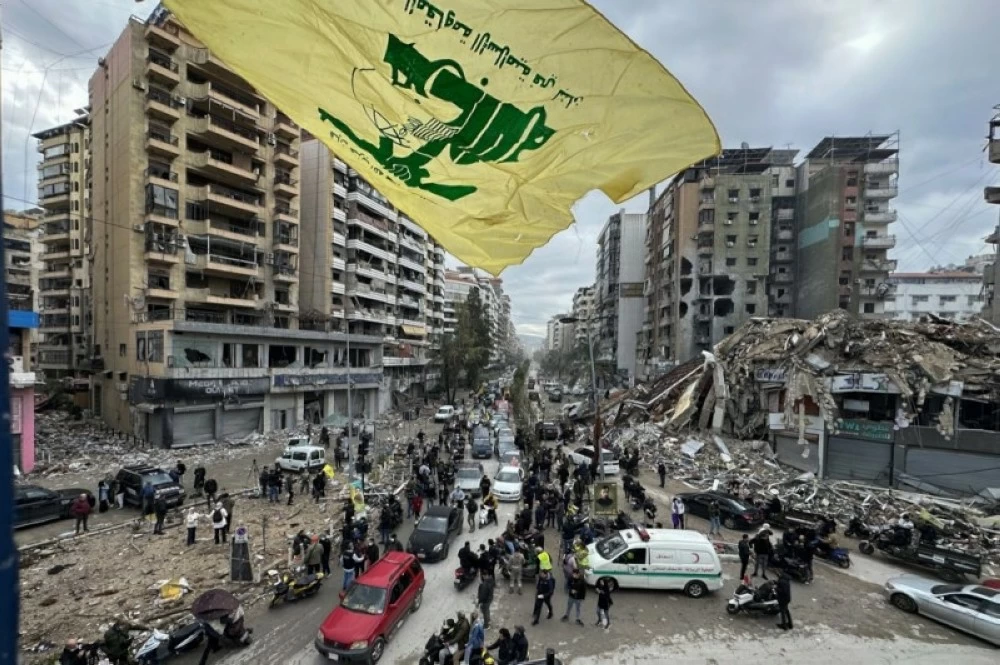
لم يعد السؤال: هل تندلع الحرب الثانية بين إسرائيل وحزب الله، بل متى؟ فالمهلة الأمريكية لنزع سلاح الحزب شارفت على نهايتها، والتصعيد السياسي والعسكري في الساعات الماضية يوحي بأن لبنان يسير بخطى ثابتة نحو لحظة انفجار كبيرة مع نهاية العام 2025.
نافذة الدبلوماسية تضيق
هذا المشهد بات أكثر وضوحاً بعد الموقف المباشر الذي أطلقه وزير الحرب الإسرائيلي يسرائيل كاتس، حين قال من على منبر الكنيست إن إسرائيل «ستعمل بقوة مرة أخرى» في لبنان إذا لم يتخل الحزب عن سلاحه قبل انتهاء المهلة. هذا التهديد ليس مجرد ضغط تفاوضي، بل إعلان عملي بأن نافذة الدبلوماسية تضيق يوماً بعد يوم، وأن الأشهر القليلة القادمة ستكون أخطر ما يواجهه لبنان منذ انتهاء الحرب الأولى.
كاتس لم يكتفِ بالتلويح بالقوة العسكرية، بل ربط التهديد بإعادة النظر في اتفاق الحدود البحرية، وهو ملف تعتبره تل أبيب من نقاط الضغط القادرة على تطويق لبنان سياسياً واقتصادياً. الأهم في رسالته أن الولايات المتحدة، التي أمسكت بخيوط التهدئة منذ حرب الصيف الماضي، وضعت مهلة واضحة لنزع السلاح. هذه المهلة قد تنتهي من دون حدوث أي تغيير في الواقع الميداني، ما يجعل إسرائيل تعتبر نفسها محررة من قيود الضبط الأمريكي الذي منع حتى الآن انفجار الجبهة.
الصمت وشراء الوقت
في المقابل، لا يظهر حزب الله أي استعداد لتقديم تنازل من هذا النوع. فالحزب يرفض التعامل مع فكرة نزع السلاح كخيار مطروح للنقاش، ويتمسك بعقيدته العسكرية باعتبار أن السلاح جزء من معادلة الردع. وفي الوقت الذي يستعيد فيه الحزب تنظيم قدراته الدفاعية بعد الضربة التي تعرض لها أحد قادته العسكريين هيثم الطبطبائي، يدرك أن أي خطوة انفعالية في اتجاه المواجهة ستمنح إسرائيل الذريعة المثالية لتوسيع العدوان. لذلك، يذهب الحزب نحو خيار يبدو الأكثر انسجاماً مع حساباته: الصمت، ترميم ما يلزم، وشراء الوقت.
هذه المقاربة ليست جديدة، لكنها في الظروف الحالية مكلفة وخطرة. فشراء الوقت لا يلغي الاحتمال الأساسي، بل يرحله إلى موعد أقرب كلما اقتربت نهاية المهلة. ولبنان، العالق بين ضغط المهل الدولية وتهديد القوة، لا يمتلك هامشاً فعلياً للمناورة. السلطة مكبلة تسير ببطء نحو تنفيذ مطلب نزع السلاح. والبلد بأكمله يجد نفسه أسير معادلة يقودها طرفان فقط: إسرائيل من جهة، والحزب من جهة أخرى، فيما الدولة تبدو على المحك.
مواجهة أوسع وأشد
ما يزيد الوضع تعقيداً أن إسرائيل تعتقد أن فرصة استكمال ما لم يتحقق في الحرب الأولى تقترب. من وجهة نظرها، الحزب خرج مثخناً، ويفترض أن الضربة القادمة ستكون أكثر حسماّ. التصريحات الصادرة عن شخصيات أمنية وعسكرية في تل أبيب تتقاطع عند فكرة أن المواجهة القادمة ستكون أوسع وأشد كثافة، وتهدف إلى تغيير قواعد اللعبة بشكل جذري. هذا التفكير يجعل الحرب الثانية، في حال وقعت، عملية عسكرية لا تشبه الجولات السابقة، وتستهدف قلب البنية العسكرية للحزب في العمق.
في ظل هذه المعادلة، يواجه حزب الله تحديين متوازيين. الأول أمني يتمثل في مراجعة الخرق الذي أدى إلى اغتيال الطبطبائي، والثاني سياسي عسكري يتعلق بكيفية الرد. فالحزب يدرك أن الرد القاسي سيقوده مباشرة إلى مواجهة شاملة في توقيت تختاره إسرائيل، بينما الرد المحدود قد يبدو ضعيفاً. لذلك، تميل حساباته إلى خيار ثالث: الهدوء المدروس، والاستمرار في رفع مستوى الجهوزية استعداداً لاحتمال الحرب، لأنها بالنسبة إليه «حرب بقاء» لا معركة ظرفية.
اليوم يقف لبنان على حافة المجهول. وفيما تتراجع فرص التسوية، يبقى السيناريو الأكثر واقعية أن لبنان يدخل مرحلة ما قبل الحرب، إذ يكفي خطأ واحد أو ضربة واحدة او اغتيال جديد ليشتعل كل شيء. المسألة لم تعد سياسية ولا تفاوضية. المسألة صارت مسألة وقت.
The question is no longer: Will the second war erupt between Israel and Hezbollah, but rather when? The American deadline for disarming the party is nearing its end, and the political and military escalation in recent hours suggests that Lebanon is steadily moving towards a major explosion moment by the end of 2025.
The Diplomatic Window is Closing
This scene has become clearer following the direct stance taken by Israeli Defense Minister Israel Katz, who stated from the Knesset podium that Israel "will act forcefully again" in Lebanon if the party does not abandon its weapons before the deadline expires. This threat is not merely a negotiating pressure tactic, but a practical declaration that the diplomatic window is closing day by day, and that the coming months will be the most dangerous Lebanon has faced since the end of the first war.
Katz did not stop at merely hinting at military force; he linked the threat to reconsidering the maritime border agreement, a file that Tel Aviv considers one of the pressure points capable of politically and economically encircling Lebanon. The most important aspect of his message is that the United States, which has held the strings of calm since last summer's war, has set a clear deadline for disarmament. This deadline may end without any change in the field reality, which would lead Israel to consider itself freed from the constraints of American control that have so far prevented the front from exploding.
Silence and Buying Time
On the other hand, Hezbollah shows no readiness to make such a concession. The party refuses to treat the idea of disarmament as an option for discussion, insisting on its military doctrine that considers weapons a part of the deterrence equation. While the party is restoring its defensive capabilities after the strike that targeted one of its military leaders, Haitham al-Tabtabai, it understands that any impulsive step towards confrontation will give Israel the perfect pretext to expand its aggression. Therefore, the party is leaning towards an option that seems most consistent with its calculations: silence, repairing what is necessary, and buying time.
This approach is not new, but under the current circumstances, it is costly and dangerous. Buying time does not eliminate the fundamental possibility; rather, it postpones it to a closer date as the deadline approaches. Lebanon, caught between the pressure of international deadlines and the threat of force, has no real margin for maneuvering. The authority is shackled, slowly moving towards implementing the demand for disarmament. The entire country finds itself a prisoner of an equation led by only two parties: Israel on one side, and the party on the other, while the state appears to be at stake.
A Wider and More Intense Confrontation
What complicates the situation further is that Israel believes the opportunity to complete what was not achieved in the first war is approaching. From its perspective, the party emerged severely wounded, and the next strike is expected to be more decisive. Statements from security and military figures in Tel Aviv converge on the idea that the upcoming confrontation will be broader and more intense, aiming to fundamentally change the rules of the game. This thinking makes the second war, if it occurs, a military operation unlike previous rounds, targeting the heart of the party's military structure deeply.
In light of this equation, Hezbollah faces two parallel challenges. The first is security, represented by reviewing the breach that led to the assassination of al-Tabtabai, and the second is a political-military challenge regarding how to respond. The party understands that a harsh response will lead it directly to a comprehensive confrontation at a time of Israel's choosing, while a limited response may seem weak. Therefore, its calculations lean towards a third option: calculated calm, and continuing to raise the level of readiness in preparation for the possibility of war, as it is for them a "war of survival," not a circumstantial battle.
Today, Lebanon stands on the edge of the unknown. As the chances of a settlement diminish, the most realistic scenario remains that Lebanon enters a pre-war phase, as a single mistake, one strike, or a new assassination could ignite everything. The issue is no longer political or negotiable. It has become a matter of time.