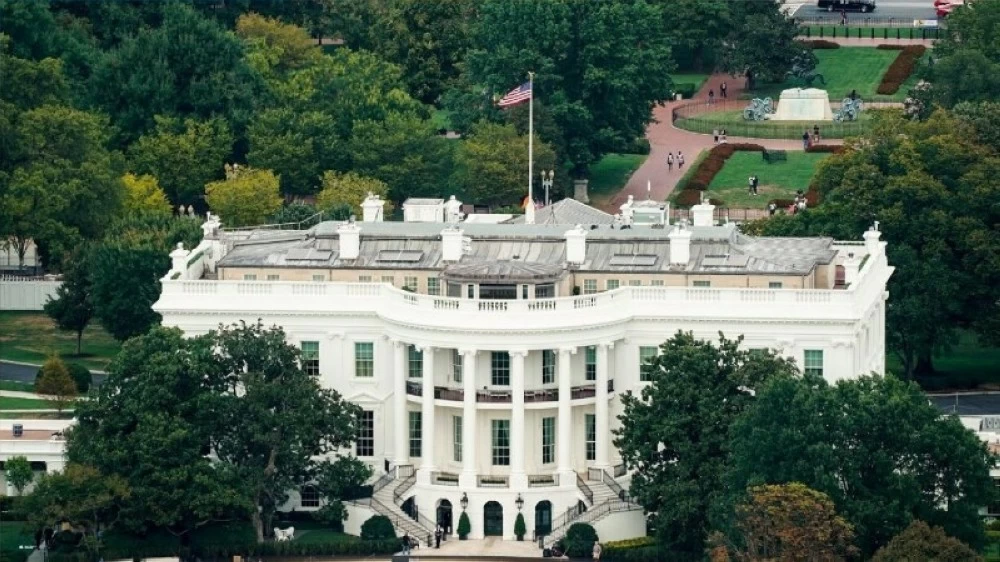
أكد البيت الأبيض، اليوم (الإثنين)، أن الرئيس الأمريكي دونالد ترمب تعهد بتصنيف «الإخوان المسلمين» منظمة إرهابية أجنبية، بعد يوم من تأكيد ترمب عزمه تصنيف «الإخوان» منظمة إرهابية.
وأكد ترمب أن القرار سيصدر بأقوى الشروط، وبصيغة مشددة وملزمة، موضحاً أن الوثائق النهائية قيد الإعداد حالياً.
ضغوط في الكونغرس
ويضغط أعضاء في الحزب الجمهوري داخل الكونغرس لدفع الإدارة الأمريكية نحو خطوات مباشرة ضد التنظيم الذي يُنظر إليه في الأوساط المحافظة كعامل يزعزع الاستقرار الإقليمي ويسهم في نشر التطرف.
وذكر تقرير أن التصنيف سيمنع تدفق الأموال الأمريكية إلى أي نشاط مرتبط بالتنظيم، كما سيحظر دخول أعضائه إلى الولايات المتحدة، ويركز على مواجهة أي تهديدات ترتبط بالعنف أو الترهيب.
يذكر أن تصنيف التنظيم كان مطروحاً في إدارة ترمب الأولى عام 2019 خصوصاً في ظل تقارير لمنظمات ومراكز بحوث ودراسات أن جماعة الإخوان يشكلون بوابة أيديولوجية للتطرف، عبر طرح أفكار تستخدم لتبرير العنف أو تطبيع خطاب المواجهة.
ويرى خبراء أن أهمية القرار الأمريكي في حال اعتماده رسمياً ستتجاوز البعد القانوني، لتمتد إلى إعادة تشكيل البيئة الإقليمية التي تعمل فيها التنظيم الإرهابي منذ عقود، وبحسب مراقبين فإن القرار سيمنح واشنطن وحلفاءها أدوات أكثر فاعلية للتعامل مع التنظيمات المرتبطة بفكر الإخوان أو المنبثقة عنها.
أهمية التصنيف الأمريكي لـ«الإخوان»
ويرى متخصصون في شؤون الأمن القومي أن التصنيف سيؤدي إلى تجفيف جزء مهم من مصادر التمويل المرتبطة بالجماعة، عبر تجميد الأصول ومنع التحويلات، إضافة إلى ملاحقة الجهات التي يثبت دعمها مالياً أو لوجستياً لها، ما يحدّ من قدرتها على النشاط الإعلامي والسياسي داخل الولايات المتحدة وخارجها.
ويتوقع مراقبون أن يشكّل القرار مرجعاً دولياً قد يدفع دولاً غربية أخرى إلى اتخاذ خطوات مشابهة، مستشهدين بتجارب سابقة مثل اعتماد العديد من الدول قرارات أمريكية سابقة تخص تنظيمات أخرى. وأشار المراقبون إلى أن القرار سيضع فروع الجماعة في المنطقة أمام ضغوط سياسية وقانونية متزايدة، خصوصاً في الدول التي تستضيف قياداتها أو تتيح لها هامشاً من العمل العام.
ولم تصدر وزارة الخارجية الأمريكية حتى الآن بياناً نهائياً بشأن آليات أو موعد التصنيف، بينما تواصل شخصيات وخبراء في واشنطن مناقشة مدى اتساع القرار المرتقب ونطاق تأثيره الدولي.
The White House confirmed today (Monday) that U.S. President Donald Trump has pledged to classify the "Muslim Brotherhood" as a foreign terrorist organization, a day after Trump affirmed his intention to designate the "Brotherhood" as a terrorist organization.
Trump stated that the decision will be issued under the strongest terms, in a strict and binding format, explaining that the final documents are currently being prepared.
Pressure in Congress
Members of the Republican Party in Congress are pressuring the U.S. administration to take direct steps against the organization, which is viewed in conservative circles as a destabilizing factor in the region and a contributor to the spread of extremism.
A report mentioned that the classification will prevent the flow of U.S. funds to any activities related to the organization, as well as prohibit its members from entering the United States, focusing on countering any threats related to violence or intimidation.
It is worth noting that the classification of the organization was proposed during Trump's first administration in 2019, especially in light of reports from organizations and research centers indicating that the Muslim Brotherhood serves as an ideological gateway to extremism, through the promotion of ideas used to justify violence or normalize confrontational rhetoric.
Experts believe that the significance of the U.S. decision, if officially adopted, will extend beyond the legal dimension to reshape the regional environment in which the terrorist organization has operated for decades. According to observers, the decision will provide Washington and its allies with more effective tools to deal with organizations linked to the Brotherhood's ideology or emerging from it.
The Importance of the U.S. Classification of the "Brotherhood"
National security specialists believe that the classification will lead to drying up a significant portion of the funding sources associated with the group, through asset freezes and the prevention of transfers, in addition to pursuing entities proven to provide financial or logistical support to it, which limits its ability to engage in media and political activities both within and outside the United States.
Observers expect that the decision will serve as an international reference that may prompt other Western countries to take similar steps, citing previous experiences where many countries adopted prior U.S. decisions concerning other organizations. The observers pointed out that the decision will place the group's branches in the region under increasing political and legal pressure, especially in countries that host its leaders or allow them a margin of public activity.
The U.S. State Department has not yet issued a final statement regarding the mechanisms or timing of the classification, while figures and experts in Washington continue to discuss the extent of the anticipated decision and its international impact.