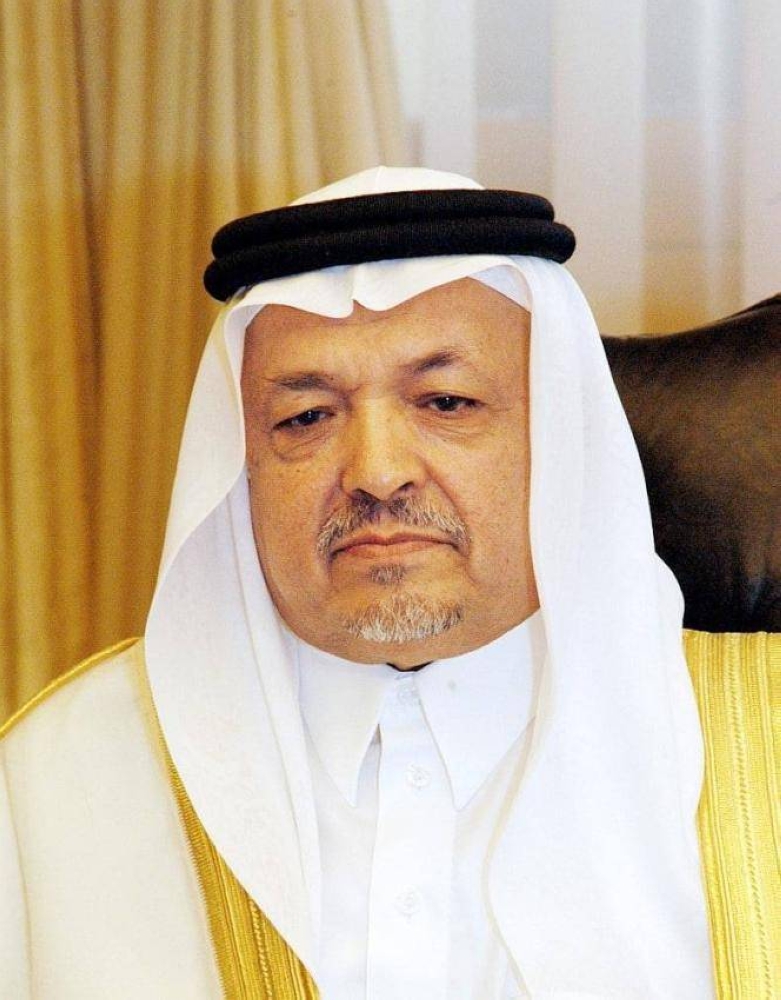
في عام 1360هـ وفي قرية العبالة الواقعة في قلب وادي العلي بمنطقة الباحة، ولد سعيد بن عطية أبو عالي الغامدي يتيماً، لكنه لم يكن وحيد الأمل. تولّت والدته تربيته بحزم وحنان، وفي كنفها تشكل وعيه الأول بالقيمة العليا للعلم، فكان للتعليم في حياته نبض سابق لوقته، ورسالة حملها من السبورة إلى أروقة المؤسسات الأكاديمية.
كان الشيخ الراحل سعد المليص (رحمه الله) أحد أبرز من لمسوا مبكراً في سعيد شعلة الذكاء والطموح، فدعمه معنوياً وشجعه على مواصلة دربه العلمي في لحظة كانت فارقة بين البقاء في حدود القرية والانطلاق إلى آفاق العالم.
التحق سعيد أبو عالي بكلية التربية بمكة المكرمة متخصصاً في اللغة الإنجليزية، ثم واصل مسيرته الأكاديمية في أمريكا، فنال الماجستير من جامعة وسكونسن، والدكتوراه في التربية من جامعة شمالي كولورادو عام 1975، ليمنح لاحقاً ميدالية طالب الشرف الأجنبي كأبرز خريج دولي في عقد كامل.
في مسيرته المهنية تنقل بين التعليم الأساسي والتعليم العالي، مديراً وأستاذاً ووكيلاً، ثم مدير عام للتعليم بالمنطقة الشرقية لمدة 18 عاماً، كان المؤسس والعميد الأول لكلية الباحة الأهلية للعلوم، وعضواً مؤثراً في مجالس علمية وثقافية محلية وخليجية، ورئيس تحرير لعدد من المجلات منها «الشرق، دارين، المنتدى»، كما رأس لجنة جائزة الأمير محمد بن فهد للتفوق العلمي منذ 1405هـ.
وعلى امتداد أكثر من نصف قرن ظل أبو عالي حاضراً في الندوات والمؤتمرات، ومشرفاً على الرسائل العلمية، ومحاوراً في قضايا التعليم والتربية والفكر.
أما إنتاجه الأدبي والفكري، فحافل، ومن أبرز مؤلفاته «الإسلام والغرب حوار لا صراع، رؤية جديدة لمسيرة التعليم بالمملكة، التطوير الذاتي لأعضاء هيئات التدريس مشترك، سوانح وأفكار، هروب إلى النجاح، قالوا عن الرسالة والرسول، أم المؤمنين خديجة بنت خويلد، مسرحية للأطفال مخطوطة، محاضرات متفرقة مخطوطة».
إن سعيد أبو عالي ليس مجرد اسم في الذاكرة التربوية، بل شاهد على تطور التعليم، ومثقف بنى جسور الحوار، ورجل دولة أخلص للفكر كما أخلص للموقف، هو سيرة تتقاطع فيها القيم والمعرفة والانتماء، وسطور كتبتها التجربة بالحبر والوجدان.
وعلى امتداد تجربته، لم يكن الدكتور سعيد أبو عالي مجرد مسؤول أو أكاديمي، بل كان ولا يزال صوتاً ثقافياً حاضراً في المشهد الأدبي، فقد شغل منصب نائب رئيس النادي الأدبي في الباحة، وترأس تحرير مجلات ثقافية مرموقة كـ «دارين، والشرق، والمنتدى»، كما عرف بمقالاته المنتظمة في الصحف السعودية التي حملت رؤاه في قضايا التعليم والحوار والهوية، مجسداً بذلك دور المثقف الشاهد الذي لا ينعزل عن قضايا مجتمعه، بل يكتب لها وبها.
In the year 1360 AH, in the village of Al-Abalah located in the heart of Wadi Al-Ali in the Al-Baha region, Saeed bin Atiyah Abu Ali Al-Ghamdi was born an orphan, but he was not alone in hope. His mother raised him with firmness and affection, and under her care, his initial awareness of the supreme value of knowledge was formed. Education had a pulse in his life that preceded his time, and it was a message he carried from the blackboard to the halls of academic institutions.
The late Sheikh Saad Al-Malees (may God have mercy on him) was one of the first to notice the spark of intelligence and ambition in Saeed early on, supporting him morally and encouraging him to continue his academic journey at a moment that was pivotal between remaining within the confines of the village and launching into the horizons of the world.
Saeed Abu Ali joined the College of Education in Mecca, specializing in the English language, and then continued his academic journey in America, earning a master's degree from the University of Wisconsin and a Ph.D. in education from the University of Northern Colorado in 1975, later being awarded the Foreign Honor Student Medal as the most distinguished international graduate in a decade.
In his professional career, he moved between basic education and higher education, serving as a director, professor, and deputy, then as the General Director of Education in the Eastern Province for 18 years. He was the founder and first dean of Al-Baha Private College for Sciences, an influential member of local and Gulf scientific and cultural councils, and editor-in-chief of several magazines including "Al-Sharq, Darin, and Al-Muntada." He also chaired the Prince Mohammed bin Fahd Award for Scientific Excellence since 1405 AH.
For more than half a century, Abu Ali remained present at seminars and conferences, supervising scientific theses and engaging in discussions on education, upbringing, and thought.
His literary and intellectual output is abundant, with notable works including "Islam and the West: A Dialogue, Not a Conflict," "A New Vision for the Educational Journey in the Kingdom," "Self-Development for Faculty Members: A Shared Responsibility," "Thoughts and Ideas," "Escape to Success," "What They Said About the Message and the Messenger," "The Mother of the Believers Khadijah bint Khuwaylid," a children's play manuscript, and various scattered lectures in manuscript form.
Saeed Abu Ali is not just a name in educational memory; he is a witness to the evolution of education, a thinker who built bridges of dialogue, and a statesman who was devoted to thought as he was to his stance. His life story intersects with values, knowledge, and belonging, written in lines crafted by experience with ink and emotion.
Throughout his experience, Dr. Saeed Abu Ali was not just a responsible figure or an academic; he was and still is a cultural voice present in the literary scene. He held the position of Vice President of the Literary Club in Al-Baha and chaired the editorial boards of prestigious cultural magazines such as "Darin, Al-Sharq, and Al-Muntada." He was also known for his regular articles in Saudi newspapers that conveyed his views on education, dialogue, and identity, embodying the role of the engaged intellectual who does not isolate himself from the issues of his community but writes for and about them.