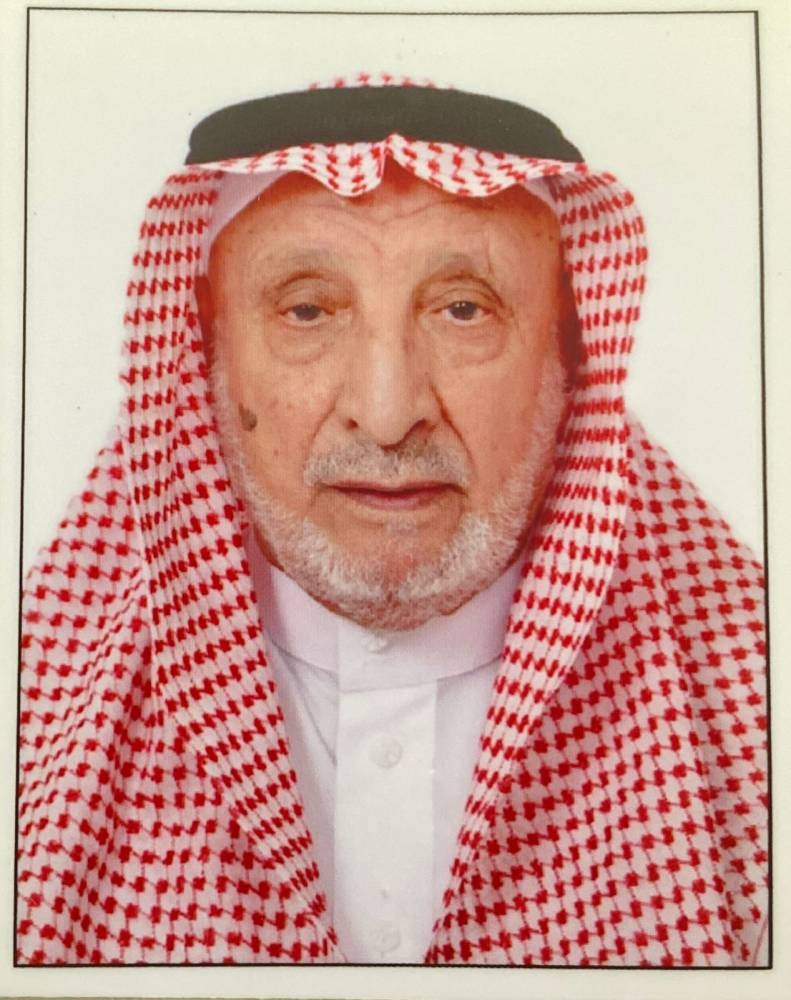
علي بن محمد الكردي الغامدي صوت تربوي وروائي ينبض بذاكرة الجبل وسيرة القرية ظل على امتداد عقود يكتب الحياة كما عاشها ويعلم كما لو أنه يروي فصولاً من كتاب مفتوح، ولد في قرية الريحان ببني ظبيان وسار مبكرا نحو نور التعليم حين كانت المدارس حلماً وسبورة الطين نافذة للمعرفة. بدأ تلميذاً في مدرسة بني ظبيان ثم عاد إليها معلماً ثم مديراً ثم موجهاً تربوياً. انتقل بين الباحة والطائف ومكة المكرمة حاملا رسالته التعليمية بعزم المؤمن بقيمة الكلمة وسلطة القلم لم تكن رحلته في التعليم مجرد وظيفة بل كانت حياة كاملة آمن فيها بأن التربية لا تلقن بل تعاش وأن المعلم ليس ناقلاً للمعلومة بل صانع للوعي وهادٍ للطريق.
في رحلته التعليمية كان للرواد الأوائل أثر بالغ في تشكيل وعيه وتوجيه خطواته، وكان في مقدمتهم الشيخ سعد بن عبدالله المليص الذي فتح بيته للعلم واحتضن طلاب الريحانية ليواصلوا تعليمهم الثانوي عندما كانت الباحة تفتقر إلى المدارس العليا، كما كان للدكتور سعيد بن محمد المليص حضوره الملهم في مسيرة التعليم ورفقة الدرب في بدايات التكوين، حيث ربطتهما زمالة مبكرة ومواقف لا تنسى في طريق البناء التربوي.
وإلى جوار هذا العطاء التربوي الكبير ظل علي الكردي يكتب نصوصه كما لو أنه يعيد ترتيب أيامه على الورق فأصدر روايته طارق في معترك الحياة، وهي شهادة حية على صراعات الجيل الأول وتحولاته ومرآة لقيم تربوية وأخلاقية أصيلة انطلقت من بيئته القروية وتجاربه الحياتية وقد بدأها بنداء صادق يقول فيه «يجب على كل واحد منا أن يقوم بواجبه تجاه خالقه ويخلص العمل لله وحده لا شريك له، فلا ينفع المرء إلا ما كسبت يداه، وكل نفس بما كسبت رهينة»، لتكون الرواية بوابة لرسائل شبابية وتربوية تكرس مفاهيم الجد والاجتهاد والصدق مع النفس ومقاومة العقبات بالتوكل والعمل.
علي الكردي هو المعلم الأصيل والحكاء الصادق والمؤرخ الشعبي الذي جمع بين الطباشير والورق وبين الموقف والتأمل وبين قاعة الدرس وصفحة الرواية ومضى حاملاً رسالة لا تمحى في وعي من تتلمذوا على يديه أو قرؤوا له أو سمعوا صوته وهو يسرد بهدوء حكاية وطن صغير اسمه «بني ظبيان» وحكاية وطن كبير اسمه التعليم.
ورغم تقاعده في بداية عام 1400 إلا أن صوته لم يغب عن المشهد، بل ظل متابعاً ومشاركاً ومؤثراً بقلمه وذاكرته فامتزجت تجربته التربوية بإبداعه الأدبي ليشكل جسراً نبيلاً يربط بين أجيال البدايات وأبناء الحاضر ويذكر الجميع بأن التعليم كان ولا يزال رسالة لا ينطفئ نورها.
واليوم، وبعد هذا التاريخ المجيد لا يزال منزله في مكة المكرمة، وفي قريته في جبال الباحة الشاهقة، عامرين بالضيوف والأصدقاء وأبناء القرية، وقد تحولا إلى مجلس أدبي وملتقى ثقافي تنبعث منه روح الوفاء والكرم والمروءة. ولا يتوانى، رغم تقدمه في السن، عن أداء واجباته الاجتماعية بكل تواضع واحتساب، فهو يعد نموذجاً حياً للقدوة الحسنة التي يقتدي بها شباب القرية، ويكبرون فيها معنى الوفاء والعطاء والبذل في صمت ورضا.
Ali bin Muhammad Al-Kurdi Al-Ghamdi is an educational voice and novelist pulsating with the memory of the mountain and the story of the village. For decades, he has written about life as he lived it and taught as if he were narrating chapters from an open book. He was born in the village of Al-Raihan in Bani Dhubyan and early on walked towards the light of education when schools were a dream and the clay blackboard was a window to knowledge. He started as a student in the Bani Dhubyan school, then returned as a teacher, then as a principal, and finally as an educational supervisor. He moved between Al-Bahah, Taif, and Mecca, carrying his educational message with the determination of a believer in the value of the word and the authority of the pen. His journey in education was not just a job but a complete life in which he believed that education is not taught but lived, and that the teacher is not merely a transmitter of information but a creator of awareness and a guide to the path.
In his educational journey, the early pioneers had a profound impact on shaping his awareness and directing his steps. Among them was Sheikh Saad bin Abdullah Al-Mulais, who opened his home for knowledge and embraced the students of Al-Raihaniya to continue their secondary education when Al-Bahah lacked higher schools. Dr. Saeed bin Muhammad Al-Mulais also had an inspiring presence in the educational journey and companionship in the early stages of formation, as they shared an early fellowship and unforgettable moments on the path of educational construction.
Alongside this great educational contribution, Ali Al-Kurdi continued to write his texts as if he were rearranging his days on paper. He published his novel "Tariq in the Struggle of Life," which is a living testimony to the struggles and transformations of the first generation and a mirror of authentic educational and moral values that emerged from his rural environment and life experiences. He began it with a sincere call stating, "Each one of us must fulfill their duty towards their Creator and dedicate their work solely to God, with no partner. A person benefits only from what their hands have earned, and every soul is held accountable for what it has earned," making the novel a gateway for youthful and educational messages that reinforce the concepts of diligence, sincerity with oneself, and overcoming obstacles through reliance and action.
Ali Al-Kurdi is the authentic teacher, the sincere storyteller, and the popular historian who combined chalk and paper, stance and contemplation, the classroom and the page of the novel. He moved forward carrying an indelible message in the consciousness of those who learned from him, read his works, or heard his voice as he calmly narrated the story of a small homeland named "Bani Dhubyan" and the story of a great homeland called education.
Despite his retirement at the beginning of the year 1400, his voice has not faded from the scene; rather, he has remained a follower, participant, and influencer with his pen and memory. His educational experience has blended with his literary creativity to form a noble bridge connecting the generations of beginnings with the children of the present, reminding everyone that education was and still is a message whose light does not extinguish.
Today, after this glorious history, his home in Mecca and in his village in the towering mountains of Al-Bahah are still bustling with guests, friends, and villagers, having transformed into a literary council and a cultural gathering that emanates the spirit of loyalty, generosity, and nobility. He does not hesitate, despite his advanced age, to fulfill his social duties with humility and dedication. He is a living example of the good role model that the youth of the village look up to, growing in them the meaning of loyalty, giving, and selflessness in silence and contentment.