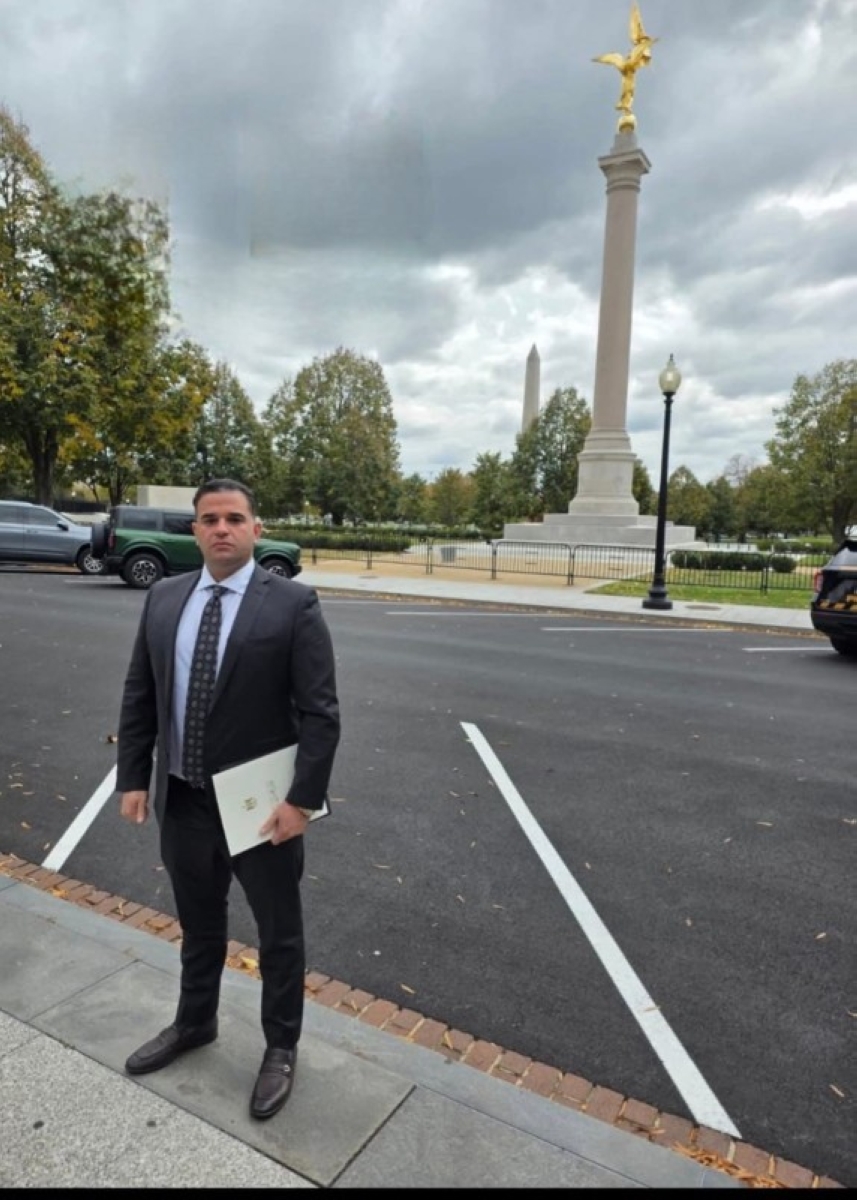
بالتزامن مع استعداد العراق لإجراء الانتخابات البرلمانية بعد أيام قليلة، تأجلت زيارة المبعوث الأمريكي الخاص إلى بغداد مارك سافايا، إلى انتهاء الانتخابات المقررة يوم 11 نوفمبر الجاري.
وعزت مصادر سبب التأجيل المفاجئ إلى أحد أمرين: الأول قلة الخبرة السياسية للمبعوث الخاص، نظراً لأنه لم يسبق له أن تقلد أي منصب حكومي سابقاً وحاجته لدورات مكثفة. أما السبب المحتمل الثاني، فهو أن المنطقة قد تشهد صدامات عسكرية مسلحة في الأيام القادمة قبل الانتخابات أو فور الإعلان عن نتائجها.
وفيما يتعلق بالانتخابات، تقرر ألا يكون هناك أي موقف أمريكي رسمي تجاهها إلا بعد إعلان نتائجها. وتهدف واشنطن أولاً إلى معرفة «من الأطراف الفائزة وخلفياتهم ومدى ارتباطاهم بالفصائل المسلحة المعاقبة أمريكياً».
وعلى المستوى السياسي العراقي، بدأت أطراف سياسية عدة بالتحرك استباقاً لهذه التطورات، عبر محاولة مد جسور التعارف وبناء علاقات مع المبعوث الخاص. وقام العديد منهم بمحاولات للاتصال به أو لتأمين لقاء معه قبل حضوره إلى العراق أو خلال الأيام الأولى لوصوله المرتقب.
في غضون ذلك، يقف «الإطار التنسيقي» مراقباً للأحداث، وهو الذي «يعيش صراعات داخلية وضغوطات خارجية». وتفيد معلومات «عكاظ» بأن تحالف الإطار «لم يتفق إلى الآن إلا على نقطة واحدة» وهي «منع استلام رئيس الوزراء الحالي محمد شياع السوداني ولاية أخرى مهما كلف الأمر».
وفي سياق البحث عن بديل، وضع الإطار قائمة من ثلاثة أشخاص كمرشحين محتملين لمنصب رئيس مجلس الوزراء القادم، وهم: عبدالحسين عبطان الذي كان يشغل منصب وزير الرياضة والشباب في حكومة رئيس الوزراء السابق حيدر العبادي 2014-2018)، محسن المندلاوي نائب رئيس مجلس النواب الحالي، وأحمد المبرقع وزير الرياضة والشباب في الحكومة الحالية.
ويعتقد مراقبون أن الساحة العراقية مقبلة على متغيرات غير محسوبة، فبينما تضع واشنطن أسساً جديدة تهدف لإعادة تشكيل المشهد الأمني والسياسي، يترقب الداخل العراقي نتائج الانتخابات التي ستحدد ملامح الحكومة القادمة. وستكون قدرة الأطراف الفائزة على الموازنة بين متطلبات «الإطار التنسيقي» الرافض لتجديد ولاية السوداني، وبين سياسات المبعوث الأمريكي الجديد الذي يضع على رأس أولوياته حصر السلاح بيد الدولة والحد من نفوذ القوى والفصائل المسلحة، وهي في معظمها فصائل لها أجنحة سياسية ممثلة في البرلمان ولدى بعضها مناصب وزارية ومعاقبون من واشنطن، أو قادة فصائل مدرجون على لائحة الإرهاب في الولايات المتحدة الأمريكية.
As Iraq prepares to hold parliamentary elections in just a few days, the visit of the U.S. special envoy to Baghdad, Mark Savaia, has been postponed until after the elections scheduled for November 11.
Sources attributed the sudden postponement to one of two reasons: the first is the special envoy's lack of political experience, as he has never held any government position before and needs intensive training. The second possible reason is that the region may witness armed military clashes in the coming days, either before the elections or immediately after the announcement of their results.
Regarding the elections, it has been decided that there will be no official U.S. position on them until after the results are announced. Washington's primary goal is to understand "who the winning parties are, their backgrounds, and the extent of their connections to the armed factions sanctioned by the U.S."
On the Iraqi political level, several political parties have begun to act in anticipation of these developments by attempting to build bridges and establish relationships with the special envoy. Many of them have made efforts to contact him or secure a meeting with him before his arrival in Iraq or during the first few days of his expected visit.
Meanwhile, the "Coordination Framework" stands by as an observer of events, as it "experiences internal conflicts and external pressures." Information from "Okaz" indicates that the Coordination Framework "has only agreed on one point so far," which is "to prevent the current Prime Minister Mohammed Shia al-Sudani from taking another term at any cost."
In the context of seeking an alternative, the framework has put together a list of three potential candidates for the next Prime Minister position: Abdul-Hussein Abtan, who served as Minister of Youth and Sports in the government of former Prime Minister Haider al-Abadi (2014-2018), Mohsen al-Mandalawi, the current Deputy Speaker of Parliament, and Ahmed al-Mubaraq, the Minister of Youth and Sports in the current government.
Observers believe that the Iraqi scene is heading towards unpredictable changes, as Washington lays the groundwork for reshaping the security and political landscape. The Iraqi interior awaits the election results that will define the features of the upcoming government. The ability of the winning parties to balance the demands of the "Coordination Framework," which opposes renewing al-Sudani's term, with the policies of the new U.S. envoy, who prioritizes restricting weapons to the state and limiting the influence of armed groups and factions—most of which have political wings represented in parliament and some hold ministerial positions and are sanctioned by Washington, or are faction leaders listed as terrorists by the United States—will be crucial.