فيما لم يعلن الجيش السوداني أو قوات الدعم السريع عن أي موقف رسمي من تصريحات مستشار الرئيس الأمريكي لشؤون الشرق الأوسط مسعد بولس، التي أكد فيها أن الطرفين وافقا «مبدئيا» على هدنة لوقف الحرب، أفاد مصدر رسمي بأن الحكومة السودانية تدرس مقترح وقف إطلاق النار.
ونقلت وسائل إعلام غربية عن المصدر قوله: إن «مجلس الأمن والدفاع سيعقد اجتماعا، اليوم (الثلاثاء) لبحث مقترح الهدنة الأمريكي».
وكان مستشار الرئيس الأمريكي، أعلن أمس الإثنين، أن الجيش السوداني والدعم السريع وافقا على هدنة تمتد لـ3 أو 9 أشهر، استنادا إلى خطة المجموعة الرباعية التي تضم السعودية والإمارات والولايات المتحدة ومصر.
وأفاد بولس في تصريحات من القاهرة، أن مناقشات فنية ولوجستية جارية قبل التوقيع النهائي على الهدنة، لافتا إلى أن ممثلي الطرفين موجودون في واشنطن منذ فترة لبحث تفاصيلها.
وأضاف أن مقترح الهدنة يمثل فرصة حقيقية لإنهاء الأزمة، مؤكدا أن الجيش والدعم السريع منخرطان في مناقشة ورقة قدمتها الولايات المتحدة بدعم من الرباعية تهدف إلى تحقيق السلام.
في غضون ذلك، رفضت منصات إعلامية محسوبة على تنظيم «الإخوان» أي حديث عن هدنة أو وقف للحرب، ووجهت تهديدات صريحة لقائد الجيش عبد الفتاح البرهان. وقال القيادي في أمانة شباب تنظيم الإخوان محمد السر مساعد، في منشور على «فيسبوك»: «إن يريد أن يكتب البرهان نهايته المحتومة فليوقع».
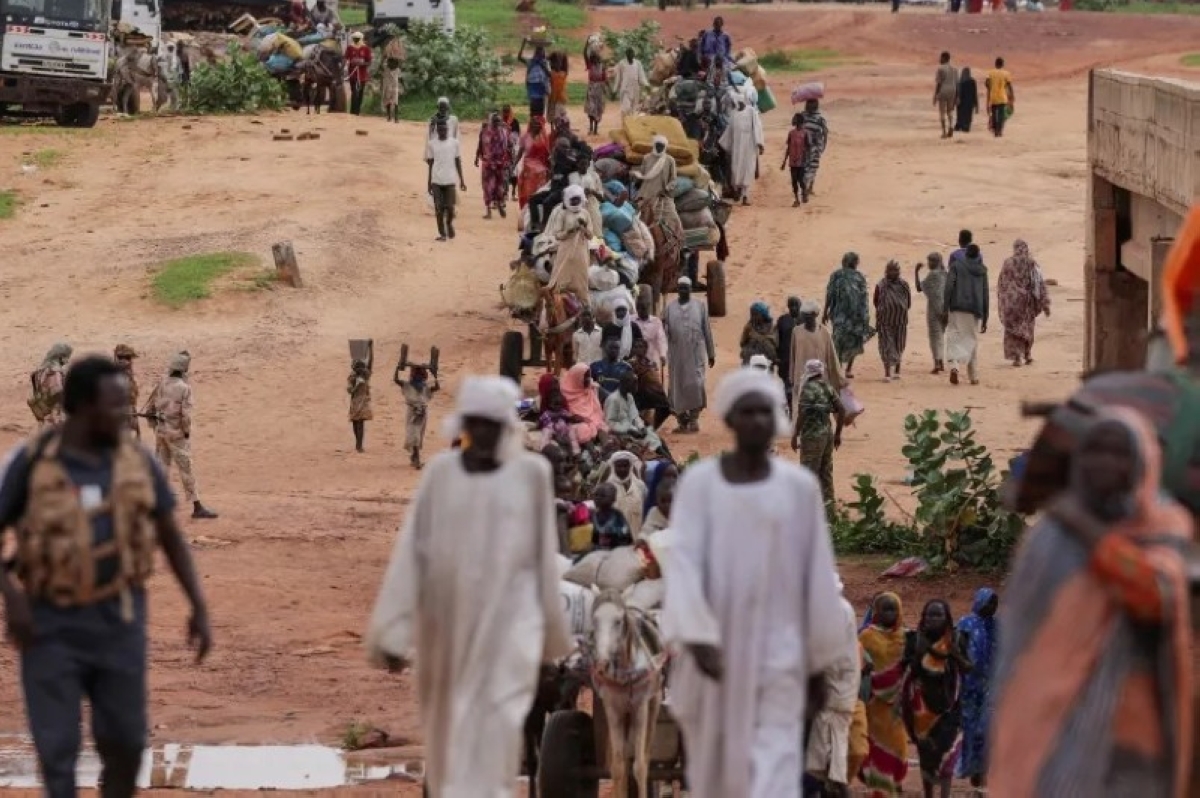
وكثفت تلك المنصات من دعواتها للجيش السوداني بمواصلة القتال، ونظمت حملات استنفار في عدد من المناطق، لكنها لم تلق الاستجابة المطلوبة، في ظل اتساع دائرة الرفض الشعبي للحرب، وتفاقم المعاناة الإنسانية، إذ تشير تقديرات إلى سقوط نحو 150 ألف قتيل.
وتصاعدت تهديدات الإخوان عقب الإعلان الأمريكي عن الهدنة، وطالبت قوات الجيش بربط أي اتفاق بخروج الدعم السريع من المناطق التي تسيطر عليها، والتي تشمل كامل إقليم دارفور وأجزاء واسعة من كردفان، أي ما يعادل نحو نصف مساحة البلاد.
وأفاد مصدر عسكري، أن قائد الجيش يواجه ضغوطا متزايدة من قيادات تنظيم الإخوان الرافضة لوقف الحرب، ويسعى للخروج من المأزق عبر إحالة الملف إلى مجلس الأمن والدفاع، بحسب ما نقلت «سكاي نيوز عربية» عن مصدر عسكري.
While the Sudanese army and the Rapid Support Forces have not announced any official position regarding the statements made by the U.S. President's advisor for Middle Eastern affairs, Musaad Boulos, who confirmed that both parties have "provisionally" agreed to a ceasefire to stop the war, an official source reported that the Sudanese government is considering a proposal for a ceasefire.
Western media outlets quoted the source as saying that "the Security and Defense Council will hold a meeting today (Tuesday) to discuss the American ceasefire proposal."
The U.S. President's advisor announced yesterday, Monday, that the Sudanese army and the Rapid Support Forces have agreed to a ceasefire lasting 3 or 9 months, based on the plan of the Quadruple Group, which includes Saudi Arabia, the UAE, the United States, and Egypt.
Boulos stated in remarks from Cairo that technical and logistical discussions are ongoing before the final signing of the ceasefire, noting that representatives of both parties have been in Washington for some time to discuss its details.
He added that the ceasefire proposal represents a real opportunity to end the crisis, emphasizing that the army and the Rapid Support Forces are engaged in discussions regarding a paper presented by the United States with the support of the Quad aimed at achieving peace.
Meanwhile, media platforms affiliated with the "Brotherhood" organization rejected any talk of a ceasefire or stopping the war, issuing explicit threats to army commander Abdel Fattah al-Burhan. A leader in the Brotherhood's Youth Secretariat, Mohamed Al-Sar Mosaad, stated in a post on "Facebook": "If Burhan wants to write his inevitable end, let him sign."
These platforms intensified their calls for the Sudanese army to continue fighting and organized mobilization campaigns in several areas, but they did not receive the desired response amid the growing public rejection of the war and the worsening humanitarian suffering, with estimates indicating around 150,000 fatalities.
Threats from the Brotherhood escalated following the U.S. announcement of the ceasefire, demanding that the army link any agreement to the withdrawal of the Rapid Support Forces from the areas they control, which include the entire Darfur region and large parts of Kordofan, amounting to about half of the country's area.
An military source reported that the army commander is facing increasing pressure from Brotherhood leaders who oppose stopping the war and is seeking to extricate himself from the impasse by referring the matter to the Security and Defense Council, according to what "Sky News Arabia" reported from a military source.