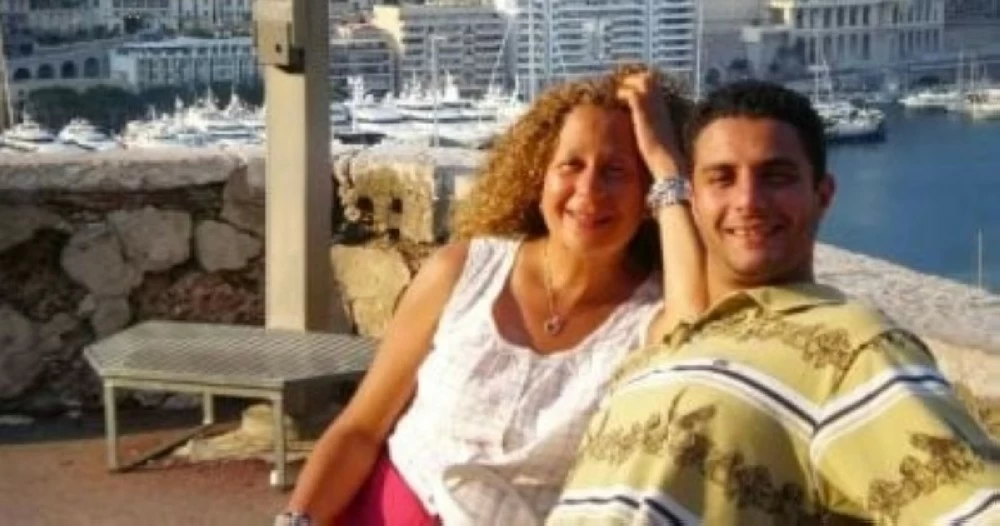
كشف المؤلف والسيناريست المصري محمد صلاح العزب،عن آخر رسالة وجهتها الفنانة الراحلة سمية الألفي إلى نجلها الفنان أحمد الفيشاوي قبل وفاتها، كاشفًا عن علاقتها العميقة بنجلها ودعمها الدائم له حتى في آخر لحظات حياتها.
تسجيل مؤثر
ونشرالعزب تسجيلًا صوتيًّا مؤثرًا عبر حسابه الشخصي في «إنستغرام»، لسمية الألفي قبل رحيلها، وجهت من خلاله كلمات لنجلها أحمد الفيشاوي قائلة: «حبيبي أحمد، ربنا يخليك ليّ ويسعدك زي ما بتسعدني، ويريح قلبك زي ما بيريح قلبي».
وظهرت الألفي خلال حضور كواليس فيلم «سفاح التجمع»، وهو العمل الفني الأخير الذي كان يعكف عليه الفيشاوي آنذاك، وحرصت على دعم نجلها بالدعاء له، وتوقعت نجاح الفيلم، وقالت: «ربنا يكرمك ويوفقك، وإن شاء الله فيلمك يكسر الدنيا وهتقول ماما قالت إن شاء الله هيعمل نقطة تحول في مسيرتك».
وفي الجزء الأكثر إنسانية وتأثيرًا من رسالة الألفي، تحدثت بصراحة وهدوء عن تقدمها في العمر وغيابها عن الظهور، دون حزن أو شكوى.
وقالت خلال التسجيل الصوتي: «أنا شكلي كبر أوي بقالي كتير مظهرتش، وحاسة إن شكلي كبر بس مش مهم، أنا بحب سنين عمري، ربنا يوفقك، وعندي إحساس غريب إن الفيلم ده هيعمل ضجة كبيرة، ربنا يزيدك يا حبيبي».
وتعد رسالة الفنانة سمية الألفي، آخر ما سمعه نجلها الفيشاوي قبل أن تفارق الحياة، ما يجعلها لحظة فارقة في حياته الشخصية والفنية، لما تعكسه الرسالة من مشاعر حب ودعم ومساندة إلى جانب علاقتهما العميقة بعيدًا عن الأضواء.
أسرار من حياة الألفي
تعرّفت الراحلة على الفنان فاروق الفيشاوي خلال دراستهما بالمعهد العالي للفنون المسرحية، وتزوجا وأنجبا أحمد وعمر، ثم تزوجت بعد ذلك 3 مرات، من الملحن مودي الإمام والمخرج جمال عبدالحميد، والمطرب مدحت صالح.
وشاركت الألفي في عدد من الأعمال المصنفة كأيقونات مصرية، وظهرت أول مرة في مسلسل «أفواه وأرانب» بصحبة النجوم محمود ياسين وفريد شوقي وفاتن حمامة، ثم شاركت في مسرحية «أولاد علي بمبة» عام 1976، وكذلك فيلم «الحساب يا مدموزيل»، ثم توالت أعمالها بين السينما والمسرح والتلفزيون.
ومن أبرز أعمالها الدرامية «علي بيه مظهر و40 حرامي، والراية البيضاء، وبوابة الحلواني، وليالي الحلمية، ومنشية البكري، والقرداتي، ولدينا أقوال أخرى، وللحب فرصة أخيرة، وأحلام سعيدة»، وهي أعمال تعد من أيقونات الدراما المصرية.
وتميزت سمية الألفي بقدرتها على تقديم أدوار المرأة المصرية البسيطة، أمّا وزوجة دون مبالغة، فحظيت بإعجاب الجمهور وتفاعل مع شخصياتها.
ورم نادر
في سنواتها الأخيرة، خاضت سمية الألفي معركة طويلة وصعبة مع المرض بعد إصابتها بورم نادر في العمود الفقري شُخص على أنه نوع من السرطان النادر، وخضعت لعمليتين جراحيتين لاستئصال الورم الخبيث.
وفي حوار تلفزيوني في 2021، تحدثت سمية الألفي عن تعرضها للإجهاض 12 مرة قبل إنجاب طفلها الأول، قائلة إنها كانت في كل مرة تسمي هذا الطفل (أحمد)، ولم تتردد في تسمية طفلها بهذا الاسم لحبها الشديد له فهو اسم أخيها وعمها، مؤكدة أنها كانت قوية وواثقة من أنها ستستطيع الإنجاب.
The Egyptian author and screenwriter Mohamed Salah El-Azab revealed the last message sent by the late artist Somaya El-Alfi to her son, the artist Ahmed El-Fishawy, before her passing, shedding light on her deep relationship with her son and her constant support for him even in the final moments of her life.
Emotional Recording
El-Azab shared an emotional audio recording via his personal account on Instagram, featuring Somaya El-Alfi before her departure, in which she addressed her son Ahmed El-Fishawy, saying: "My dear Ahmed, may God keep you for me and make you happy as you make me happy, and ease your heart as you ease mine."
El-Alfi appeared during the behind-the-scenes of the film "The Killer of the Gathering," which was the last artistic work that El-Fishawy was working on at the time. She made sure to support her son with prayers and anticipated the film's success, saying: "May God bless you and grant you success, and God willing, your film will break records, and you will say, 'Mama said, God willing, it will be a turning point in your career.'"
In the most human and impactful part of El-Alfi's message, she spoke candidly and calmly about her aging and absence from the spotlight, without sadness or complaint.
She said during the audio recording: "I feel like I've aged a lot; I haven't appeared for a long time, and I feel like I've aged, but that's not important. I love my years, may God grant you success, and I have a strange feeling that this film will make a big splash, may God increase you, my dear."
The message from artist Somaya El-Alfi was the last thing her son El-Fishawy heard before she passed away, making it a pivotal moment in his personal and artistic life, reflecting feelings of love, support, and solidarity alongside their deep relationship away from the limelight.
Secrets from El-Alfi's Life
The late artist met actor Farouk El-Fishawy while studying at the Higher Institute of Dramatic Arts. They married and had two sons, Ahmed and Omar, and she later married three more times, to composer Mody El-Imam, director Gamal Abdel Hamid, and singer Medhat Saleh.
El-Alfi participated in several works considered Egyptian icons, making her first appearance in the series "Mouths and Rabbits" alongside stars Mahmoud Yassin, Farid Shawqi, and Faten Hamama. She then appeared in the play "Awlad Ali Bamba" in 1976, as well as in the film "The Bill, Miss," and her works continued across cinema, theater, and television.
Among her most notable dramatic works are "Ali Bey Mazar and 40 Thieves," "The White Flag," "The Gate of Halawani," "Dreamy Nights," "Manshiyat Al-Bakri," "The Monkey," "We Have Other Statements," "Love Has One Last Chance," and "Happy Dreams," all of which are considered icons of Egyptian drama.
Somaya El-Alfi was distinguished by her ability to portray the roles of simple Egyptian women, mothers, and wives without exaggeration, earning the admiration of the audience and interaction with her characters.
Rare Tumor
In her later years, Somaya El-Alfi fought a long and difficult battle with illness after being diagnosed with a rare tumor in her spine identified as a type of rare cancer. She underwent two surgical operations to remove the malignant tumor.
In a television interview in 2021, Somaya El-Alfi spoke about having experienced 12 miscarriages before giving birth to her first child, stating that she named each of those children "Ahmed." She did not hesitate to name her child after her deep love for the name, which is also the name of her brother and uncle, affirming that she was strong and confident that she would be able to conceive.