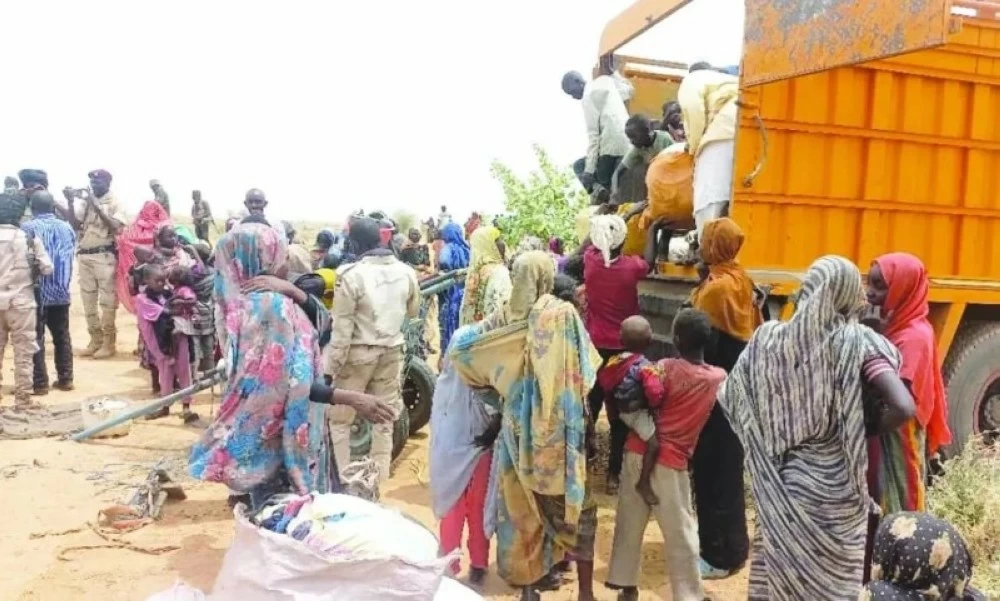
أعلنت منظمة الهجرة الدولية اليوم (الأحد) نزوح أكثر من 107,294 شخصاً من مدينة الفاشر والقرى المحيطة في ولاية شمال دارفور غربي السودان، بعد سيطرة قوات الدعم السريع.
وعزت المنظمة الدولية، في بيان أسباب النزوح إلى تزايد انعدام الأمن خلال الفترة الممتدة بين 26 أكتوبر الماضي والثامن من ديسمبر الجاري، موضحة أن الغالبية العظمى من النازحين (حوالى 72%) بقيت داخل ولاية شمال دارفور في مناطق شمال وغرب الولاية.
وأشارت إلى أن التقديرات تشير إلى أن 19% من النازحين وصلوا إلى ولايات أخرى في السودان، بينها ولاية وسط دارفور (غرب) والشمالية (شمال)، والنيل الأبيض.
وأفادت فرق ميدانية تابعة لحركة مصفوفة النزوح أن 75% من النازحين منذ 26 أكتوبر 2025 كانوا بالفعل نازحين داخلياً، بما في ذلك أولئك الذين نزحوا في البداية من مخيمات النازحين الرئيسية (زمزم، أبو شوك) أو مواقع داخل مدينة الفاشر خلال التصعيدات السابقة، ثم نزحوا مرة أخرى بعد 26 أكتوبر 2025.
وذكرت منظمة الهجرة أن هذه الأرقام أولية وقابلة للتغيير نظراً لاستمرار انعدام الأمن وتطورات ديناميكيات النزوح السريعة، مؤكدة أن الوضع لا يزال متوتراً ومتقلباً للغاية.
The International Organization for Migration announced today (Sunday) the displacement of more than 107,294 people from the city of El Fasher and the surrounding villages in North Darfur State, western Sudan, following the takeover by the Rapid Support Forces.
The international organization attributed the reasons for the displacement to the increasing insecurity during the period from October 26 to December 8, explaining that the vast majority of the displaced (about 72%) remained within North Darfur State in the northern and western regions of the state.
It noted that estimates indicate that 19% of the displaced have reached other states in Sudan, including Central Darfur (west), Northern (north), and White Nile.
Field teams affiliated with the Displacement Matrix Movement reported that 75% of the displaced since October 26, 2025, were already internally displaced, including those who initially fled from the main displacement camps (Zamzam, Abu Shouk) or locations within the city of El Fasher during previous escalations, and then were displaced again after October 26, 2025.
The migration organization stated that these figures are preliminary and subject to change due to the ongoing insecurity and the rapid developments in displacement dynamics, emphasizing that the situation remains highly tense and volatile.