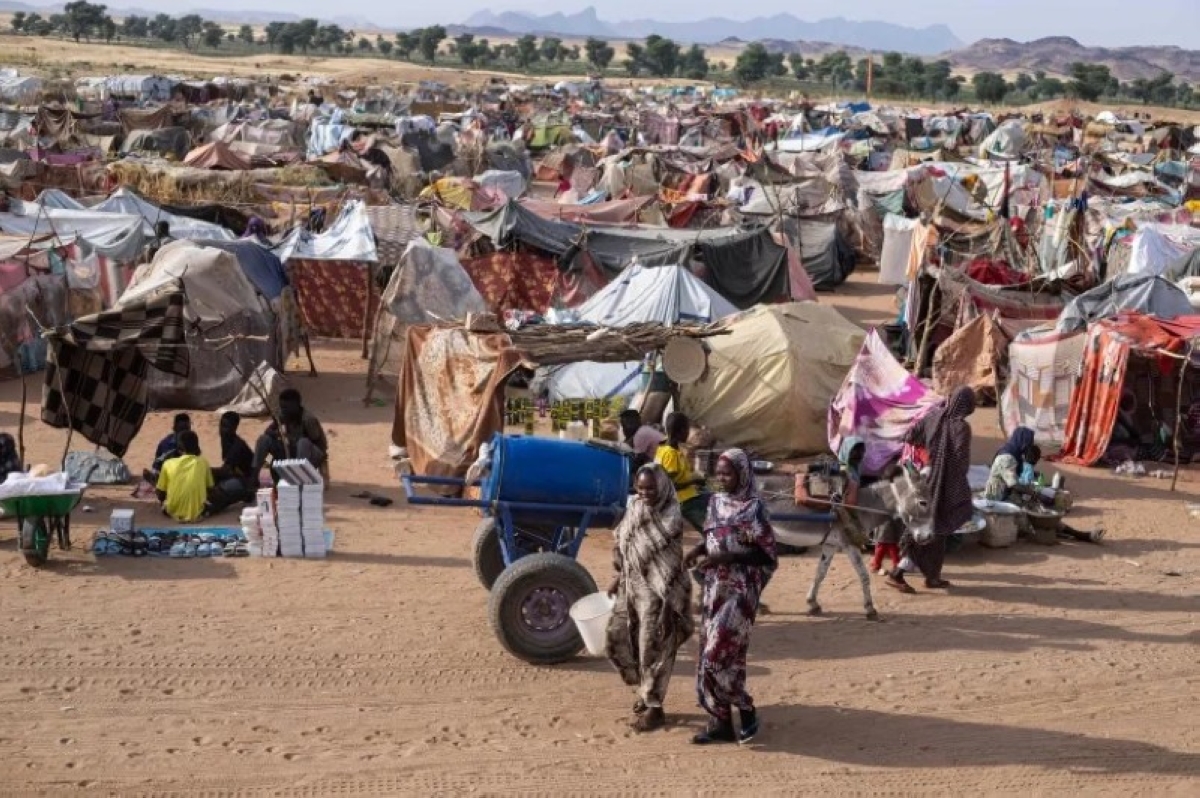
كشف تقرير للتصنيف المرحلي المتكامل للأمن الغذائي انتشار المجاعة في مدينة الفاشر شمال دارفور وكادوغلي في جنوب كردفان غرب السودان وجنوبه، بعد أشهر من حصار قوات الدعم السريع للمدينتين.
وحذر التقرير المدعوم من الأمم المتحدة، من أن أكثر من 21 مليون شخص واجه مستويات عالية من انعدام الأمن الغذائي الحاد في سبتمبر الماضي.
ووفقا للتصنيف، الذي نشر أمس (الإثنين)، يعاني على الأقل شخص من كل 5 أشخاص نقصا حادا في التغذية ويواجه خطر المجاعة، وما لا يقل عن 30% من الأطفال دون سن الخامسة يعانون من سوء التغذية.
وأفاد التقرير بأن 375 ألفا جوّعوا في دارفور وكردفان منذ سبتمبر الماضي، وأكثر من 6 ملايين شخص عبروا السودان يواجهون مستويات مرتفعة من الجوع.
وبسبب تصعيد القتال في الأشهر الأخيرة هناك 20 منطقة أخرى في دارفور وكردفان معرضة أيضا لخطر المجاعة.
وتوقع التقرير استمرار الوضع على ما هو عليه حتى مايو 2026 على الأقل.
وكانت المنظمة الدولية للهجرة، أعلنت أمس (الإثنين)، أن أكثر من 36 ألف مدني سوداني فرّوا من بلدات وقرى في ولاية شمال كردفان، مع ارتفاع وتيرة المعارك في إقليم دارفور المجاور.
الحصار مستمر في الفاشر
وذكرت الأمم المتحدة أن عددا كبيرا من المدنيين لا يزالون محاصرين في مدينة الفاشر عاصمة ولاية شمال دارفور غربي السودان، داعية إلى إتاحة وصول فوري وغير مقيد إلى المحاصرين.
وتسيطر قوات الدعم السريع حاليا على جميع ولايات إقليم دارفور الخمس غربا، عدا بعض الأجزاء الشمالية من ولاية شمال دارفور، التي لا تزال تحت سيطرة قوات الجيش السوداني، وتشمل محافظات كرنوي وأمبرو والطينة شمال الولاية.
وهناك مناطق تحت سيطرة قوات حركة «تحرير السودان» بقيادة عبد الواحد محمد نور، بما فيها منطقة طويلة التي تضم أكبر عدد من نازحي الفاشر.
ويسيطر الجيش السوداني على أغلب مناطق الولايات الـ13 المتبقية من أصل 18 ولاية في الجنوب والشمال والشرق والوسط، بما فيها العاصمة الخرطوم.
ويشكل إقليم دارفور نحو خمس مساحة السودان، غير أن غالبية السودانيين، البالغ عددهم 50 مليون نسمة، يعيشون في مناطق تحت سيطرة الجيش.
An integrated food security phase classification report revealed the spread of famine in the city of El Fasher in North Darfur and Kadugli in South Kordofan, western Sudan and its south, after months of siege by the Rapid Support Forces on the two cities.
The report, supported by the United Nations, warned that more than 21 million people faced high levels of acute food insecurity last September.
According to the classification published yesterday (Monday), at least one in every five people suffers from severe nutritional deficiency and is at risk of famine, with no less than 30% of children under the age of five suffering from malnutrition.
The report stated that 375,000 people have been starved in Darfur and Kordofan since last September, and more than 6 million people across Sudan are facing high levels of hunger.
Due to the escalation of fighting in recent months, there are 20 other areas in Darfur and Kordofan also at risk of famine.
The report predicted that the situation would remain as it is until at least May 2026.
The International Organization for Migration announced yesterday (Monday) that more than 36,000 Sudanese civilians have fled from towns and villages in North Kordofan, as the pace of battles in the neighboring Darfur region has increased.
The siege continues in El Fasher
The United Nations reported that a large number of civilians are still trapped in the city of El Fasher, the capital of North Darfur, western Sudan, calling for immediate and unrestricted access to those besieged.
The Rapid Support Forces currently control all five states of the Darfur region in the west, except for some northern parts of North Darfur, which remain under the control of the Sudanese army, including the provinces of Karnoi, Ambru, and Tine in the north of the state.
There are areas under the control of the Sudan Liberation Movement led by Abdel Wahid Mohamed Nour, including the Tallaja area, which has the largest number of displaced people from El Fasher.
The Sudanese army controls most of the remaining 13 states out of 18 in the south, north, east, and center, including the capital Khartoum.
The Darfur region constitutes about one-fifth of Sudan's area, but the majority of Sudanese, numbering 50 million, live in areas under army control.