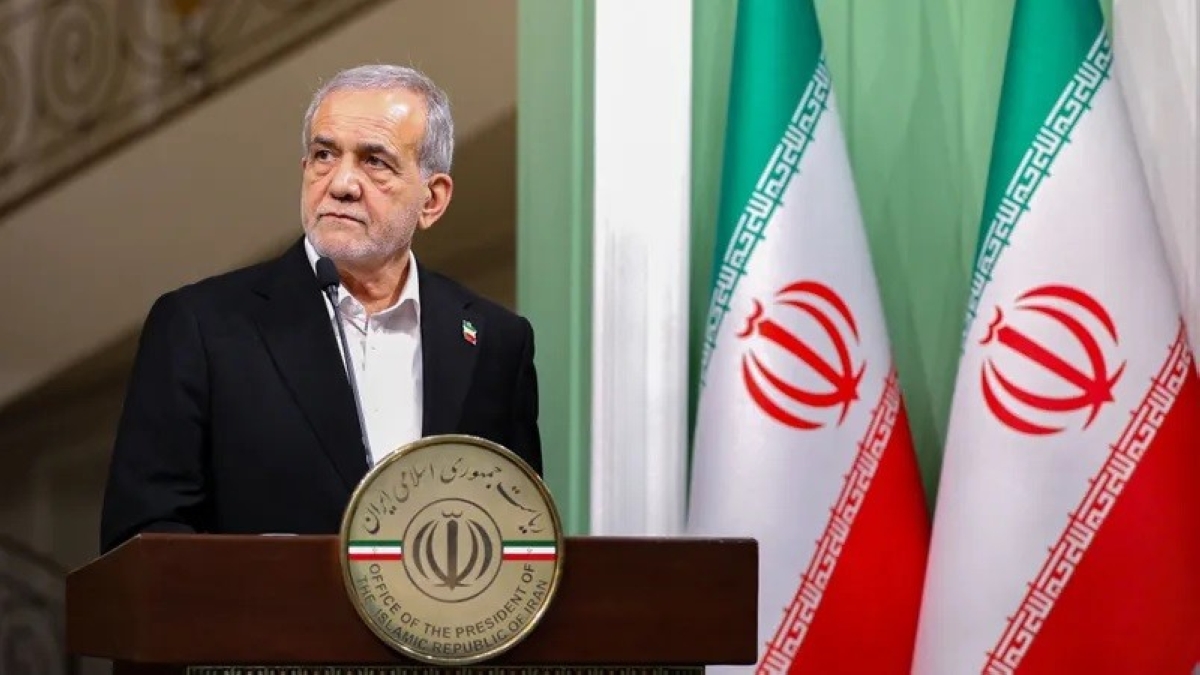
نقلت وسائل إعلام رسمية عن الرئيس الإيراني مسعود بيزشكيان قوله: إن طهران ستعيد بناء منشآتها النووية بقوة أكبر، وقال إن طهران «لا تسعى إلى امتلاك سلاح نووي». واعتبر بيزشكيان أن تدمير المنشآت النووية لن يكون عائقاً أمام تقدم بلاده، مؤكداً أنها ستعيد بناءها وبقوة أكبر. ولفت إلى أن جميع أنشطتهم النووية تهدف إلى حل مشكلات المواطنين وقضايا غير عسكرية، مضيفاً: «نحن نعتبر استخدام القنبلة النووية محرماً».
وتعرضت مواقع إيران النووية إلى ضربات جوية في حرب الـ12 يوماً مع إسرائيل يونيو الماضي، التي انتهت بضربات شنتها مقاتلات B-2 الأمريكية على مواقعها النووية الرئيسية، واستهدفت منشأة فوردو المحصنة التي كانت إيران تستعملها لتخصيب اليورانيوم.
تفاوض دون تنازلات
من جانبه، قال وزير الخارجية الإيراني عباس عراقجي في أكتوبر الماضي، إن بلاده مستعدة للتفاوض من أجل إثبات أن برنامجها النووي سلمي تماماً، مشيراً إلى أنها مستعدة لأي حل عادل لقضية البرنامج النووي، لكنها لن تتنازل عن حقوقها.
وأضاف عراقجي أن قنبلة إيران النووية هي القدرة على قول كلمة لا أمام القوى العظمى، وفق تعبيره، مجدداً تأكيده حق إيران في تخصيب اليورانيوم، وأن برنامجها «سلمي بحت».
وكان المدير العام للوكالة الدولية للطاقة الذرية رافاييل غروسي، أفاد بأن إيران لا تقوم حالياً بتخصيب اليورانيوم بشكل نشط، غير أن الوكالة رصدت تحركات قرب مواقع تخزين مواد نووية داخل البلاد.
ونقلت شبكة CNN عن مصادر استخباراتية أوروبية تأكيدها أن طهران تسرع في إعادة بناء برنامجها للصواريخ الباليستية، رغم إعادة فرض العقوبات الأممية في شهر سبتمبر الماضي.
وفي مقابلة مع وكالة «أسوشيتد برس» أوضح غروسي أنه على الرغم من عدم تمكّن المفتشين من الوصول إلى المواقع النووية الإيرانية، إلا أن الوكالة لم ترصد عبر صور الأقمار الاصطناعية أي مؤشرات على تسريع إيران إنتاجها من اليورانيوم المخصب بما يتجاوز المستويات التي كانت لديها قبل الحرب التي استمرت 12 يوماً مع إسرائيل في يونيو.
Iranian President Masoud Pezeshkian was quoted by official media as saying that Tehran will rebuild its nuclear facilities with greater strength, stating that Tehran "does not seek to possess nuclear weapons." Pezeshkian considered that the destruction of nuclear facilities would not be an obstacle to his country's progress, affirming that they will rebuild them with even greater strength. He pointed out that all their nuclear activities aim to solve citizens' problems and non-military issues, adding: "We consider the use of nuclear bombs to be forbidden."
Iran's nuclear sites were subjected to airstrikes during the 12-day war with Israel last June, which ended with strikes carried out by U.S. B-2 bombers on its main nuclear sites, targeting the fortified Fordow facility that Iran was using to enrich uranium.
Negotiating Without Concessions
For his part, Iranian Foreign Minister Abbas Araghchi stated last October that his country is ready to negotiate to prove that its nuclear program is entirely peaceful, indicating that it is prepared for any fair solution regarding the nuclear program, but will not concede its rights.
Araghchi added that Iran's nuclear bomb is the ability to say no to the great powers, as he put it, reiterating Iran's right to enrich uranium and that its program is "purely peaceful."
The Director General of the International Atomic Energy Agency, Rafael Grossi, reported that Iran is currently not actively enriching uranium; however, the agency has detected movements near nuclear material storage sites within the country.
CNN reported from European intelligence sources confirming that Tehran is accelerating the rebuilding of its ballistic missile program, despite the reimposition of UN sanctions last September.
In an interview with the Associated Press, Grossi clarified that although inspectors have not been able to access Iranian nuclear sites, the agency has not detected any signs through satellite images indicating that Iran is accelerating its production of enriched uranium beyond the levels it had before the 12-day war with Israel in June.