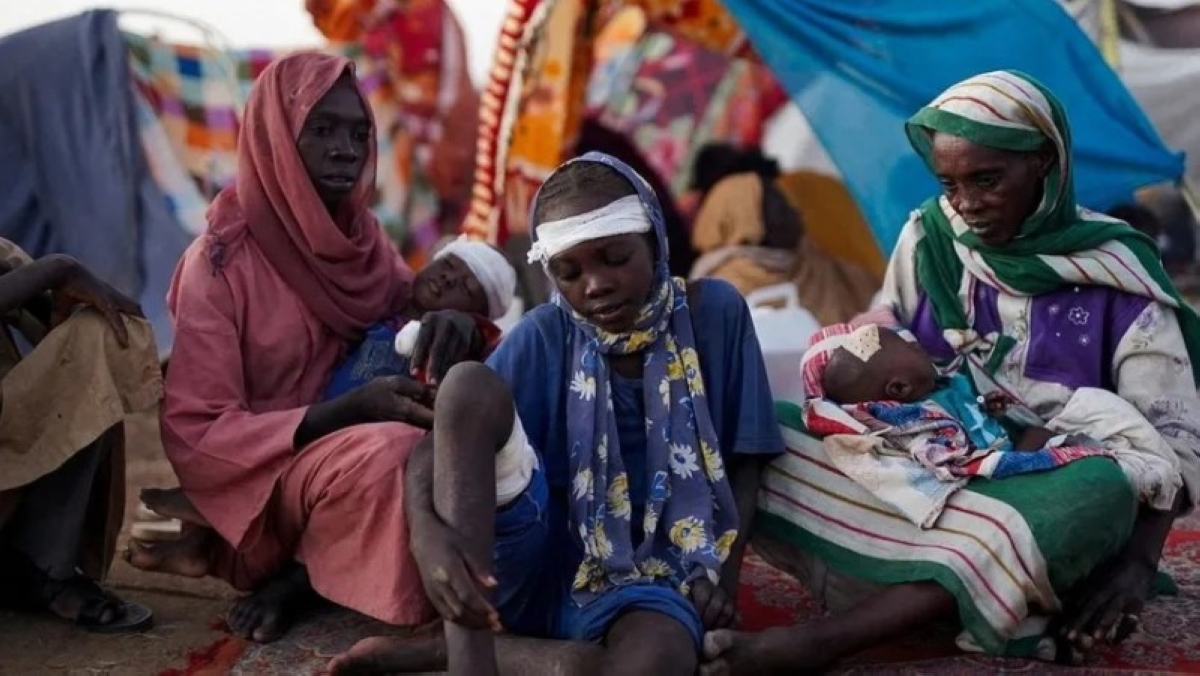
فيما يقترب الوضع الإنساني من حافة الانهيار الكامل، تتواصل موجات النزوح من مدينة الفاشر عاصمة ولاية شمال دارفور، ويواجه أكثر من 36 ألف نازح أوضاعاً إنسانية صعبة؛ بسبب نقص الغذاء ومياه الشرب، وانعدام المأوى وغياب الخدمات الأساسية.
هدنة وممرات آمنة
وأعلن المتحدث باسم تنسيقية النازحين واللاجئين في دارفور آدم رجال، أن منطقة طويلة شمال دارفور استقبلت نحو 700 طفل دون أسرهم، داعياً المنظمات الإنسانية إلى تكثيف جهودها لتقديم الدعم والإغاثة للمتضررين.
وأكد أن النساء والأطفال وكبار السن أكثر الفئات تضرراً، وتسجل حالات متزايدة من سوء التغذية بينهم. متهماً قوات الدعم السريع بارتكاب انتهاكات ضد النازحين قبل وصولهم إلى منطقة طويلة. ودعا الجيش السوداني وقوات الدعم السريع إلى التوصل لهدنة إنسانية وفتح ممرات آمنة لتقديم المساعدات للمدنيين.
نزوح ومجازر مروعة
وكتبت صحيفة «نيويورك تايمز»، أن مأساة دارفور تعود بعد 20 عاماً لتغرق المنطقة في العنف والفوضى من جديد، بعد سقوط مدينة الفاشر الذي أسفر عن مئات القتلى ومجازر مروعة، وسط نزوح الناجين إلى مناطق مجاورة.
وقال مدير منظمة الصحة العالمية إن مئات الأشخاص قتلوا خلال يوم واحد في آخر مستشفى بالمدينة، وبالفعل أظهرت مقاطع الفيديو ضحايا يعدمون بدم بارد، ومنذ ذلك الحين، فرّ الآلاف ولكن المنظمات الإنسانية تقول إن عدداً قليلاً منهم تمكن من الوصول إلى بر الأمان، في حين تحدث كثيرون ممن نجوا عن طرق مليئة بالجثث لأشخاص ماتوا أو قتلوا أثناء الهروب.
وذكرت ماتيلد فو من المجلس النرويجي للاجئين أن نحو 5,000 شخص فقط وصلوا إلى مدينة طويلة، على بعد 40 ميلاً غرب الفاشر.
موجة غضب عالمي
وأكدت الصحيفة أن صور الفظائع أثارت موجة غضب عالمي وأججت المخاوف من أن إقليم دارفور ينحدر مجدداً إلى دوامة من العنف والإبادة الجماعية، مثلما حدث قبل نحو عقدين.
ورغم الإدانات الدولية، فإن «نيويورك تايمز» ترى أن الردود العالمية اليوم أقل وضوحاً وتأثيراً مما كانت عليه قبل عقدين، ولفتت إلى أن جهود الوساطة الأمريكية الإقليمية لم تؤد بعد إلى وقف إطلاق النار، مع بقاء الدعم الخارجي مستمراً رغم الفظائع.
وذكرت أن نحو 260 ألف مدني كانوا محاصرين في الفاشر، وأن آلافاً منهم فروا عبر طرق محفوفة بالموت والعنف، في حين يواجه الناجون من النزوح ظروفاً مأساوية في المخيمات المزدحمة، مع انتشار الأمراض ونقص الغذاء والماء والمأوى.
تجويع وعنف منهجي
وخلصت إلى أن الأزمة في السودان تعد اليوم أكبر أزمة إنسانية في العالم، مع نزوح نحو 12 مليون شخص ومقتل نحو 400 ألف حسب تقديرات مختلفة، وحذّرت من أن دارفور تعيش اليوم إعادة إنتاج لمأساة الماضي، مع تصاعد العنف المنهجي والتجويع، والقتل الجماعي، وسط عجز دولي واضح عن حماية المدنيين.
وأكد خبراء حقوق الإنسان أن العنف في الفاشر قابل للمقارنة بالإبادة الجماعية في رواندا عام 1994، مع استهداف ممنهج للرجال والأولاد، وتهجير نصف مليون شخص من المدينة.
As the humanitarian situation approaches the brink of total collapse, waves of displacement continue from the city of El Fasher, the capital of North Darfur state, with more than 36,000 displaced individuals facing dire humanitarian conditions due to food shortages, lack of drinking water, absence of shelter, and the unavailability of basic services.
Ceasefire and Safe Corridors
The spokesperson for the Darfur Displaced Persons and Refugees Coordination Adam Rajal announced that the Longa area in North Darfur has received about 700 children without their families, calling on humanitarian organizations to intensify their efforts to provide support and relief to those affected.
He confirmed that women, children, and the elderly are the most affected groups, with increasing cases of malnutrition among them. He accused the Rapid Support Forces of committing violations against the displaced before they reached the Longa area. He called on the Sudanese army and the Rapid Support Forces to reach a humanitarian ceasefire and open safe corridors to deliver aid to civilians.
Displacement and Horrific Massacres
The New York Times reported that the tragedy in Darfur is returning after 20 years, plunging the region back into violence and chaos following the fall of El Fasher, which resulted in hundreds of deaths and horrific massacres, amid the displacement of survivors to neighboring areas.
The Director of the World Health Organization stated that hundreds of people were killed in a single day at the last hospital in the city, and indeed, videos showed victims being executed in cold blood. Since then, thousands have fled, but humanitarian organizations say that only a few have managed to reach safety, while many survivors spoke of paths filled with the bodies of people who died or were killed while escaping.
Matilde Fou from the Norwegian Refugee Council mentioned that only about 5,000 people reached the Longa city, located 40 miles west of El Fasher.
Global Outrage
The newspaper confirmed that images of the atrocities have sparked a wave of global outrage and heightened fears that the Darfur region is once again descending into a spiral of violence and genocide, similar to what occurred nearly two decades ago.
Despite international condemnations, the New York Times believes that global responses today are less clear and impactful than they were two decades ago, noting that U.S. regional mediation efforts have yet to lead to a ceasefire, while external support continues despite the atrocities.
It reported that about 260,000 civilians were trapped in El Fasher, and thousands of them fled through paths fraught with death and violence, while survivors of displacement face tragic conditions in overcrowded camps, with the spread of diseases and shortages of food, water, and shelter.
Starvation and Systematic Violence
It concluded that the crisis in Sudan is currently the largest humanitarian crisis in the world, with around 12 million people displaced and approximately 400,000 killed according to various estimates. It warned that Darfur is today experiencing a reproduction of past tragedies, with escalating systematic violence, starvation, and mass killings, amid a clear international failure to protect civilians.
Human rights experts confirmed that the violence in El Fasher is comparable to the genocide in Rwanda in 1994, with a systematic targeting of men and boys, and the displacement of half a million people from the city.