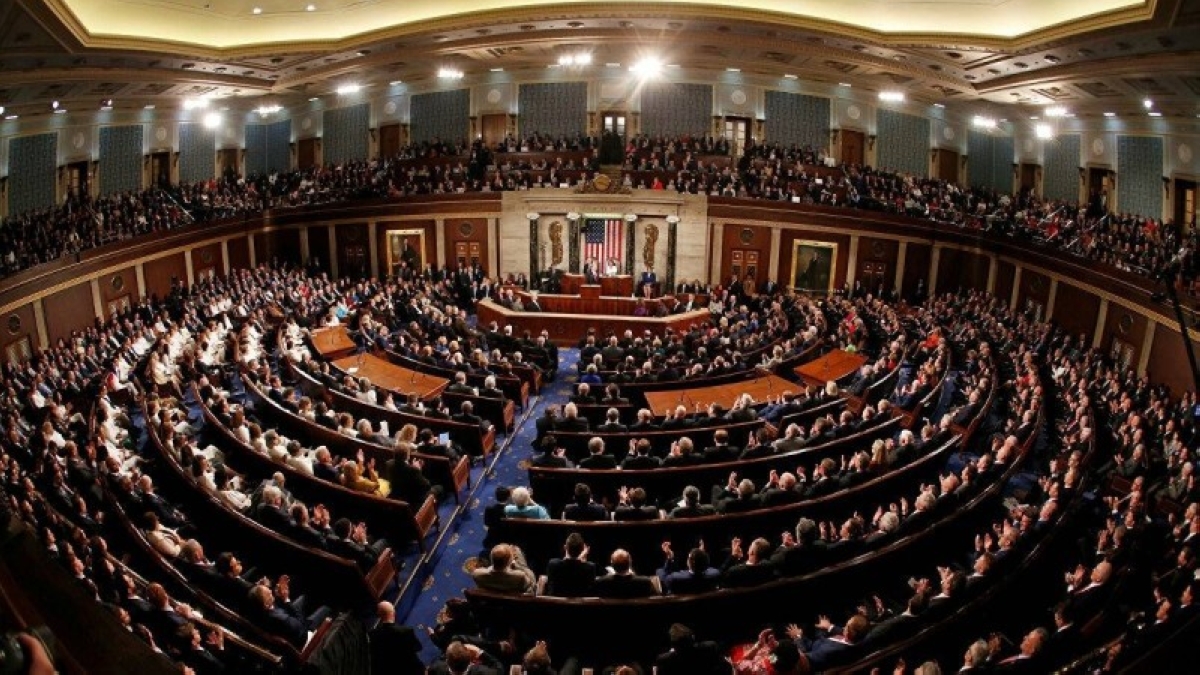
في خطوة نادرة تعكس توتراً داخل الحزب الجمهوري، صوَّت مجلس الشيوخ الأمريكي ضد سياسات الرئيس دونالد ترمب التجارية، مصدقاً بأغلبية 47-51 على قرار يُلغي الرسوم الجمركية «المتبادلة» العالمية التي تُؤثر على أكثر من 100 دولة، والتي فرضها ترمب عبر أمر تنفيذي.
وانضم 4 سيناتوريين جمهوريين إلى جميع الديموقراطيين في هذا التصويت، ما يُمثل الثالثة هذا الأسبوع في سلسلة من التحديات لسياسات ترمب التجارية، بعد قرارين سابقين لإنهاء الرسوم على البرازيل وكندا.
ويُعتبر هذا التصويت نادراً في الفترة الثانية لترمب، حيث انضم السيناتوريون الجمهوريون «سوزان كولينز» من مين، «ميتش ماكونيل» و«راند بول» من كنتاكي، و«ليزا موركوسكي» من ألاسكا إلى الديموقراطيين لمعارضة الرئيس.
ويأتي هذا القرار أثناء ختام ترمب لأسبوعه في آسيا، حيث أبرم صفقة مع الصين لخفض الرسوم على السلع الصينية وشراء الصين فول الصويا الأمريكي –إحدى نقاط التوتر في الحروب التجارية التي أثرت على المزارعين– إضافة إلى تنازلات أخرى.
ورغم هذا الرفض في مجلس الشيوخ، فإن التصويت رمزي إلى حد كبير، إذ لن يتناول مجلس النواب –الذي يسيطر عليه الجمهوريون– أي إجراء مشابه، بسبب قاعدة أقرها الجمهوريون في وقت سابق هذا العام تمنع التصويت على مثل هذه القرارات في الجلسة العامة.
وتُعد هذه القرارات رداً على الرسوم نفسها وعلى تجاوز ترمب صلاحياته الدستورية باتخاذ قرارات تجارية دون موافقة الكونغرس.
وفي تصريحات للصحفيين، قال السيناتور الديموقراطي «تيم كاين» من فرجينيا: «تعَلَّمتُ في الفترة الأولى لترمب أن الرئيس يتفاعل مع مثل هذه الأمور، عندما يرى جمهوريين يصوتون ضد سياساته، حتى لو كانوا قلة، فإن ذلك يُحدث انطباعاً، وغالباً ما يدفعه لتغيير سلوكه».
In a rare move reflecting tension within the Republican Party, the U.S. Senate voted against President Donald Trump's trade policies, approving by a majority of 47-51 a resolution that cancels the global "reciprocal" tariffs affecting over 100 countries, which Trump imposed via executive order.
Four Republican senators joined all the Democrats in this vote, marking the third time this week in a series of challenges to Trump's trade policies, following two previous decisions to end tariffs on Brazil and Canada.
This vote is considered rare in Trump's second term, as Republican senators "Susan Collins" from Maine, "Mitch McConnell" and "Rand Paul" from Kentucky, and "Lisa Murkowski" from Alaska joined the Democrats in opposing the president.
This decision comes as Trump concludes his week in Asia, where he struck a deal with China to reduce tariffs on Chinese goods and for China to purchase American soybeans—one of the points of tension in the trade wars that have affected farmers—along with other concessions.
Despite this rejection in the Senate, the vote is largely symbolic, as the House of Representatives—controlled by Republicans—will not take up any similar measures due to a rule passed by Republicans earlier this year that prevents voting on such resolutions in the general session.
These resolutions are a response to the tariffs themselves and to Trump's overreach of his constitutional powers by making trade decisions without congressional approval.
In statements to reporters, Democratic Senator "Tim Kaine" from Virginia said: "I learned in Trump's first term that the president reacts to such matters; when he sees Republicans voting against his policies, even if they are few, it makes an impression, and often prompts him to change his behavior."