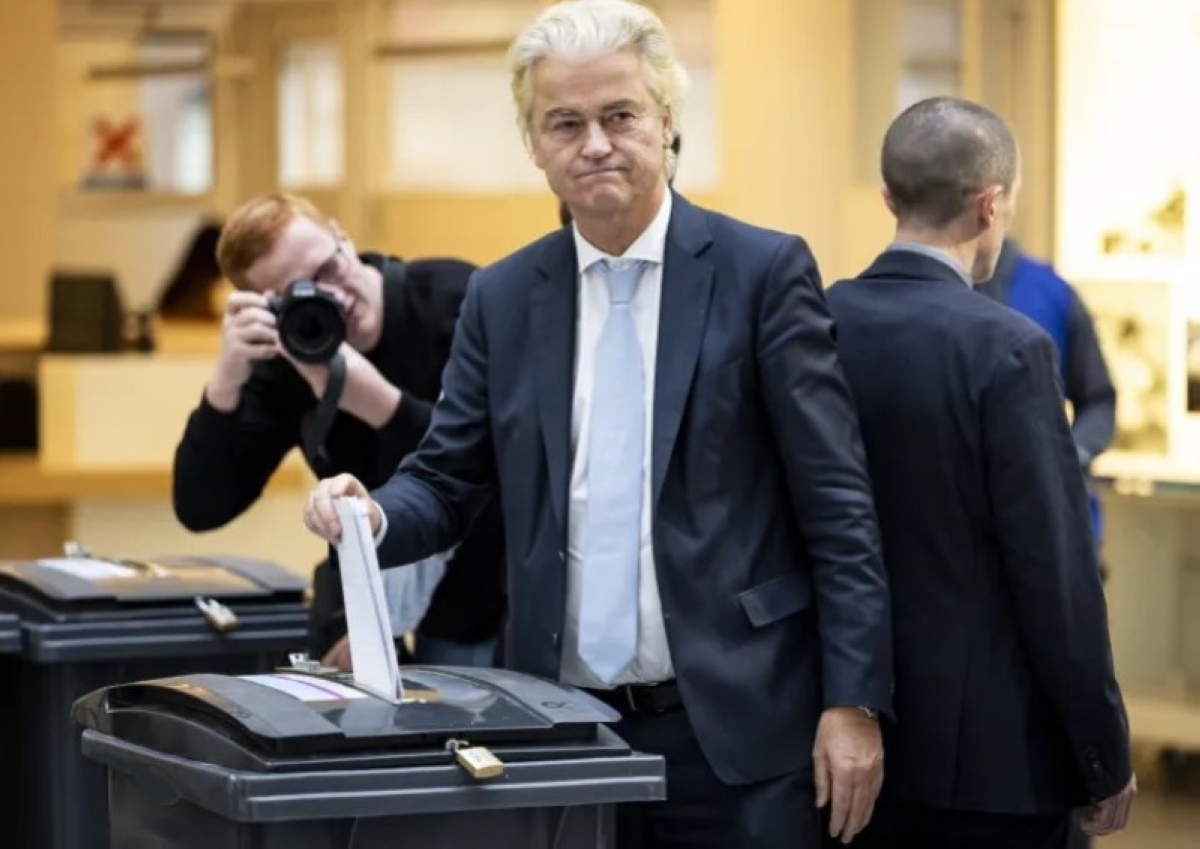
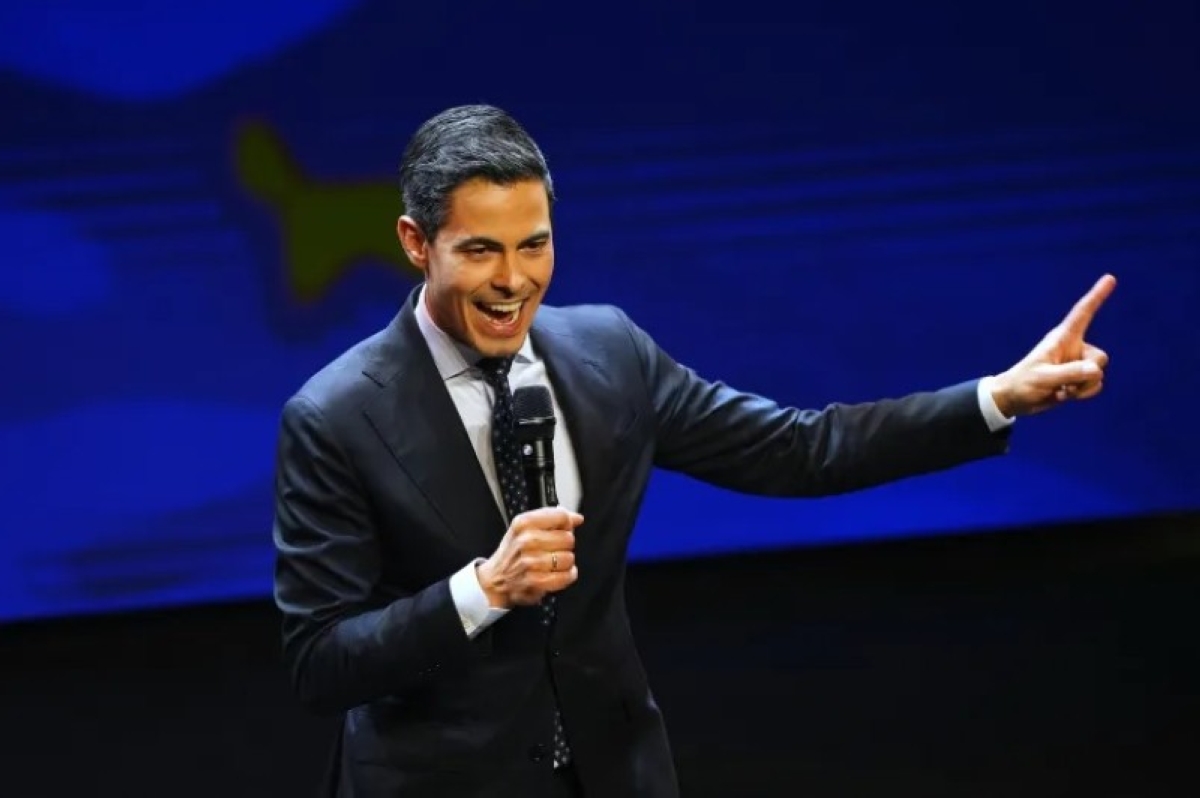
بعد فرز أكثر من 99% من أصوات الناخبين في هولندا، كان حزب الحرية المعادي للإسلام بقيادة خيرت فيلدرز متقدماً بفارق ضئيل عن حزب «دي 66» بقيادة روب يتين البالغ من العمر 38 عاما. وفيما رفضت كل الأحزاب الرئيسية التحالف مع فيلدرز، فإن يتين في طريقه لأن يصبح أصغر رئيس وزراء في تاريخ هولندا، حتى وإن جاء في المركز الثاني. وكان الفارق بين المرشحين قريباً جداً بحيث يمكن أن تحدد أصوات البريد من الخارج النتيجة النهائية، ما يعني أن الإعلان النهائي للنتيجة قد يستغرق أياماً. ومع صعود أحزاب أقصى اليمين في فرنسا وبريطانيا وألمانيا، كانت الانتخابات محل اهتمام كبير باعتبارها مؤشراً على قوة الشعبوية في أوروبا. وعقب نشر استطلاعات الرأي الأولية، انفجر أنصار حزب «دي 66» فرحاً في حفل انتخابي في لايدن، ولوحوا بالأعلام الهولندية والأوروبية. وقال يتين بفرحة غامرة «لقد فعلناها»، وأضاف «هذه نتيجة انتخابية تاريخية لأننا أظهرنا ليس فقط لهولندا بل أيضًا للعالم أنه من الممكن هزيمة الحركات الشعبوية والمتطرفة اليمينية». ومن المتوقع أن يحصل فيلدرز على 26 مقعداً في البرلمان المكون من 150 مقعداً، بخسارة 11 مقعداً مقارنة بانتصاره المثير للجدل في انتخابات عام 2023. وبالتزامن مع ذلك، حقق حزبان آخران في معسكر أقصى اليمين مكاسب، إذ ارتفع عدد مقاعد «منتدى الديمقراطية» من 3 إلى 7، وحزب «جي إيه 21» من مقعد واحد إلى 9. وبعد تأكيد النتيجة النهائية، ستبدأ عملية طويلة لتشكيل ائتلاف، حيث يتطلب الأمر 76 مقعدًا برلمانيًا للحصول على أغلبية. ويعتقد مراقبون أن الاحتمال الأرجح يتمثل في تشكيل «ائتلاف كبير» يضم حزب دي 66 (26 مقعداً)، وحزب «في في دي» الليبرالي (22 مقعداً)، وحزب «سي دي إيه» ذو التوجه اليميني الوسطي (18 مقعداً)، ومجموعة العمال/الخضر اليسارية (20 مقعداً). من جانبه، أعلن فيلدرز أنه سيتولى قيادة الحكومة إذا تبين في النهاية أن حزب الحرية تصدر النتائج، وقال في منشور على منصة إكس «ما دام الأمر لم يُحسم بنسبة 100%، فلا يحق لدي-66 أن يتولى زمام الحكم. سنفعل كل ما بوسعنا لمنع ذلك». وكان فيلدرز، الذي يُطلق عليه أحيانًا «ترمب الهولندي»، قد أسقط الحكومة السابقة، مدعياً أن التقدم كان بطيئًا للغاية في تحقيق «أشد سياسة لجوء على الإطلاق». وقال فيلدرز المعادي للهجرة على وسائل التواصل الاجتماعي «لقد تحدث الناخب. كنا نأمل في نتيجة مختلفة، لكننا تمسكنا بمبادئنا».
After counting more than 99% of the votes in the Netherlands, the Islamophobic Freedom Party, led by Geert Wilders, was slightly ahead of the D66 party, led by 38-year-old Rob Jetten. While all major parties rejected a coalition with Wilders, Jetten is on track to become the youngest Prime Minister in Dutch history, even if he comes in second. The margin between the candidates was so close that overseas mail-in votes could determine the final result, meaning the final announcement could take days. With the rise of far-right parties in France, Britain, and Germany, the elections were of great interest as an indicator of the strength of populism in Europe. Following the release of initial polls, supporters of the D66 party erupted in joy at an election party in Leiden, waving Dutch and European flags. Jetten exclaimed with overwhelming joy, "We did it," adding, "This is a historic electoral result because we have shown not only to the Netherlands but also to the world that it is possible to defeat populist and far-right extremist movements." Wilders is expected to secure 26 seats in the 150-seat parliament, losing 11 seats compared to his controversial victory in the 2023 elections. Concurrently, two other parties in the far-right camp made gains, as the number of seats for the Forum for Democracy rose from 3 to 7, and the JA21 party increased from 1 seat to 9. After the final result is confirmed, a long process to form a coalition will begin, as 76 parliamentary seats are required for a majority. Observers believe the most likely scenario is the formation of a "grand coalition" including the D66 party (26 seats), the liberal VVD party (22 seats), the centrist right CDA party (18 seats), and the leftist labor/green group (20 seats). For his part, Wilders announced that he would lead the government if it turns out that the Freedom Party topped the results, stating in a post on X, "As long as it is not 100% decided, D66 has no right to take the reins of power. We will do everything we can to prevent that." Wilders, who is sometimes referred to as the "Dutch Trump," had previously brought down the last government, claiming that progress was far too slow in achieving "the toughest asylum policy ever." The anti-immigration Wilders said on social media, "The voter has spoken. We hoped for a different outcome, but we stuck to our principles."