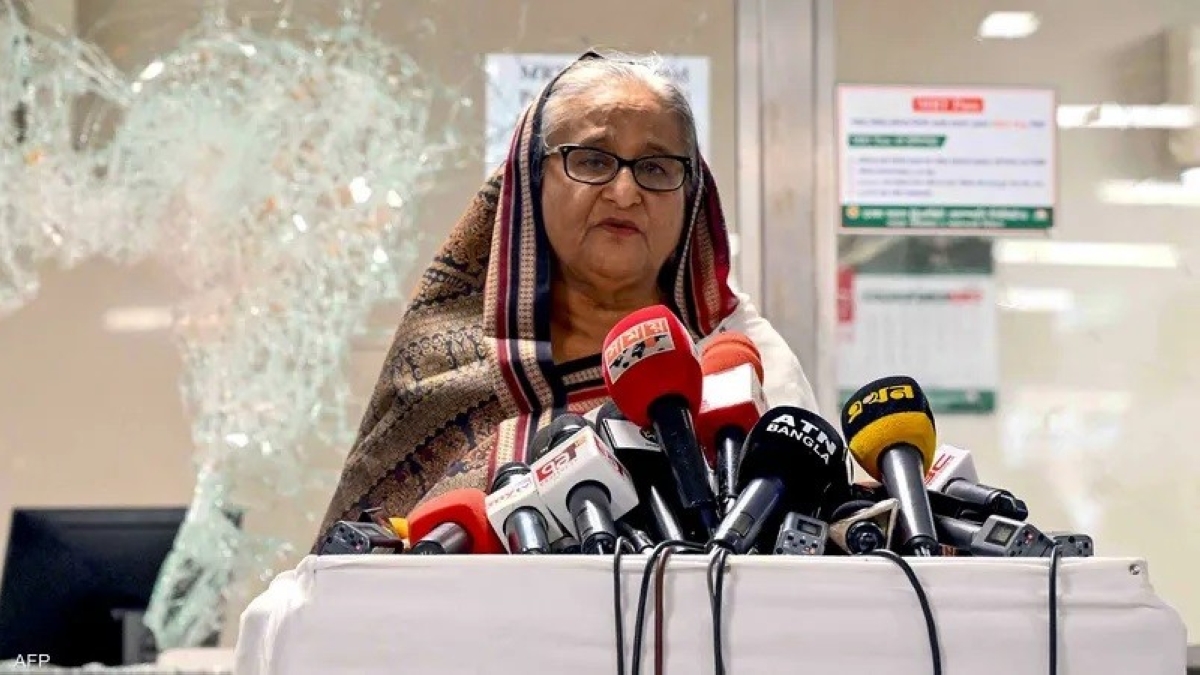
في أول ظهور إعلامي منذ الإطاحة بها، أعلنت رئيسة وزراء بنغلادش السابقة الشيخة حسينة أن ملايين من أنصار حزبها سيقاطعون الانتخابات الوطنية القادمة، احتجاجًا على قرار منع حزب رابطة عوامي من خوض السباق الانتخابي المقرر في فبراير القادم.
وتحدثت الزعيمة البنغالية (78 عامًا) في مقابلة مع وكالة «رويترز» من العاصمة الهندية نيودلهي، مؤكدة أنها لن تعود إلى بلادها تحت أي حكومة تتشكل بعد انتخابات تُستبعد منها جماعتها السياسية، مشيرة إلى أنها تخطط للبقاء في الهند التي لجأت إليها في أغسطس 2024 عقب احتجاجات دامية أطاحت بحكمها المستمر لأكثر من 15 عامًا.
وتشهد بنغلادش منذ ذلك الحين مرحلة انتقالية حساسة تديرها حكومة مؤقتة برئاسة الحائز على جائزة نوبل للسلام محمد يونس، الذي تولى السلطة بعد سقوط حكومة حسينة، متعهدًا بإجراء انتخابات «حرة ونزيهة» تعيد الاستقرار إلى البلاد.
وفي أول تصريحات مكتوبة لها منذ الإطاحة بها، قالت الشيخة حسينة إن «الحظر المفروض على حزب رابطة عوامي ليس ظالمًا فحسب، بل يمثل أيضًا هزيمة ذاتية»، مضيفة أن «أي حكومة لا تستند إلى شرعية انتخابية حقيقية لن تحظى بدعم الشعب».
وأكدت حسينة أن ملايين الناخبين لن يشاركوا في التصويت إذا استمر منع حزبها، مشددة على أن «حرمان الناس من حقوقهم السياسية سيقود إلى أزمة طويلة الأمد».
ويبلغ عدد المسجلين في القوائم الانتخابية لبنغلادش أكثر من 126 مليون ناخب، في وقت يُتوقع أن يحصد حزب بنغلادش الوطني الغالبية في الانتخابات القادمة، مما يعيد تشكيل المشهد السياسي في الدولة الواقعة جنوبي آسيا.
In her first media appearance since being ousted, former Prime Minister of Bangladesh Sheikh Hasina announced that millions of her party's supporters will boycott the upcoming national elections in protest against the decision to bar the Awami League party from participating in the election scheduled for next February.
The Bangladeshi leader (78 years old) spoke in an interview with Reuters from the Indian capital, New Delhi, confirming that she will not return to her country under any government formed after elections from which her political group is excluded, indicating that she plans to remain in India, where she sought refuge in August 2024 following violent protests that ousted her from power after more than 15 years.
Since then, Bangladesh has been undergoing a sensitive transitional phase managed by a caretaker government led by Nobel Peace Prize laureate Muhammad Yunus, who took power after Hasina's government fell, pledging to conduct "free and fair" elections to restore stability to the country.
In her first written statements since her ousting, Sheikh Hasina said that "the ban on the Awami League is not only unjust but also represents a self-defeat," adding that "any government not based on genuine electoral legitimacy will not have the support of the people."
Hasina emphasized that millions of voters will not participate in the voting if her party's ban continues, stressing that "depriving people of their political rights will lead to a long-term crisis."
The number of registered voters in Bangladesh exceeds 126 million, at a time when the Bangladesh Nationalist Party is expected to win the majority in the upcoming elections, reshaping the political landscape in the South Asian nation.