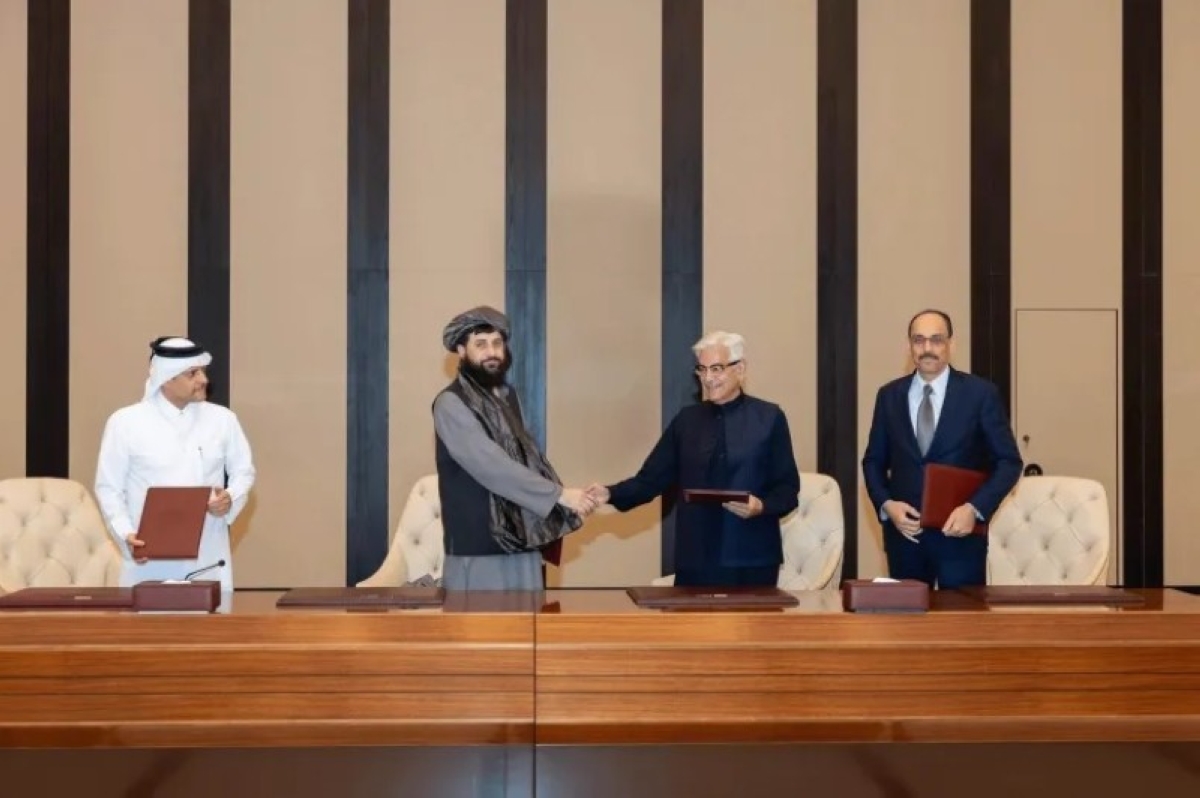
نفت مصادر الحكومة الأفغانية ما جرى تداوله عن تعثّر المفاوضات الجارية مع باكستان في إسطنبول، وأفادت بأن المفاوضات مستمرة لليوم الثالث على التوالي، إلا أنها أقرت بوجود خلافات.
وكانت صحف باكستانية ذكرت، أن وفد إسلام أباد قدّم تحذيراً نهائياً لحكومة طالبان، أمس الأحد، وغادر جلسة المفاوضات، بعد أن طالب بتقديم ضمانات مكتوبة من حكومة طالبان للحد من الإرهاب العابر للحدود.
ونقلت عن مصادر مشاركة في المفاوضات قولها: إن الوفد الباكستاني أكد رفضه القاطع لاستمرار دعم طالبان الأفغانية للجماعات الإرهابية، مشدداً على ضرورة اتخاذ إجراءات ملموسة وحاسمة لتفكيك التنظيمات التي تهاجم إسلام أباد.
وحسب وسائل إعلام أفغانية فإن فريق التفاوض الأفغاني يأمل أن تسفر المحادثات عن نتائج، ونقلت عن مصادر في الوفد الأفغاني تأكيدها «وجود خلافات قليلة بين الجانبين، وتأمل في أن يتم حلها».
وأضافت أن الوفد الأفغاني أكد أن التوتر ليس في مصلحة أي من الجانبين، وأن الوسطاء يتفقون مع هذا الأمر.
وقدم وفد إسلام أباد مقترحاته إلى طالبان السبت، وتركّزت المطالب الأساسية على مواجهة عمليات التسلل والهجمات التي يتم التخطيط لها انطلاقاً من الأراضي الأفغانية.
وانطلقت الجولة الثانية من المفاوضات بين طالبان وباكستان، السبت في تركيا، عقب توقيع الطرفين اتفاق وقف إطلاق النار في الدوحة، الأحد 19 أكتوبر الجاري، إذ يناقشان سبل وآليات تثبيت وتنفيذ الاتفاق، بعد اشتباكات دامية شهدتها الحدود الأفغانية الباكستانية.
وكانت باكستان طالبت حكومة طالبان خلال السنوات الماضية بضرورة اتخاذ إجراءات جدية لإبعاد العناصر الباكستانية من حدودها إلى مناطق في شمال ووسط أفغانستان، لوقف عمليات التسلل على الحدود.
The Afghan government sources denied the rumors about the stalled negotiations with Pakistan in Istanbul, stating that the negotiations are ongoing for the third consecutive day, although they acknowledged the existence of disagreements.
Pakistani newspapers reported that the Islamabad delegation issued a final warning to the Taliban government yesterday, Sunday, and left the negotiation session after demanding written guarantees from the Taliban government to curb cross-border terrorism.
Sources participating in the negotiations stated that the Pakistani delegation firmly rejected the continued support of Afghan Taliban for terrorist groups, emphasizing the need for concrete and decisive actions to dismantle the organizations that attack Islamabad.
According to Afghan media, the Afghan negotiating team hopes that the talks will yield results, and sources within the Afghan delegation confirmed that "there are few disagreements between the two sides, and they hope to resolve them."
They added that the Afghan delegation confirmed that tension is not in the interest of either side, and that the mediators agree with this point.
The Islamabad delegation presented its proposals to the Taliban on Saturday, focusing on the main demands to confront infiltration operations and attacks planned from Afghan territory.
The second round of negotiations between the Taliban and Pakistan began on Saturday in Turkey, following the signing of a ceasefire agreement between the two parties in Doha on Sunday, October 19, during which they discuss ways and mechanisms to stabilize and implement the agreement, after bloody clashes occurred along the Afghan-Pakistani border.
Pakistan has demanded that the Taliban government take serious measures over the past years to remove Pakistani elements from its borders to areas in northern and central Afghanistan, to stop infiltration operations along the border.