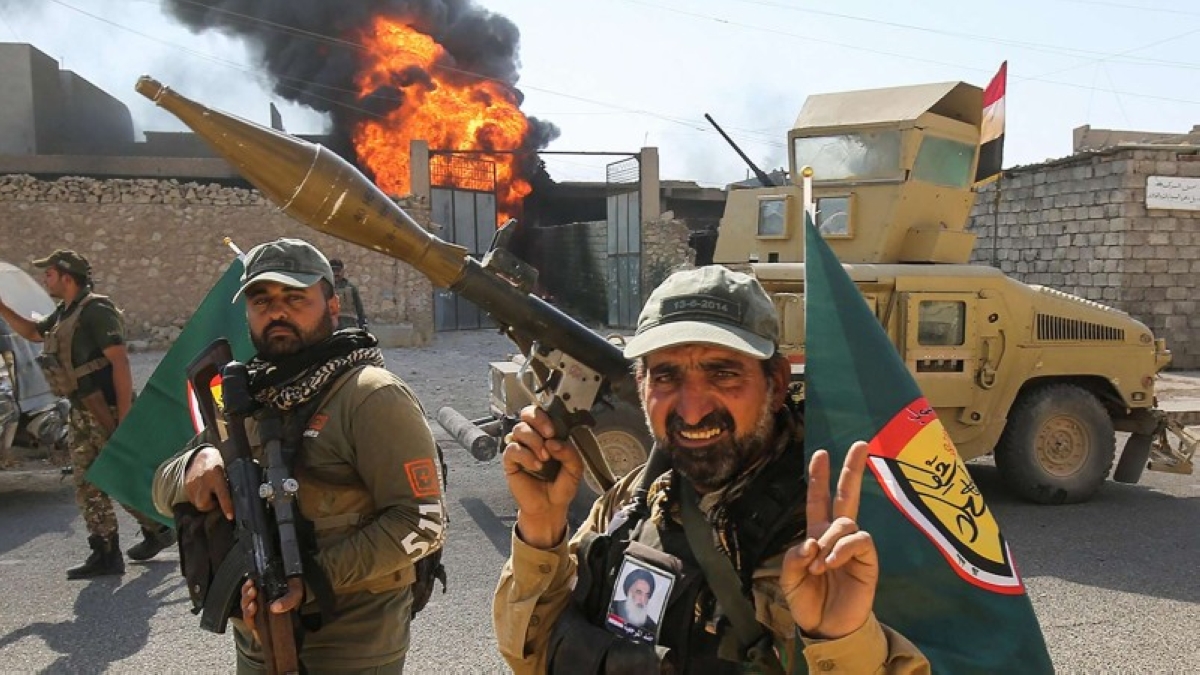
تسبب خلل تقني في خرائط Google Maps العراق في إخلاء مكاتب الفصائل المسلحة التي اعتبرت الأمر تهديداً أمنياً مباشراً لمقارها، وربطته بالتوتر الأمني المتصاعد وتبادل الرسائل الحادة بين واشنطن وطهران خلال الأيام الماضية.
وكشف مصدر مطلع لـ «عكاظ» أن الفصائل المسلّحة ضمن ما يعرف بـ«محور المقاومة» بدأت تنفيذ إجراءات احترازية جديدة شملت مقارها، وراوحت هذه الإجراءات بين الإخلاء الكامل والتواجد بنسبة 20 أو 30% فقط من المجموع الكلي لعناصرها.
وبحسب المصدر، فإن الإجراءات اقتصرت على العناصر البشرية فقط في حين لم تسجل عمليات نقل أو تفريغ للآليات والمركبات من داخل المقرات، ما يشير إلى أن الخطوة تهدف إلى تقليل الخسائر البشرية في حال وقوع ضربات جوية أو استهداف دقيق أكثر من كونها عملية انسحاب ميداني.
في موازاة ذلك، سجل عدد من العراقيين خلال الأيام الخمسة الأخيرة شكاوى من تعطّل تطبيقات الخرائط على الهواتف الذكية، وهي التطبيقات التي تعتمد عليها شركات النقل والتوصيل في عملها اليومي.
ورجّحت صفحات إلكترونية قريبة من الحكومة ومتخصصة بالشأن التقني أن تكون هناك عمليات «تشويش مقصودة» قد تستمر حتى ما بعد الانتخابات المقرّرة في 11 نوفمبر القادم.
وبرّرت تلك الصفحات الإجراءات بأنها تهدف إلى منع استغلال تطبيقات الخرائط في تتبع مراكز الاقتراع أو الشخصيات السياسية خلال فترة الانتخابات، ووصفتها بأنها «إجراءات سيادية» تندرج ضمن ما سمته «مفهوم الأمن الذكي».
ودافعت الصفحات عن هذه الإجراءات بالقول إنها تعكس نضج الأجهزة الأمنية في إدارة التوازن بين الحرية الرقمية والأمن الوطني، بحسب ما ورد في منشوراتها.
تزامنت هذه التطورات مع زيارة قائد فيلق القدس في الحرس الإيراني إسماعيل قاآني لبغداد، رافقته تحذيرات صدرت عن مسؤولين إيرانيين من «مخطط أمريكي لاحتلال العراق»، وفق ما نقل عن لقاء جمع مستشار الأمن القومي قاسم الأعرجي مع رئيس أركان القوات المسلحة الإيرانية اللواء عبدالرحيم موسوي، خلال زيارة الأعرجي الأخيرة إلى طهران.
A technical glitch in Google Maps in Iraq led to the evacuation of the offices of armed factions, which considered the situation a direct security threat to their locations. This was linked to the escalating security tensions and the exchange of sharp messages between Washington and Tehran in recent days.
A knowledgeable source revealed to "Okaz" that the armed factions within what is known as the "Axis of Resistance" began implementing new precautionary measures that included their locations. These measures ranged from complete evacuation to maintaining only 20% or 30% of their total personnel on site.
According to the source, the measures were limited to human elements only, while no transfers or unloading of vehicles from inside the premises were recorded, indicating that the step aims to reduce human losses in the event of airstrikes or precise targeting rather than being a field withdrawal operation.
In parallel, a number of Iraqis reported complaints over the past five days about the malfunctioning of map applications on smartphones, which are relied upon by transportation and delivery companies in their daily operations.
Electronic pages close to the government and specialized in technical affairs suggested that there might be "intentional jamming" operations that could continue even after the elections scheduled for November 11.
These pages justified the measures by stating that they aim to prevent the exploitation of map applications to track polling centers or political figures during the election period, describing them as "sovereign measures" that fall under what they called the "smart security concept."
The pages defended these measures by saying they reflect the maturity of security agencies in managing the balance between digital freedom and national security, according to their posts.
These developments coincided with the visit of the commander of the Quds Force in the Iranian Revolutionary Guard, Ismail Qaani, to Baghdad, accompanied by warnings from Iranian officials about a "U.S. plan to occupy Iraq," according to reports from a meeting between National Security Advisor Qasim al-Araji and Iranian Armed Forces Chief of Staff Major General Abdolrahim Mousavi during al-Araji's recent visit to Tehran.