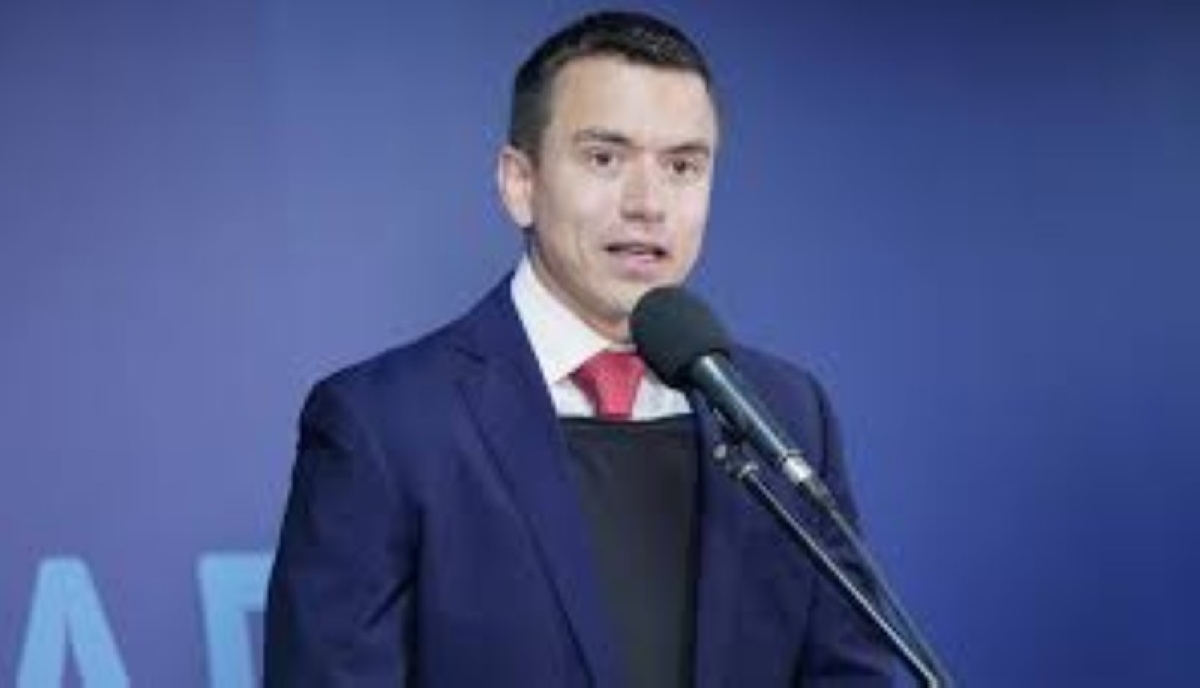
كشف رئيس الإكوادور دانيال نوبوا أنه تعرض لمحاولة تسميم من خلال قطع شوكولاتة وحلويات أعطيت له في حفلة عامة، وتبيّن أنها تحتوي على «ثلاث مواد كيميائية».
وقال نوبوا في مقابلة مع شبكة «سي إن إن»: إن وجود هذه العناصر الكيميائية «بتركيز عال يدلّ على أن الأمر متعمّد»، لكنه لم يوجه أصابع الاتهام لأية جماعة .
يذكر أن هذه المرة الثانية التي تتقدم فيها الحكومة بشكوى عن محاولة اغتيال للرئيس، فيما تشهد البلاد مظاهرات كثيرة لجماعات السكان الأصليين احتجاجا على السياسات العامة.
مظاهرات اعتراضا على قرار إلغاء الدعم
وتشهد الإكوادور احتجاجات منذ 18 من الشهر الماضي، بقيادة أكبر منظمة للسكان الأصليين في البلاد رفضا لقرار الرئيس دانييل نوبوا إلغاء دعم الوقود الحكومي على الديزل.
وكان رئيس الإكوادور نوبوا ألغى دعم الوقود المستمر منذ عقود في 12 سبتمبر، ما رفع أسعار الوقود بأكثر من 50%، مبررا القرار بأن الدعم يكلف الدولة 1.1 مليار دولار سنويا وهو ما عده مؤثرا على استدامة المالية العامة، وردت عليه منظمات وعمال بإعلان احتجاجات فورية.
واعتبرت منظمة هيومن رايتس ووتش، أنه بالرغم من لجوء بعض المحتجين إلى العنف، فإن معظم المظاهرات كانت سلمية، وردت الحكومة عليها بنشر الجيش الذي استخدم القوة المفرطة ضد المتظاهرين في عدة مناسبات.
وقالت مديرة قسم الأمريكيتين في المنظمة خوانيتا غويبيرتوس: إن حكومة الإكوادور مطالبة باحترام حقوق المحتجين ومعالجة الأسباب التي تدفع المواطنين للنزول إلى الشارع بشكل دوري.
President of Ecuador Daniel Noboa revealed that he was the target of a poisoning attempt through chocolate and sweets given to him at a public event, which were found to contain "three chemical substances."
Noboa stated in an interview with CNN that the presence of these chemical elements "in high concentration indicates that it was intentional," but he did not point fingers at any group.
It is noteworthy that this is the second time the government has filed a complaint about an assassination attempt on the president, while the country is witnessing numerous protests from indigenous groups against public policies.
مظاهرات اعتراضا على قرار إلغاء الدعم
Ecuador has been experiencing protests since the 18th of last month, led by the largest indigenous organization in the country, in rejection of President Daniel Noboa's decision to eliminate government fuel subsidies on diesel.
President Noboa canceled the decades-long fuel subsidy on September 12, which raised fuel prices by more than 50%, justifying the decision by stating that the subsidy costs the state $1.1 billion annually, which he deemed detrimental to the sustainability of public finances. In response, organizations and workers announced immediate protests.
Human Rights Watch considered that despite some protesters resorting to violence, most demonstrations were peaceful, and the government responded by deploying the military, which used excessive force against demonstrators on several occasions.
Juanita Goebertus, the director of the Americas division at the organization, stated that the Ecuadorian government is obligated to respect the rights of protesters and address the underlying causes that drive citizens to take to the streets regularly.