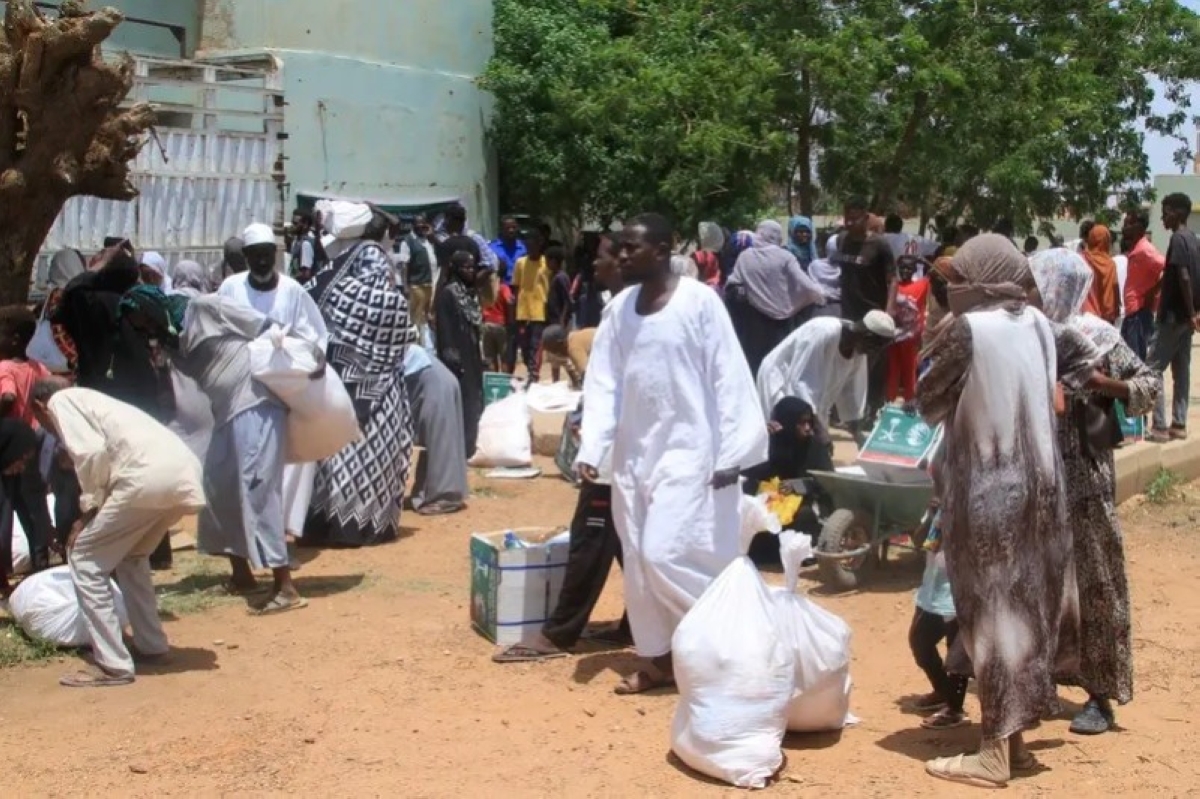
حذرت أربع وكالات أممية من أن أكثر من 30 مليون شخص في السودان بحاجة عاجلة إلى مساعدات إنسانية، بينهم نحو 9.6 مليون نازح داخليًا ونحو 15 مليون طفل، في واحدة من أسوأ الأزمات في العالم اليوم.
تحرك عاجل لإنقاذ الملايين
وفي بيان مشترك صدر في نيويورك، دعت المنظمة الدولية للهجرة ومفوضية الأمم المتحدة لشؤون اللاجئين واليونيسف وبرنامج الأغذية العالمي، مساء أمس (الخميس)، إلى تحرك دولي عاجل لإنقاذ ملايين المدنيين العالقين بين نيران الحرب المستمرة منذ أبريل 2023.
وأكدت أن أكثر من 900 يوم من القتال، والانتهاكات واسعة النطاق لحقوق الإنسان، والمجاعة، وانهيار الخدمات الحيوية، دفعت الملايين إلى حافة البقاء على قيد الحياة، خصوصًا النساء والأطفال.
وتحدث مسؤولو الوكالات عن زيارات ميدانية حديثة إلى ولايات دارفور والخرطوم وكردفان، إذ شاهدوا دمارًا هائلًا وانهيارًا كاملاً في الخدمات الصحية والتعليمية. وأكدوا أن الوضع كارثي ومفتوح على الأسوأ.
الجوع يفتك بالأطفال
ووفق البيان، فإن مدينة الفاشر، آخر معاقل الجيش السوداني في إقليم دارفور، يعيش فيها أكثر من 250 ألف مدني، نصفهم من الأطفال، تحت حصار خانق تفرضه قوات الدعم السريع منذ أكثر من 16 شهرًا.
وحذرت الأمم المتحدة من أن المدينة باتت على شفا مجاعة، بعد أن انهارت المرافق الصحية ونفد الغذاء والدواء، ما يعرّض آلاف الأطفال لخطر الموت الوشيك نتيجة سوء التغذية الحاد.
وقال نائب المدير العام للعمليات في المنظمة الدولية للهجرة أوغوتشي دانيلز: «التقينا عائلات عادت إلى مدن مدمّرة بالكامل، بلا ماء ولا كهرباء، حيث المستشفيات متوقفة والمدارس مغلقة، ومع ذلك تحاول هذه الأسر إعادة بناء حياتها من الصفر».
الوكالات الأممية أكدت أن الوضع الغذائي في أنحاء السودان يشهد تدهورًا متسارعًا، إذ تم تأكيد وقوع مجاعة في مناطق متفرقة العام الماضي، بينما لا تزال معدلات الجوع وسوء التغذية كارثية.
فجوة تمويل ضخمة
وبحسب خطة الأمم المتحدة للاستجابة الإنسانية لعام 2025، تحتاج المنظمات إلى 4.2 مليار دولار لتلبية الاحتياجات الأساسية لنحو 21 مليون سوداني، إلا أن أن ربع المبلغ فقط تم تأمينه حتى الآن، ما يعطل جهود الإغاثة ويهدد حياة الملايين.
وكشفت التقارير أن التمويل غير الكافي وصعوبة الوصول إلى المناطق المتضررة بسبب القتال المستمر، يجعلان من كل عملية إغاثة مخاطرة حقيقية. وأكد مراقبون أن الأزمة لم تعد إنسانية فقط، بل وجودية بالنسبة للمجتمع السوداني الذي ينهار بوتيرة متسارعة.
اجتماع اللجنة الرباعية
وفي موازاة التحذيرات الأممية، أعلن مسؤول دبلوماسي أن دول الرباعية (الولايات المتحدة والسعودية والإمارات ومصر) ستجتمع اليوم (الجمعة) في واشنطن مع ممثلين عن الجيش السوداني وقوات الدعم السريع لدفع الطرفين إلى هدنة إنسانية تمتد لثلاثة أشهر.
وقال المسؤول إن الهدف هو الضغط بشكل موحّد لتثبيت وقف إطلاق النار والسماح بدخول المساعدات الإنسانية إلى المدنيين، في وقت تستمر فيه الغارات بالطائرات المسيّرة على العاصمة الخرطوم لليوم الثالث على التوالي.
وكانت اللجنة الرباعية أصدرت في سبتمبر الماضي بيانًا مشتركًا دعت فيه إلى هدنة إنسانية يتبعها وقف دائم لإطلاق النار، ثم فترة انتقالية نحو حكم مدني تمتد تسعة أشهر. لكنّ الحرب لا تزال مستعرة، وسط اتهامات متبادلة بارتكاب انتهاكات ضد المدنيين.
Four UN agencies have warned that more than 30 million people in Sudan urgently need humanitarian assistance, including about 9.6 million internally displaced persons and around 15 million children, in one of the worst crises in the world today.
Urgent Action to Save Millions
In a joint statement issued in New York, the International Organization for Migration, the UN Refugee Agency, UNICEF, and the World Food Programme called last night (Thursday) for urgent international action to save millions of civilians caught in the crossfire of the ongoing war since April 2023.
They confirmed that more than 900 days of fighting, widespread human rights violations, famine, and the collapse of vital services have pushed millions to the brink of survival, especially women and children.
Agency officials spoke about recent field visits to the states of Darfur, Khartoum, and Kordofan, where they witnessed massive destruction and a complete breakdown of health and educational services. They emphasized that the situation is catastrophic and open to worsening.
Hunger Devastates Children
According to the statement, the city of El Fasher, the last stronghold of the Sudanese army in the Darfur region, is home to more than 250,000 civilians, half of whom are children, living under a suffocating siege imposed by the Rapid Support Forces for more than 16 months.
The United Nations warned that the city is on the brink of famine, as health facilities have collapsed and food and medicine have run out, putting thousands of children at imminent risk of death due to acute malnutrition.
Oguchi Daniels, Deputy Director General for Operations at the International Organization for Migration, said: “We met families who returned to completely destroyed cities, with no water or electricity, where hospitals are shut down and schools are closed, yet these families are trying to rebuild their lives from scratch.”
The UN agencies confirmed that the food situation across Sudan is deteriorating rapidly, with famine confirmed in scattered areas last year, while hunger and malnutrition rates remain catastrophic.
Massive Funding Gap
According to the UN's Humanitarian Response Plan for 2025, organizations need $4.2 billion to meet the basic needs of about 21 million Sudanese, but only a quarter of that amount has been secured so far, hindering relief efforts and threatening the lives of millions.
Reports revealed that inadequate funding and difficulty accessing affected areas due to ongoing fighting make every relief operation a real risk. Observers confirmed that the crisis is no longer just humanitarian but existential for the Sudanese society that is collapsing at an accelerating pace.
Meeting of the Quartet Committee
Alongside the UN warnings, a diplomatic official announced that the Quartet countries (the United States, Saudi Arabia, the UAE, and Egypt) will meet today (Friday) in Washington with representatives of the Sudanese army and the Rapid Support Forces to push both parties towards a humanitarian ceasefire lasting three months.
The official stated that the goal is to apply unified pressure to establish a ceasefire and allow humanitarian aid to reach civilians, as drone strikes continue on the capital Khartoum for the third consecutive day.
The Quartet had issued a joint statement last September calling for a humanitarian ceasefire followed by a permanent ceasefire, and then a transitional period towards civilian rule lasting nine months. However, the war continues to rage, amid mutual accusations of committing violations against civilians.