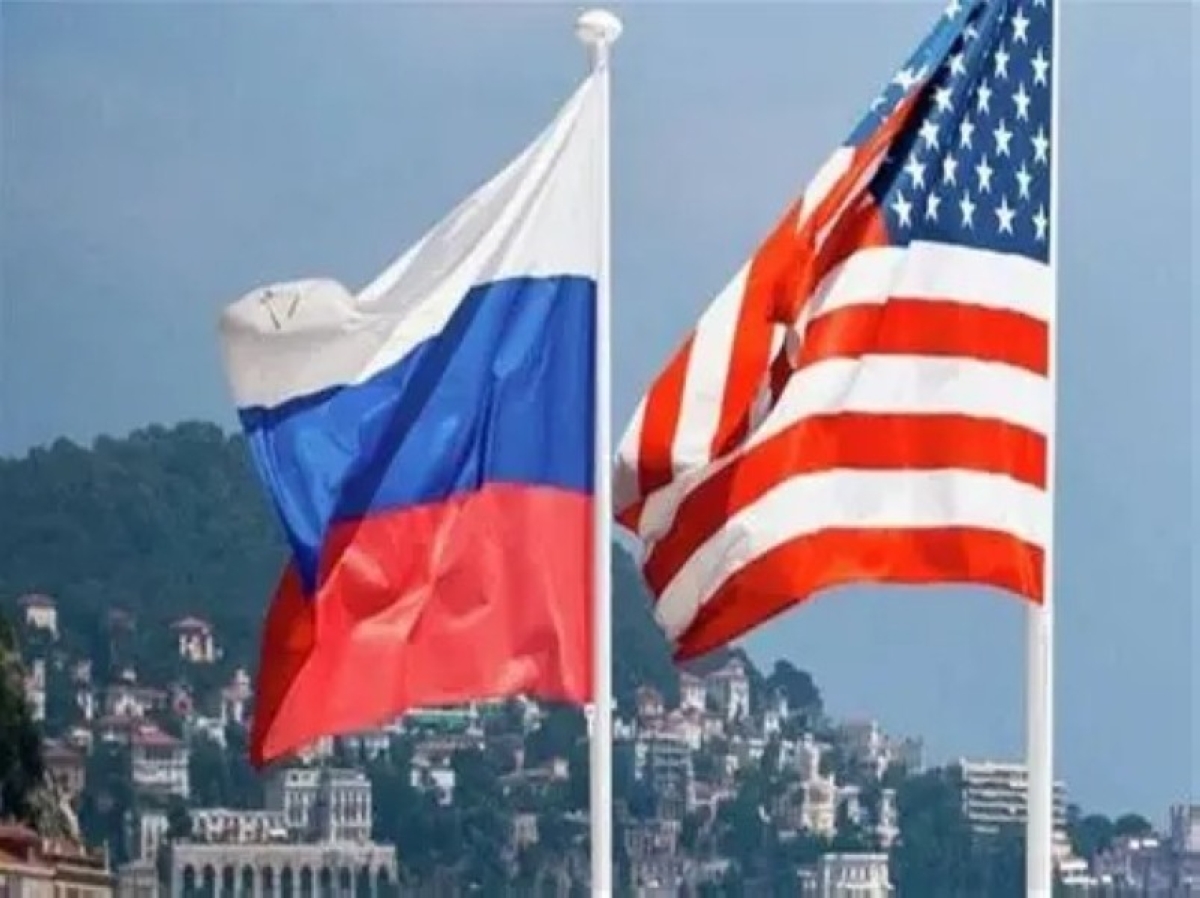
في رد حاد على تصعيد التوترات بين موسكو وواشنطن، حذر المدير العام لمؤسسة «روساتوم» الروسية للطاقة الذرية أليكسي ليخاتشوف، من أن أي توتر إضافي في العلاقات مع الولايات المتحدة سيؤدي «عاجلا أم آجلا» إلى تداعيات سلبية على إمدادات اليورانيوم المخصب إليها، رغم أن العقوبات الجديدة لا تستهدف قطاع الطاقة النووية مباشرة.
وجاء هذا التحذير في تصريحات لليخاتشوف ردا على سؤال حول احتمال تأثر الصادرات النووية بالعقوبات الأمريكية، مشيرا إلى أن «السياسيين في واشنطن يخاطرون بأمن الطاقة الأمريكي نفسه».
وتأتي هذه التصريحات بعد إعلان الرئيس الأمريكي دونالد ترمب عقوبات جديدة طالت عملاقي النفط الروسيين «روسنفت» و«لوك أويل» وفروعهما، إضافة إلى إلغاء لقائه المرتقب مع الرئيس الروسي فلاديمير بوتين في بودابست، مع تأكيد نيته الاجتماع معه في وقت لاحق.
ووفقا لتقارير من وزارة الخزانة الأمريكية، فرضت العقوبات تجميدا لأصول الشركتين في الولايات المتحدة، وحظرت الشركات والأفراد الأمريكيين من التعامل معهما، بهدف زيادة الضغط على الكرملين للانخراط في عملية سلام حقيقية في أوكرانيا.
وأدى ذلك إلى ارتفاع أسعار النفط بنسبة تصل إلى 3.5% في الأسواق العالمية، مع مخاوف من تأثير ثانوي على البنوك والموردين في دول مثل الصين والهند وتركيا.
أما ليخاتشوف، فقد أكد أن «روساتوم» ستستمر في التوريدات الحالية، لكنه حذر من أن «التصعيد السياسي سيجعل الاستمرارية صعبة، مما يهدد 20% من احتياجات الطاقة النووية الأمريكية».
وبدأت التوترات النووية بين الولايات المتحدة وروسيا مع فرض حظر أمريكي على واردات اليورانيوم الروسي في مايو 2024، كجزء من جهود تقليل الاعتماد على موسكو، لكن مع استثناءات تصل إلى 2028 لتجنب اضطرابات في قطاع الطاقة.
وردت روسيا في نوفمبر 2024 بحظر مؤقت على الصادرات حتى نهاية 2025، مع إمكانية الترخيص الفردي، مما أدى إلى انخفاض الواردات الأمريكية بنسبة ملحوظة في الربع الأول من 2025، ومع ذلك، استمرت التوريدات تحت التراخيص الخاصة، إذ يشكل اليورانيوم الروسي نحو 25% من احتياجات الولايات المتحدة، وتسيطر «روساتوم» على 36% من سوق الإثراء العالمي، مما يجعل البدائل مكلفة وطويلة الأمد.
وتعتبر «روساتوم»، التي أسست في 2007، عملاقا نوويا يبني محطات في دول مثل تركيا وهنغاريا والصين ومصر، ويحقق إيرادات سنوية تصل إلى 18 مليار دولار، معتمدا على الصادرات إلى «دول غير صديقة» بنسبة 20%.
In a sharp response to the escalating tensions between Moscow and Washington, Alexey Likhachev, the general director of the Russian state atomic energy corporation "Rosatom," warned that any further strain in relations with the United States will lead "sooner or later" to negative repercussions on the supply of enriched uranium to it, despite the new sanctions not directly targeting the nuclear energy sector.
This warning came in Likhachev's statements in response to a question about the potential impact of American sanctions on nuclear exports, noting that "politicians in Washington are risking American energy security itself."
These statements follow the announcement by U.S. President Donald Trump of new sanctions targeting the Russian oil giants "Rosneft" and "Lukoil" and their subsidiaries, in addition to canceling his anticipated meeting with Russian President Vladimir Putin in Budapest, while confirming his intention to meet with him later.
According to reports from the U.S. Treasury Department, the sanctions froze the assets of the two companies in the United States and prohibited American companies and individuals from dealing with them, aiming to increase pressure on the Kremlin to engage in a genuine peace process in Ukraine.
This led to a rise in oil prices by up to 3.5% in global markets, amid fears of secondary effects on banks and suppliers in countries such as China, India, and Turkey.
As for Likhachev, he confirmed that "Rosatom" will continue its current supplies, but warned that "political escalation will make continuity difficult, threatening 20% of U.S. nuclear energy needs."
The nuclear tensions between the United States and Russia began with the U.S. ban on imports of Russian uranium in May 2024, as part of efforts to reduce dependence on Moscow, but with exceptions extending to 2028 to avoid disruptions in the energy sector.
Russia responded in November 2024 with a temporary ban on exports until the end of 2025, with the possibility of individual licensing, leading to a significant decline in U.S. imports in the first quarter of 2025. However, supplies continued under special licenses, as Russian uranium accounts for about 25% of U.S. needs, and "Rosatom" controls 36% of the global enrichment market, making alternatives costly and long-term.
"Rosatom," established in 2007, is a nuclear giant building plants in countries such as Turkey, Hungary, China, and Egypt, generating annual revenues of up to $18 billion, relying on exports to "unfriendly countries" for 20% of its business.