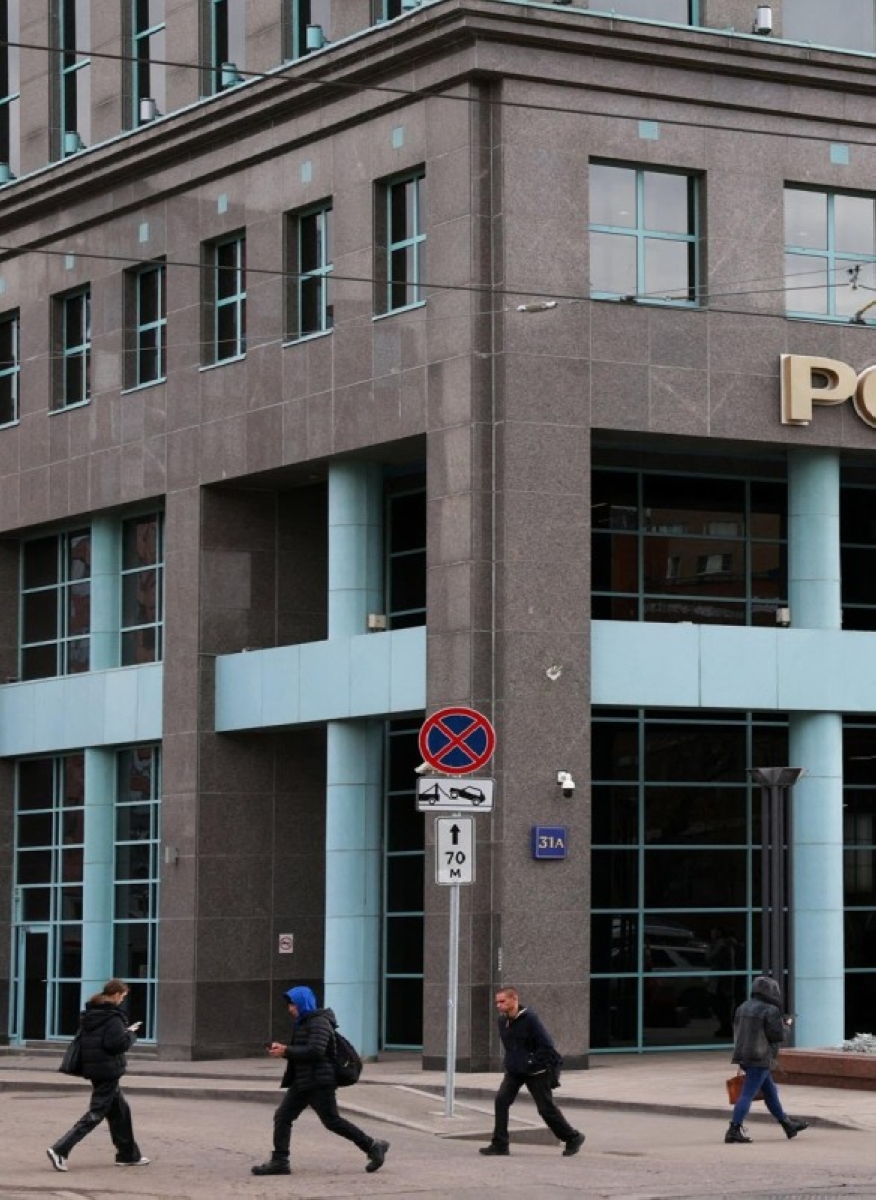
استفاق الروس، اليوم (الخميس)، على صدمة جديدة، بعدما فرض الرئيس الأمريكي دونالد ترمب عقوبات حادة على عملاقي النفط الروسيين «روسنفت» و«لوك أويل»، في تصعيد غير مسبوق خلال ولايته الثانية ضد موسكو. تأتي هذه الخطوة وسط تصاعد التوترات حول الصراع الروسي-الأوكراني، إذ يسعى ترمب إلى ممارسة ضغط اقتصادي لإجبار الرئيس فلاديمير بوتين على إعادة النظر في أهدافه العسكرية.
على الرغم من ردود الفعل الهادئة نسبيا داخل روسيا، إلا أن خبراء يؤكدون أن هذه العقوبات تستهدف صميم الاقتصاد الروسي الذي يعتمد بشكل كبير على عائدات النفط والغاز. ومع ذلك، يشير محللون روس إلى قدرة شركات النفط الروسية على التكيف مع القيود من خلال استخدام أساطيل قديمة والتعامل عبر شركات وسيطة في دول ثالثة، مما قد يحد من فعالية العقوبات.
وفي الأسواق العالمية، ارتفعت أسعار النفط بشكل ملحوظ، مما يعكس المخاوف من تأثير العقوبات على الإمدادات النفطية، خصوصا أن روسيا تمثل نحو 9% من صادرات النفط العالمية. وقد جاء هذا التصعيد بعد فترة من التوترات الدبلوماسية، إذ ألغى ترمب لقاء كان مقررا مع بوتين في بودابست، معبرا عن إحباطه من عدم إحراز تقدم في المفاوضات.
من جهته، رحب الرئيس الأوكراني فولوديمير زيلينسكي بالعقوبات الأمريكية الجديدة، واصفا إياها بأنها خطوة ضرورية لعقاب روسيا على استمرارها في الحرب، لكنه شدد على أن الدعم العسكري، لا سيما توفير صواريخ «توماهوك» طويلة المدى، هو الحل الأنجع لوقف العدوان الروسي وإجباره على الجلوس إلى طاولة المفاوضات.
في الوقت ذاته، أطلقت دول الاتحاد الأوروبي جولة جديدة من العقوبات التي تستهدف الغاز الطبيعي الروسي والبنوك، في محاولة مشتركة لتعزيز الضغط على موسكو. لكن يبقى السؤال الأكبر: هل ستنجح هذه الإجراءات في تغيير مواقف بوتين أم ستظل موسكو صامدة على طريقها؟
The Russians woke up today (Thursday) to a new shock after U.S. President Donald Trump imposed severe sanctions on the two Russian oil giants, "Rosneft" and "Lukoil," in an unprecedented escalation during his second term against Moscow. This move comes amid rising tensions over the Russian-Ukrainian conflict, as Trump seeks to exert economic pressure to force President Vladimir Putin to reconsider his military objectives.
Despite relatively calm reactions within Russia, experts confirm that these sanctions target the core of the Russian economy, which heavily relies on oil and gas revenues. However, Russian analysts point to the ability of Russian oil companies to adapt to the restrictions by using older fleets and dealing through intermediary companies in third countries, which may limit the effectiveness of the sanctions.
In global markets, oil prices rose significantly, reflecting concerns about the impact of the sanctions on oil supplies, especially since Russia accounts for about 9% of global oil exports. This escalation came after a period of diplomatic tensions, as Trump canceled a scheduled meeting with Putin in Budapest, expressing his frustration over the lack of progress in negotiations.
For his part, Ukrainian President Volodymyr Zelensky welcomed the new U.S. sanctions, describing them as a necessary step to punish Russia for its continued war, but he emphasized that military support, particularly the provision of long-range "Tomahawk" missiles, is the most effective solution to stop Russian aggression and force it to sit at the negotiating table.
At the same time, European Union countries launched a new round of sanctions targeting Russian natural gas and banks, in a joint effort to increase pressure on Moscow. But the bigger question remains: Will these measures succeed in changing Putin's positions, or will Moscow remain steadfast on its path?