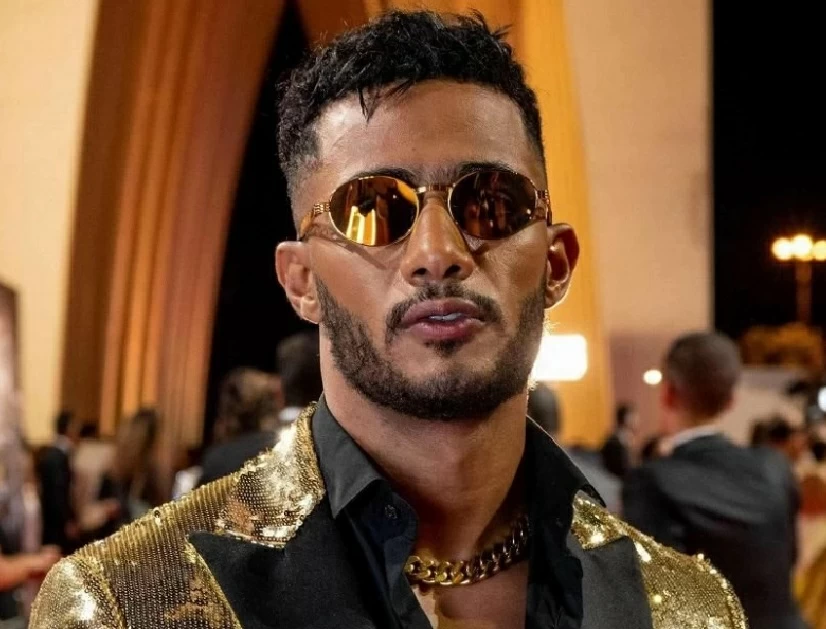
عاد اسم الفنان محمد رمضان إلى دائرة الجدل مجدداً، بعدما تقدم محامٍ ببلاغ إلى النائب العام على خلفية مقطع فيديو متداول عبر منصات التواصل الاجتماعي، مطالباً بالتحقيق في محتواه وما إذا كان يتضمن أفعالاً قد تندرج تحت طائلة القانون.
وجاء التحرك القانوني بعد انتشار فيديو ظهر فيه رمضان وهو يرقص على أنغام أغنيته (حتى السوشي مبكلوشي)، حيث اعتبر مقدم البلاغ أن بعض التصرفات الواردة بالمقطع تستوجب فحصها قانونياً للتحقق من مدى توافقها مع القوانين المنظمة للآداب العامة.
وأعلن المحامي هيثم محمد بسام تقدمه ببلاغ رسمي، طالب فيه باتخاذ الإجراءات اللازمة وفحص المقاطع المتداولة للوقوف على طبيعتها وما إذا كانت تستوجب المساءلة القانونية.
وأشار البلاغ إلى أن الفيديو المتداول تضمّن مشاهد رأى مقدم الشكوى أنها قد تندرج ضمن الأفعال المعاقب عليها قانوناً حال توافرت أركان الجريمة وثبتت العلانية والقصد الجنائي، مطالباً بفتح تحقيق في الواقعة.
وأكد المحامي أن البلاغ لا يستهدف تقييد الإبداع الفني أو التدخل في الحرية الشخصية، وإنما يستند إلى وقائع مادية جرى تداولها بصورة علنية وعلى نطاق واسع عبر منصات التواصل الاجتماعي، بحسب ما ورد في نص الشكوى.
واستند مقدم البلاغ إلى عدد من مواد قانون العقوبات؛ من بينها النصوص المتعلقة بالفعل الفاضح العلني ونشر أو تداول المواد التي قد تُعد خادشة للحياء أو منافية للآداب العامة.
كما طالب باتخاذ ما تراه جهات التحقيق مناسباً من إجراءات قانونية وفنية، وسماع أقوال الفنان محمد رمضان، إلى جانب فحص ملابسات تصوير ونشر وتداول المقطع المتداول على مواقع التواصل الاجتماعي.
The name of the artist Mohamed Ramadan has returned to the center of controversy once again, after a lawyer filed a complaint with the public prosecutor regarding a video circulating on social media platforms, calling for an investigation into its content and whether it includes actions that may fall under the law.
The legal move came after a video surfaced showing Ramadan dancing to the tune of his song (I Don't Even Eat Sushi), where the complainant considered that some of the behaviors depicted in the clip warrant legal examination to verify their compliance with the laws governing public morals.
Lawyer Haitham Mohamed Bassam announced that he had submitted an official complaint, requesting necessary actions to be taken and the circulated clips to be examined to determine their nature and whether they warrant legal accountability.
The complaint indicated that the circulating video contained scenes that the complainant believed could fall under legally punishable actions if the elements of the crime were present and the publicity and criminal intent were established, calling for an investigation into the incident.
The lawyer emphasized that the complaint does not aim to restrict artistic creativity or interfere with personal freedom, but rather is based on material facts that have been publicly circulated widely on social media platforms, according to the text of the complaint.
The complainant referenced several articles of the penal code, including provisions related to public indecency and the publication or circulation of materials that may be deemed offensive to public decency or contrary to public morals.
He also requested that the investigative authorities take appropriate legal and technical measures, hear the statements of artist Mohamed Ramadan, and examine the circumstances surrounding the filming, publication, and circulation of the video on social media.