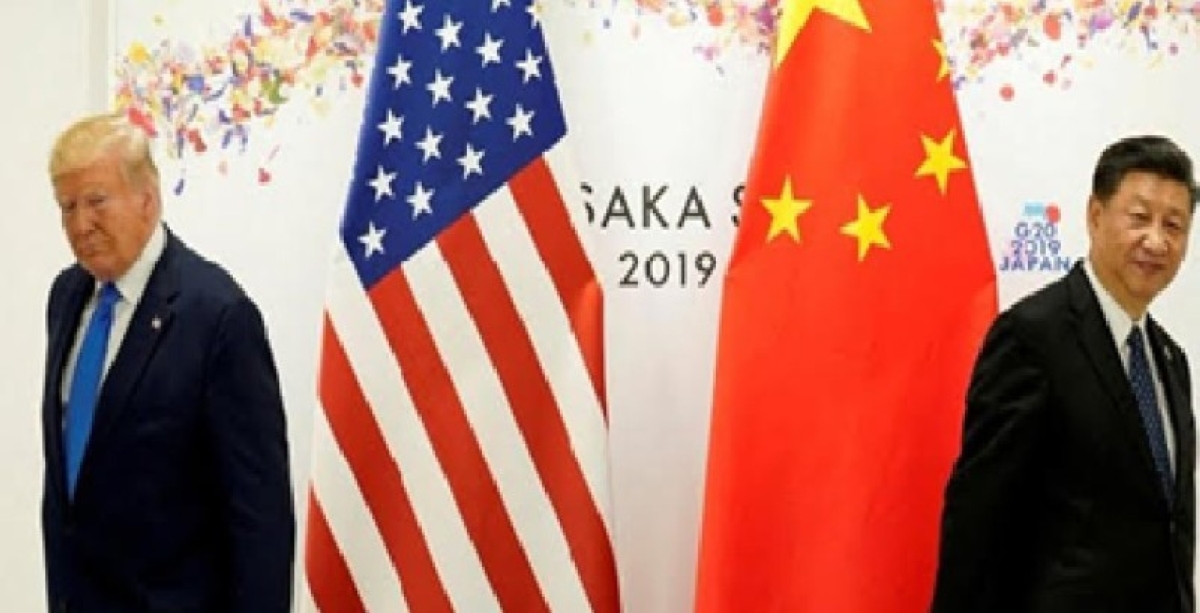
قبل أيام قليلة من القمة المنتظرة بين الرئيس الصيني شي جين بينغ ونظيره الأمريكي دونالد ترمب، تصاعد التوتر بين القوتين الاقتصاديتين الأكبر في العالم إلى مستوى غير مسبوق، مهددا بنسف أي آمال في اتفاق تجاري قريب. لكن الرئيس الأمريكي دونالد ترمب، اليوم (الخميس)، أكد أنه يتوقع التوصل إلى اتفاقات مهمة مع الرئيس الصيني شي جين بينغ خلال لقائهما المرتقب في كوريا الجنوبية الأسبوع القادم. وستشمل المحادثات استئناف بكين شراء فول الصويا الأمريكي، واتفاقات محتملة حول تقليص الأسلحة النووية، إضافة إلى مناقشة ملف شراء الصين للنفط الروسي وإنهاء الحرب في أوكرانيا.
وفي خطوة وصفها خبراء بأنها الأقوى منذ سنوات، أعلنت الصين تشديد قيودها على تصدير المعادن النادرة التي تعتمد عليها الصناعات التكنولوجية حول العالم، وهو ما فاجأ واشنطن ودفعها إلى الرد بسلسلة من الإجراءات المضادة، منها التلويح بفرض تعرفة جمركية بنسبة 100% على السلع الصينية في حال فشلت المفاوضات. وفي حديثه من المكتب البيضاوي، وصف ترمب القيود الصينية على صادرات المعادن النادرة بأنها مجرد «إزعاج» مقارنة بالتعريفات الجمركية التي فرضتها الولايات المتحدة والتي يعتبرها أكثر تأثيرا. وأضاف أنه متفائل بحل قضايا المزارعين الأمريكيين الذين تأثروا بشكل كبير بتراجع مشتريات الصين لفول الصويا.
وبينما يسعى وزير الخزانة الأمريكي سكوت بيسنت وممثل التجارة الأمريكي جيمسون جرير إلى تخفيف التوترات مع الصين خلال اجتماعاتهما في ماليزيا، تستعد واشنطن لفرض المزيد من القيود على الصادرات التقنية إلى الصين إذا لم يتم التوصل إلى اتفاق. وأكد المسؤولان أن القيود التي فرضتها الصين على المعادن النادرة «غير عملية» وتعد تصعيدا عدائيا.
هل تنجح القمة؟
وفي هذا الإطار، أوضح مدير مركز الدراسات الأمريكية في جامعة فودان، وو شينبو أن الصين ترى أن «المفاوضات وحدها غير كافية، وأن اتخاذ إجراءات مضادة ضروري لمنع واشنطن من ممارسة الضغط»، مؤكدا أن بكين تتبنى نهجا أكثر صرامة في التعامل الاقتصادي خلال ولاية ترمب الثانية.
فيما أشار خبير في شركة الاستشارات تريفيوم تشاينا، كوري كومبس إلى أن القيود الجديدة تمثل «توسعا هائلا في نطاق الولاية القضائية الصينية خارج حدودها»، مستهدفا بشكل مباشر العديد من رقائق التكنولوجيا، وهو تحرك يبرز سعي الصين للهيمنة على سلاسل الإمداد الحيوية.
وأكد رئيس غرفة التجارة الأمريكية في الصين مايكل هارت أن التحديات في المفاوضات نابعة من ثقة متبادلة مبالغ فيها، إذ يعبر المسؤولون الصينيون عن ثقتهم في اقتصادهم، في حين يعتقد الأمريكيون أن الاقتصاد الصيني يعاني من ضعف.
ويرى المسؤول السابق في إدارة بايدن لشؤون الاقتصاد الدولي بيتر هاريل أن أفضل السيناريوهات المتاحة يتمثل في اتخاذ إجراءات بناء ثقة يمكن أن تمهد لاتفاق محتمل في النصف الأول من العام القادم، رغم تدهور الأجواء الحالية.
تأتي هذه التطورات وسط توتر متصاعد بين القوتين الاقتصاديتين الأكبر في العالم، إذ تستعد الولايات المتحدة لفرض رسوم جمركية جديدة بنسبة 100% على بعض المنتجات الصينية بداية نوفمبر. ورغم ذلك، يؤكد ترمب وفريقه أنهم لا يسعون إلى فصل كامل عن الصين، بل إلى إعادة توازن العلاقات التجارية التي لطالما عانت من سياسات صينية غير عادلة.
ويخطط ترمب لزيارة ماليزيا لحضور قمة رابطة دول جنوب شرق آسيا (آسيان)، ثم اليابان للاجتماع مع رئيس الوزراء الجديد، وأخيرا كوريا الجنوبية للمشاركة في قمة منتدى التعاون الاقتصادي لآسيا والمحيط الهادئ.
Just a few days before the anticipated summit between Chinese President Xi Jinping and his American counterpart Donald Trump, tensions between the two largest economies in the world escalated to an unprecedented level, threatening to undermine any hopes for a near-term trade agreement. However, U.S. President Donald Trump confirmed today (Thursday) that he expects to reach significant agreements with Chinese President Xi Jinping during their upcoming meeting in South Korea next week. The discussions will include the resumption of Beijing's purchases of American soybeans, potential agreements on nuclear arms reduction, as well as discussions on China's purchase of Russian oil and ending the war in Ukraine.
In a move described by experts as the strongest in years, China announced it would tighten restrictions on the export of rare metals that are essential for technological industries worldwide, which surprised Washington and prompted it to respond with a series of countermeasures, including threatening to impose a 100% tariff on Chinese goods if negotiations fail. In remarks from the Oval Office, Trump described China's restrictions on rare metal exports as merely an "annoyance" compared to the tariffs imposed by the United States, which he considers more impactful. He added that he is optimistic about resolving the issues faced by American farmers who have been significantly affected by the decline in Chinese purchases of soybeans.
While U.S. Treasury Secretary Scott Pruitt and U.S. Trade Representative Jameson Greer seek to ease tensions with China during their meetings in Malaysia, Washington is preparing to impose further restrictions on technology exports to China if no agreement is reached. The officials confirmed that the restrictions imposed by China on rare metals are "impractical" and represent an aggressive escalation.
Will the summit succeed?
In this context, Wu Xinbo, director of the American Studies Center at Fudan University, clarified that China believes "negotiations alone are insufficient, and that countermeasures are necessary to prevent Washington from exerting pressure," emphasizing that Beijing is adopting a more stringent approach to economic dealings during Trump's second term.
Meanwhile, Corey Combs, an expert at the consulting firm Trivium China, pointed out that the new restrictions represent "a massive expansion of Chinese jurisdiction beyond its borders," directly targeting many technology chips, a move that highlights China's ambition to dominate vital supply chains.
Michael Hart, president of the American Chamber of Commerce in China, confirmed that the challenges in negotiations stem from an exaggerated mutual confidence, as Chinese officials express confidence in their economy, while Americans believe that the Chinese economy is suffering from weakness.
Former Biden administration official for international economics Peter Harrell sees the best available scenario as taking confidence-building measures that could pave the way for a potential agreement in the first half of next year, despite the current deteriorating atmosphere.
These developments come amid rising tensions between the two largest economies in the world, as the United States prepares to impose new tariffs of 100% on some Chinese products starting in November. Nevertheless, Trump and his team assert that they are not seeking a complete separation from China, but rather a rebalancing of trade relations that have long suffered from unfair Chinese policies.
Trump plans to visit Malaysia to attend the ASEAN summit, then Japan to meet with the new Prime Minister, and finally South Korea to participate in the Asia-Pacific Economic Cooperation summit.