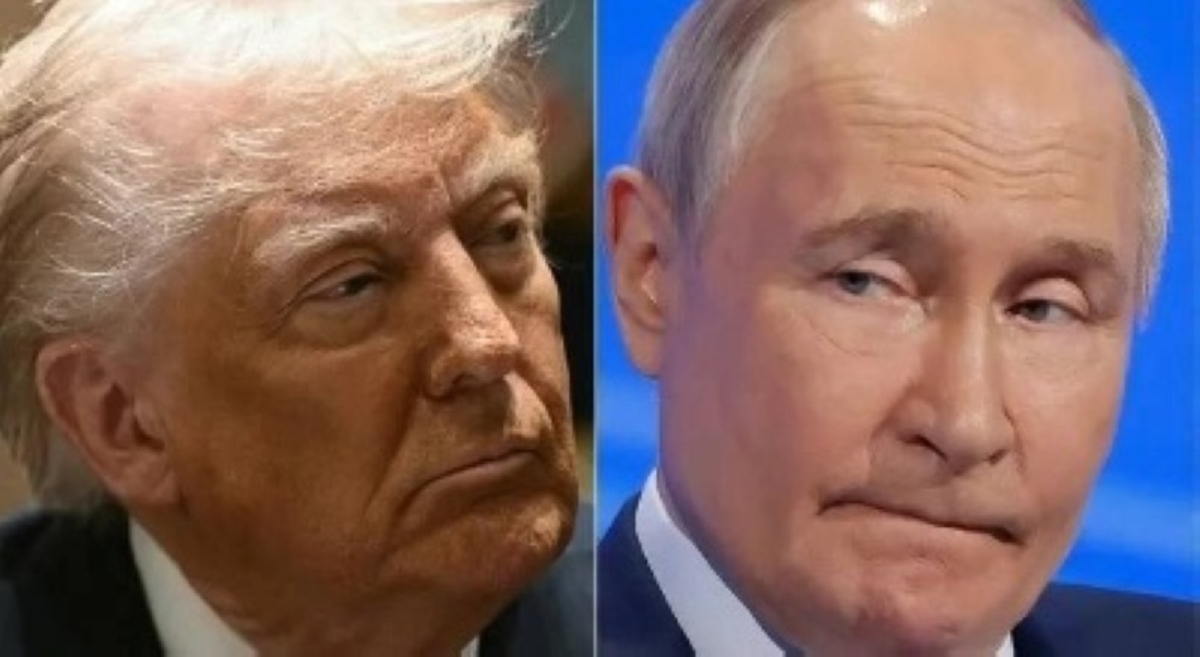
شهدت الدبلوماسية الدولية تصعيداً دراماتيكياً، حيث فرضت الولايات المتحدة الأمريكية عقوبات اقتصادية قاسية على أكبر شركتي النفط الروسيتين، «روسنيفت»، و«لوك أويل»، متهمة موسكو بعدم الالتزام الجاد بجهود إنهاء الحرب في أوكرانيا، في الوقت نفسه الذي أجرت فيه روسيا تمريناً عسكرياً كبيراً يشمل أسلحة نووية.
عقوبات أمريكية على روسيا
جاءت هذه العقوبات بعد يوم واحد من إلغاء خطط قمة بين الرئيس الأمريكي دونالد ترمب والرئيس الروسي فلاديمير بوتين، حيث أعلن ترمب للصحفيين أنه ألغى اللقاء لأنه «لم يشعر أنه مناسب».
ويأتي هذا التحول الحاد في سياسة البيت الأبيض بعد أسابيع من التلكؤ في فرض إجراءات جديدة، وسط ضغوط متزايدة من الكونغرس الأمريكي للحد من تمويل موسكو لحربها.
من جانبه، أعلن وزارة الخزانة الأمريكية أن هذه العقوبات تستهدف قدرتها على تمويل «آلة الحرب» الروسية، من خلال تجميد أصول الشركتين ومنع التعاملات المالية معهما، بالإضافة إلى فرض عقوبات ثانوية محتملة على البنوك والتجار في دول ثالثة مثل الصين والهند وتركيا التي تشتري النفط الروسي.
ووفقاً لتقديرات الوزارة، تمثل «روسنيفت» و«لوك أويل» نحو نصف صادرات النفط الخام الروسية، التي تشكل ربع ميزانية موسكو، مما يعني ضغطاً اقتصادياً هائلاً قد يصل إلى ملايين الدولارات يومياً.
وقال وزير الخزانة سكوت بيسينت: «الآن هو الوقت لوقف القتل وإعلان وقف إطلاق نار فوري»، مما دفع أسعار النفط إلى الارتفاع بنحو دولارين للبرميل.
تلكؤ دبلوماسي وشروط روسية صارمة
وكان ترمب أعلن الأسبوع الماضي، بعد مكالمة هاتفية مع بوتين، اتفاقا على قمة في بودابست بهدف التوصل إلى اتفاق سلام، لكن مكالمة بين وزير الخارجية الأمريكي ماركو روبيو ونظيره الروسي سيرغي لافروف يوم الإثنين أدت إلى إعادة التأكيد على الشروط الروسية غير المرنة، بما في ذلك تسليم أوكرانيا السيطرة الكاملة على إقليم دونباس الجنوبي الشرقي، وهو ما يتعارض مع اقتراح ترمب بتجميد الخطوط الأمامية الحالية.
وأكد متحدث الكرملين ديمتري بيسكوف أن التحضيرات مستمرة، لكنه أضاف أن «التواريخ لم تحدد بعد، وتتطلب وقتاً للإعداد الدقيق».
ومع ذلك، أصر البيت الأبيض على عدم وجود خطط للقاء «في المستقبل القريب»، معتبراً أن المكالمة كانت كافية للتبادلات الأولية، ويعكس هذا الإلغاء إحباط ترمب المتزايد، الذي قاوم لأشهر ضغوط المشرعين الأمريكيين لفرض عقوبات طاقة، آملاً في اتفاق سريع مع بوتين، لكنه الآن يرى أن «الوقت حان».
روسيا ترد بتمارين نووية
في الوقت نفسه، أشرف بوتين شخصياً على تمرين عسكري كبير للقوات النووية الروسية، شمل إطلاق صواريخ باليستية عابرة للقارات مثل «يارس» من قاعدة بليسيتسك، وصواريخ «سينيفا» من غواصة نووية في بحر بارنتس، بالإضافة إلى صواريخ كروز من قاذفات إستراتيجية «تو-95» فوق بحر البلطيق.
ووصف الكرملين التمرين بأنه «روتيني» لاختبار الاستعداد والسيطرة على الأسلحة النووية، لكنه جاء كرد فعل على تمارين الردع النووي للناتو «ستيدفاست نون» التي أجرتها في أكتوبر.
هذه التمارين، التي شملت القوات البرية والبحرية والجوية، تذكير بترسانة روسيا النووية الأكبر عالمياً، وتُعتبر تحذيراً لكييف ولحلفائها الغربيين في لحظات حاسمة من الحرب.
وقد رافقت الطائرات الروسية مقاتلات أجنبية – ربما من الناتو – أثناء الطيران، مما يعكس التوترات المتزايدة.
ضغط اقتصادي لدفع السلام
وتُعد هذه العقوبات، الأولى من نوعها في الولاية الثانية لترمب، تحولاً إستراتيجياً يجمع بين الضغط الاقتصادي والدبلوماسي لإجبار موسكو على وقف التصعيد.
ووفقاً لخبراء مثل إدوارد فيشمان، الخبير السابق في وزارة الخارجية الأمريكية، فإن استهداف «روسنيفت» – الشركة الروسية الأكبر غير المعاقبة سابقاً – يهدف إلى قطع الإيرادات بنسبة تصل إلى 50% من صادرات النفط، مما يضعف الاقتصاد الروسي الذي يعاني من تضخم يفوق 10% ونقص في الصندوق السيادي.
كما أنها تتبع عقوبات بريطانية الأسبوع الماضي على الشركتين نفسيهما، وتُهدد بتوسيع النطاق إلى البنوك الثالثة لتعزيز الفعالية.
وفي سياق أوسع، أكد ترمب أنه لا يزال يرفض تزويد أوكرانيا بصواريخ طويلة المدى مثل «توماهوك»، معتبراً أن تدريبها يستغرق ستة أشهر على الأقل، لكنه يأمل في استخدام نفوذ الرئيس الصيني شي جين بينغ – حليف بوتين الإستراتيجي – لدفع موسكو نحو السلام قبل قمة نهاية الأسبوع في كوريا الجنوبية.
دعم أوروبي وصفقات عسكرية
وفي خطوة موازية، وافقت دول الاتحاد الأوروبي على الحزمة العقابية الـ19 ضد روسيا، التي تشمل حظراً على واردات الغاز الطبيعي المسال الروسي اعتباراً من يناير 2027، مع آلية لتقييد حركة الدبلوماسيين الروس داخل الاتحاد، مما يعزز الضغط الجماعي.
كما أن جريدة «وول ستريت جورنال» أفادت برفع واشنطن قيود استخدام أوكرانيا لبعض الصواريخ طويلة المدى الأمريكية لضرب أهداف داخل روسيا، إلا أن ترمب نفى ذلك عبر وسائل التواصل.
أما في السويد، فقد وقعت اتفاقية مبدئية لبيع ما يصل إلى 150 طائرة مقاتلة «غريبن» حديثة إلى كييف، مع بدء التسليم المحتمل في 2026، وهي صفقة تُعد الأكبر في تاريخ الصادرات السويدية للطائرات، وتأتي بعد تدريب الطيارين الأوكرانيين على النموذج.
وقال الرئيس فولوديمير زيلينسكي أثناء زيارته لشركة «ساب» إن هذه الطائرات «أولوية لجيشنا»، مشيراً إلى أنها أقل تكلفة وأكثر متانة من «إف-35» الأمريكية، ويمكن تشغيلها من الطرق لمواجهة الظروف القاسية.
قمة الاتحاد الأوروبي
ومن المقرر أن تناقش قمة الاتحاد الأوروبي اليوم (الخميس)، اقتراح استخدام أصول روسية مجمدة بقيمة 163 مليار دولار لتمويل قرض لأوكرانيا، وهو ما وصفته موسكو بـ«السرقة» وهددت بالرد عليه.
The international diplomacy has witnessed a dramatic escalation, as the United States imposed harsh economic sanctions on the two largest Russian oil companies, "Rosneft" and "Lukoil," accusing Moscow of not seriously committing to efforts to end the war in Ukraine, at the same time that Russia conducted a major military exercise involving nuclear weapons.
U.S. Sanctions on Russia
These sanctions came just one day after the cancellation of a summit planned between U.S. President Donald Trump and Russian President Vladimir Putin, where Trump announced to reporters that he canceled the meeting because he "did not feel it was appropriate."
This sharp shift in White House policy follows weeks of hesitation in imposing new measures, amid increasing pressure from the U.S. Congress to limit Moscow's funding for its war.
For its part, the U.S. Treasury Department announced that these sanctions target Russia's ability to finance its "war machine" by freezing the assets of the two companies and prohibiting financial transactions with them, in addition to potential secondary sanctions on banks and traders in third countries like China, India, and Turkey that purchase Russian oil.
According to the department's estimates, "Rosneft" and "Lukoil" account for about half of Russia's crude oil exports, which constitute a quarter of Moscow's budget, meaning a tremendous economic pressure that could reach millions of dollars daily.
Treasury Secretary Scott Piesen said, "Now is the time to stop the killing and declare an immediate ceasefire," which pushed oil prices up by about two dollars per barrel.
Diplomatic Hesitation and Strict Russian Conditions
Last week, Trump announced, after a phone call with Putin, an agreement on a summit in Budapest aimed at reaching a peace agreement, but a call between U.S. Secretary of State Marco Rubio and his Russian counterpart Sergey Lavrov on Monday reaffirmed the inflexible Russian conditions, including the transfer of full control of the southeastern Donbas region to Ukraine, which contradicts Trump's proposal to freeze the current front lines.
Kremlin spokesman Dmitry Peskov confirmed that preparations are ongoing, but he added that "dates have not yet been set and require time for careful preparation."
However, the White House insisted that there are no plans for a meeting "in the near future," considering that the call was sufficient for initial exchanges. This cancellation reflects Trump's increasing frustration, who has resisted for months the pressures from U.S. lawmakers to impose energy sanctions, hoping for a swift agreement with Putin, but now sees that "the time has come."
Russia Responds with Nuclear Drills
At the same time, Putin personally oversaw a major military exercise for Russian nuclear forces, which included the launch of intercontinental ballistic missiles like "Yars" from the Plesetsk base, and "Sineva" missiles from a nuclear submarine in the Barents Sea, in addition to cruise missiles from strategic "Tu-95" bombers over the Baltic Sea.
The Kremlin described the exercise as "routine" to test readiness and control over nuclear weapons, but it came in response to NATO's "Steadfast Noon" nuclear deterrence drills conducted in October.
These drills, which included land, naval, and air forces, serve as a reminder of Russia's largest nuclear arsenal in the world and are considered a warning to Kyiv and its Western allies at critical moments of the war.
Russian aircraft were accompanied by foreign fighters – possibly from NATO – during the flight, reflecting the increasing tensions.
Economic Pressure to Push for Peace
These sanctions, the first of their kind in Trump's second term, represent a strategic shift that combines economic and diplomatic pressure to force Moscow to halt escalation.
According to experts like Edward Fishman, a former U.S. State Department official, targeting "Rosneft" – the largest previously unpunished Russian company – aims to cut revenues by up to 50% from oil exports, weakening the Russian economy, which is suffering from inflation exceeding 10% and a shortage in the sovereign fund.
They also follow British sanctions last week on the same two companies and threaten to expand the scope to third banks to enhance effectiveness.
In a broader context, Trump confirmed that he still refuses to supply Ukraine with long-range missiles like "Tomahawk," considering that training would take at least six months, but he hopes to use the influence of Chinese President Xi Jinping – Putin's strategic ally – to push Moscow towards peace before the weekend summit in South Korea.
EU Support and Military Deals
In a parallel move, EU countries agreed on the 19th sanctions package against Russia, which includes a ban on imports of Russian liquefied natural gas starting January 2027, along with a mechanism to restrict the movement of Russian diplomats within the Union, enhancing collective pressure.
The Wall Street Journal also reported that Washington lifted restrictions on Ukraine's use of some long-range American missiles to strike targets inside Russia, although Trump denied this via social media.
In Sweden, a preliminary agreement was signed to sell up to 150 modern "Gripen" fighter jets to Kyiv, with potential deliveries starting in 2026, a deal considered the largest in the history of Swedish aircraft exports, following training for Ukrainian pilots on the model.
President Volodymyr Zelensky, during his visit to "Saab," stated that these aircraft are "a priority for our army," noting that they are less expensive and more durable than the American "F-35," and can be operated from roads to face harsh conditions.
EU Summit
The EU summit is set to discuss today (Thursday) a proposal to use frozen Russian assets worth $163 billion to finance a loan for Ukraine, which Moscow described as "theft" and threatened to respond to.