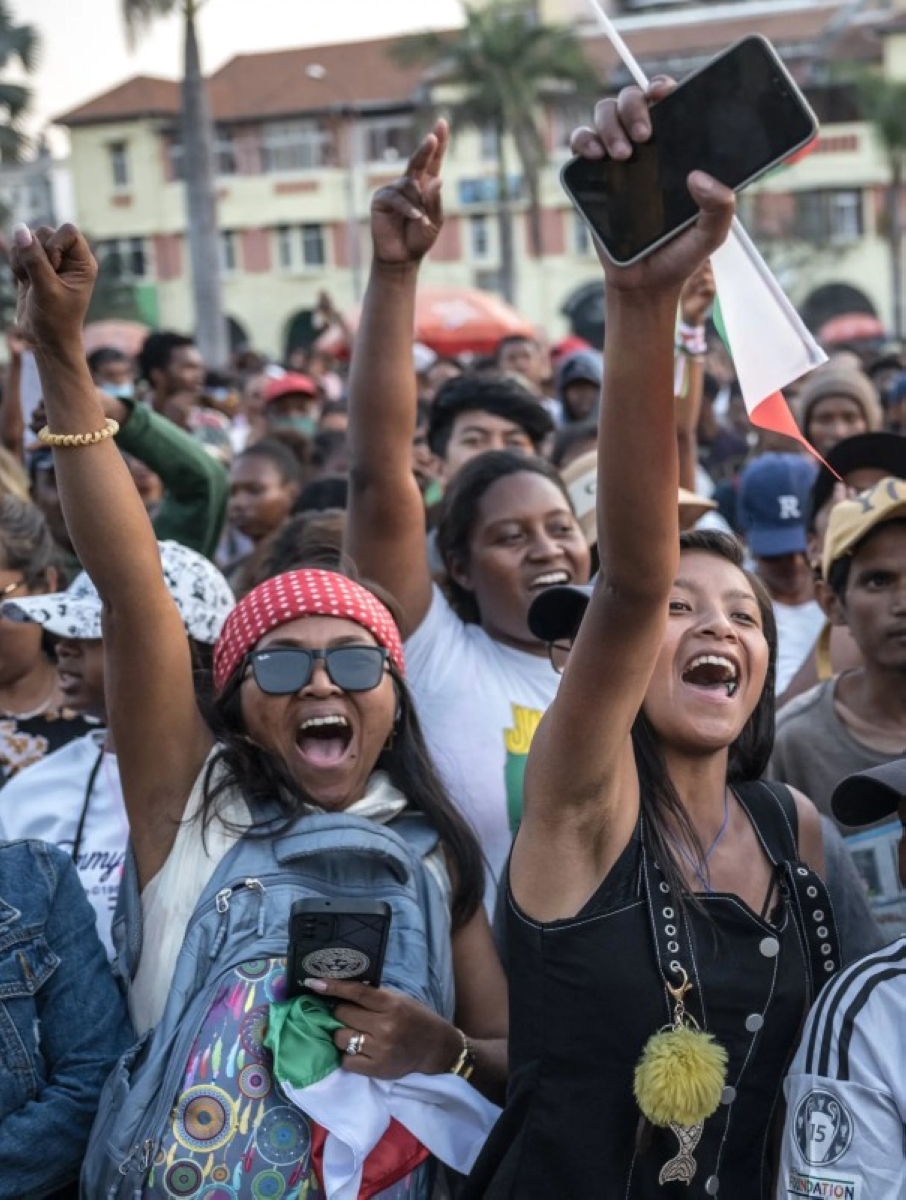
شهدت أفريقيا في الآونة الأخيرة موجة احتجاجات غير مسبوقة يقودها جيل زد، الشريحة العمرية التي وُلدت بين عامي 1997 و2012، والتي تعبر عن سخطها من نقص الفرص الاقتصادية والأوضاع المعيشية المتدهورة عبر القارة. بدأت هذه المظاهرات في كينيا، ثم انتقلت إلى مدغشقر ووصلت إلى شمال القارة السمراء، حيث تزامنت مع أحداث سياسية مهمة، مثل إقالة رئيس مدغشقر أندري راجويلينا بعد احتجاجات شعبية حاشدة في العاصمة أنتاناناريفو.
فرص اقتصادية وحياة أفضل
يُظهر المحتجون غضبًا واضحًا من الحكومات المنتخبة التي لم تفِ بوعودها في توفير فرص عمل حقيقية ومستقبل أفضل للشباب، في قارة تعتبر أصغر قارات العالم من حيث متوسط العمر الذي يبلغ 19 عامًا، ما يجعل الشباب يشكلون قوة دافعة سياسية واقتصادية متنامية. وفي بوتسوانا، ساهم الناخبون الشباب العام الماضي في الإطاحة بالحزب الحاكم منذ استقلال البلاد، كما شهدت جنوب أفريقيا تراجعًا ملحوظًا في الدعم الحزبي لحزب المؤتمر الوطني الأفريقي، بسبب استياء الشباب من الأداء الاقتصادي للحكومة.
وقال المؤلف والاقتصادي السنغالي ندانغو سيلا لصحيفة نيويورك تايمز إن الشباب «يريدون نوعًا من الازدهار والأمل، لكنهم لا يرون ذلك»، مضيفًا أن قمع السلطات للمظاهرات يشير إلى غياب أجوبة واضحة من الحكومات تجاه هذه المطالب. ويشير البنك الأفريقي للتنمية إلى أن معظم فرص العمل الجديدة في القارة تقع في القطاع غير الرسمي، ما يزيد من صعوبة تحسين الأوضاع الاقتصادية للشباب.
«السوشيال ميديا» تقود الحراك
وتساهم وسائل التواصل الاجتماعي في تنظيم هذه الاحتجاجات بشكل سريع وبدون قيادة مركزية واضحة، مما يجعل من الصعب على السلطات احتواؤها أو توقعها. كما أن مطالب الشباب تطورت لتشمل أهدافًا سياسية واجتماعية أوسع، مما يحول دون استقرار الحكومات.
في كينيا، على سبيل المثال، اشتعلت الاحتجاجات بعد محاولة الحكومة تمرير قانون مالي كان من المتوقع أن يرفع الأسعار، ما دفع الرئيس ويليام روتو إلى سحب المشروع بعد احتجاجات دامية شهدت مقتل أكثر من 60 شخصًا. ورغم ذلك، استمرت الاحتجاجات، وطالب المتظاهرون برحيل الرئيس. أما مدغشقر فشهدت أيضًا اضطرابات أدت إلى حل حكومة راجويلينا، الذي اعتبره المتظاهرون مسؤولًا عن فشل تقديم خدمات أساسية مثل الكهرباء والماء، مما أجبره على الهروب وإعلانه عاجزًا بعد قرار البرلمان عزله. وفي المغرب، أثارت الإنفاقات الكبيرة على البنية التحتية استعدادًا لكأس الأمم الأفريقية وكأس العالم 2030 احتجاجات قادها جيل زد، طالبت بتحسين التعليم والرعاية الصحية والحريات العامة، وأسفرت عن مقتل ثلاثة أشخاص.
Africa has recently witnessed an unprecedented wave of protests led by Generation Z, the age group born between 1997 and 2012, expressing their discontent over the lack of economic opportunities and deteriorating living conditions across the continent. These demonstrations began in Kenya, then spread to Madagascar and reached the northern part of the dark continent, coinciding with significant political events, such as the ousting of Madagascar's President Andry Rajoelina after massive popular protests in the capital Antananarivo.
Economic Opportunities and a Better Life
The protesters show clear anger towards elected governments that have failed to deliver on promises of real job opportunities and a better future for the youth, in a continent that is the youngest in the world with an average age of 19, making young people a growing political and economic driving force. In Botswana, young voters contributed to the ousting of the ruling party since the country’s independence last year, while South Africa has seen a noticeable decline in party support for the African National Congress due to youth dissatisfaction with the government's economic performance.
Senegalese author and economist Ndango Sila told The New York Times that young people "want a kind of prosperity and hope, but they don't see it," adding that the authorities' repression of protests indicates a lack of clear answers from governments regarding these demands. The African Development Bank points out that most new job opportunities on the continent are in the informal sector, making it harder to improve the economic conditions for young people.
Social Media Drives the Movement
Social media plays a significant role in organizing these protests quickly and without a clear central leadership, making it difficult for authorities to contain or anticipate them. Additionally, the demands of the youth have evolved to include broader political and social goals, hindering government stability.
In Kenya, for example, protests erupted after the government's attempt to pass a financial law that was expected to raise prices, prompting President William Ruto to withdraw the proposal after bloody protests that resulted in the deaths of more than 60 people. Despite this, the protests continued, with demonstrators calling for the president's resignation. Madagascar also experienced unrest that led to the dissolution of Rajoelina's government, which protesters held responsible for the failure to provide essential services such as electricity and water, forcing him to flee and declare himself incapacitated after parliament's decision to impeach him. In Morocco, significant spending on infrastructure in preparation for the Africa Cup of Nations and the 2030 World Cup sparked protests led by Generation Z, demanding improvements in education, healthcare, and public freedoms, resulting in the deaths of three people.