في خطوة تصعيدية لافتة، ألمح الرئيس الأمريكي دونالد ترمب إلى أن الإدارة تفكّر في توسيع حملتها العسكرية الحالية لمواجهة فنزويلا، لتشمل ضربات برية على الأراضي الفنزويلية، بعد أن استهدفت أمريكا حتى الآن السفن في البحر. وقال ترمب في تصريحاته: «القوات البحرية أصبحت تحت السيطرة الكاملة»، مما اعتبر تمهيدًا مباشرًا للتحول نحو العمليات البرية.
وفي تأكيد للتصعيد، أعلن ترمب مساء أمس (الأربعاء) أنه قد أصدر تفويضًا رسميًا لوكالة الاستخبارات المركزية (CIA) للقيام بعمليات داخل فنزويلا، في خطوة تزيد بشكل كبير من الضغط الأمريكي على الرئيس الفنزويلي نيكولاس مادورو، وذلك بالتوازي مع سلسلة من الضربات القاتلة التي نفذتها الولايات المتحدة ضد قوارب يُزعم أنها كانت تُستخدم في تهريب المخدرات في المياه الكاريبية قبالة سواحل فنزويلا.
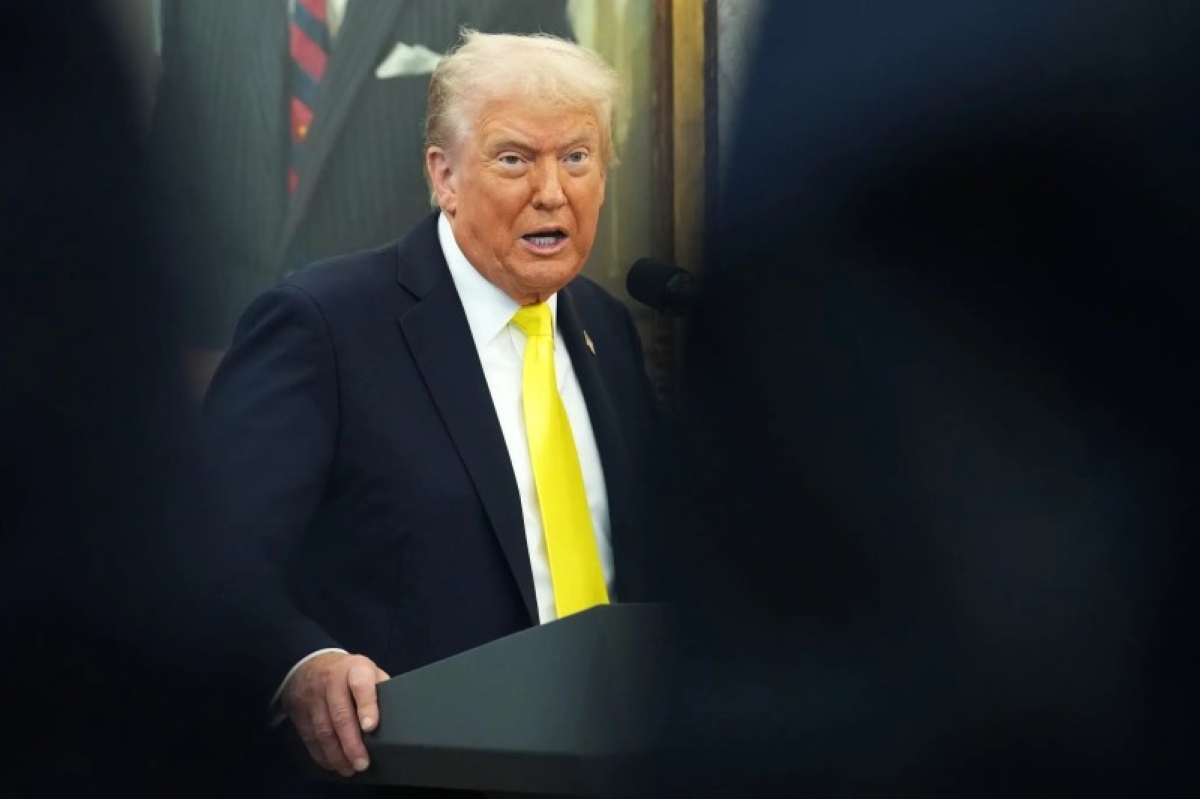
الرئيس الأمريكي أدلى بهذه التصريحات خلال مؤتمر صحفي من المكتب البيضاوي، حيث أعلن رسميًا أنه منح الضوء الأخضر للاستخبارات الأمريكية للتحرك في فنزويلا. ويمثل هذا الإجراء أحدث خطوة في سلسلة من التحركات الأمريكية «العدوانية» ضد نظام مادورو، بحسب تقارير الصحافة الأميركية.
ويأتي تفويض CIA كجزء من خطة أوسع، يُرجح أن تشمل عمليات سرية داخل الأراضي الفنزويلية، لكن ترمب لم يوضح طبيعة هذه العمليات أو أهدافها، مكتفيًا بالإشارة إلى أن ما يحدث هو ضمن «إستراتيجية محسوبة».
وتعكس هذه الخطوة تحولًا نوعيًا في التكتيك الأمريكي تجاه فنزويلا، وتُثير تساؤلات متزايدة حول نوايا واشنطن المستقبلية، ومدى استعدادها للتدخل المباشر على الأرض في بلد ذي سيادة.
وفي حين لم يُقدّم البيت الأبيض أو وكالة الاستخبارات المركزية أي تفاصيل إضافية حول العمليات المرتقبة، إلا أن المتابعين يرون أن الجمع بين التفويض السري للاستخبارات والتصريحات العلنية حول إمكانية تنفيذ ضربات برية، يُشير إلى تحول كبير في السياسة الأمريكية تجاه النظام الفنزويلي.
ويبقى السؤال: هل تمهد هذه التحركات الطريق لمواجهة مفتوحة بين واشنطن وكاراكاس؟ أم أن ترمب يبعث برسائل تهديد قوية دون نية حقيقية للتدخل العسكري الكامل؟
In a notable escalation, U.S. President Donald Trump hinted that the administration is considering expanding its current military campaign against Venezuela to include ground strikes on Venezuelan territory, after the U.S. has so far targeted ships at sea. Trump stated in his remarks: "The naval forces are now under complete control," which was seen as a direct prelude to a shift towards ground operations.
In a confirmation of the escalation, Trump announced last night (Wednesday) that he had issued an official mandate to the Central Intelligence Agency (CIA) to conduct operations inside Venezuela, a move that significantly increases U.S. pressure on Venezuelan President Nicolas Maduro, in parallel with a series of lethal strikes carried out by the United States against boats allegedly used for drug trafficking in the Caribbean waters off the coast of Venezuela.
The U.S. President made these statements during a press conference from the Oval Office, where he officially announced that he had given the green light for U.S. intelligence to operate in Venezuela. This action represents the latest step in a series of "aggressive" U.S. moves against Maduro's regime, according to reports from the American press.
The CIA mandate comes as part of a broader plan, likely to include covert operations within Venezuelan territory, but Trump did not clarify the nature of these operations or their objectives, merely indicating that what is happening is part of a "calculated strategy."
This step reflects a qualitative shift in U.S. tactics towards Venezuela and raises increasing questions about Washington's future intentions and its readiness for direct intervention on the ground in a sovereign country.
While the White House and the CIA have not provided any additional details about the upcoming operations, observers believe that the combination of the secret intelligence mandate and public statements about the possibility of ground strikes indicates a significant shift in U.S. policy towards the Venezuelan regime.
The question remains: Do these moves pave the way for an open confrontation between Washington and Caracas? Or is Trump sending strong threat messages without any real intention for full military intervention?