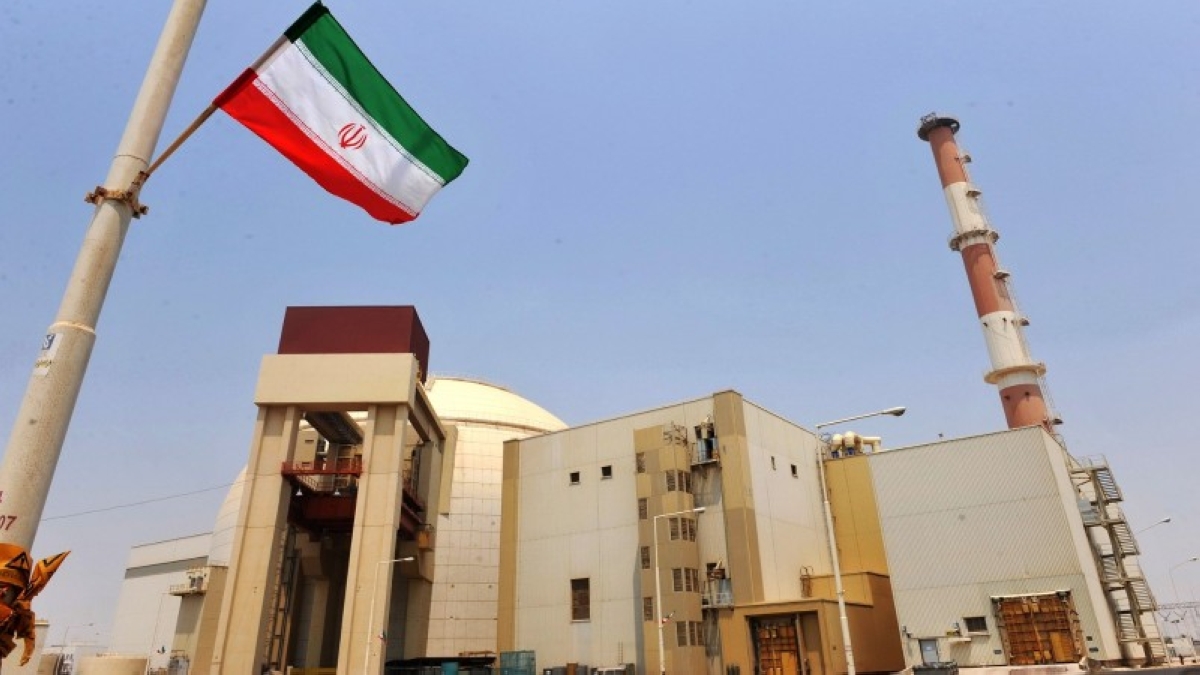
أعلن محمد إسلامي، رئيس منظمة الطاقة الذرية الإيرانية والنائب الأول للرئيس، اليوم توقيع اتفاق إستراتيجي مع روسيا لبناء ثمانية مفاعلات نووية إضافية في إيران، في خطوة تهدف إلى تعزيز الاستقلال الطاقي لإيران وسط تحديات الطاقة المتزايدة.
وقال إسلامي في تصريحات نقلتها وكالة الأنباء الإيرانية الرسمية «إرنا» إن أربعة من هذه المفاعلات ستُبنى في محطة بوشهر الكهربائية النووية، حيث يوجد بالفعل المفاعل الوحيد التشغيلي في إيران الذي بنته روسيا وأصبح يعمل منذ عام 2011 بقدرة 1000 ميغاواط.
مواقع المفاعلات
أما المفاعلات الأربعة الأخرى، فسيتم توزيعها في مواقع أخرى مثل محافظة هرمزغان الجنوبية، بما في ذلك مشروع «إيران-هرمز» الذي يتكون من أربعة مفاعلات بقدرة إجمالية 5000 ميغاواط. ومن المتوقع أن يغطي هذا المشروع قدرة إنتاجية تصل إلى نحو 10 جيجاواط، مما يدعم هدف إيران الوصول إلى 20 جيجاواط من الطاقة النووية بحلول عام 2040، حيث تواجه إيران نقصا حادا في الكهرباء خلال أشهر الذروة الصيفية، حيث يصل الطلب إلى 80 ألف ميغاواط يوميا بينما تغطي القدرة الإجمالية نحو 70 ألف ميغاواط، معتمدة بنسبة كبيرة على الغاز الطبيعي.
وأضاف إسلامي أن هذا الاتفاق يأتي بعد مفاوضات مكثفة أجراها مع شركة «روسأتوم» الروسية، ويشمل تمويلًا روسيًا يقدر بنحو 25 مليار دولار لجزء من المشروع، مع التركيز على تطوير مفاعلات من الجيل الثالث ومفاعلات معيارية صغيرة.
ويُعد هذا الإعلان تتويجًا لزيارة إسلامي إلى موسكو في سبتمبر الماضي، حيث وقع مذكرة تفاهم مع المدير العام لـ«روسأتوم» أليكسي ليخاتشيف حول بناء مفاعلات نووية صغيرة، بالإضافة إلى عقد رئيسي لأربع محطات في سيريك بمقاطعة هرمزغان.
وأكد إسلامي في اجتماع حديث في طهران مع نائب المدير العام لـ«روسأتوم» نيكولاي سبازكي، أن العلاقات النووية بين البلدين «قوية ومتسارعة»، مشيرًا إلى أن روسيا ستواصل تمويل ودعم بناء الوحدتين الثانية والثالثة في بوشهر، اللتين من المقرر إكمالهما قريبًا.
وتعود جذور التعاون النووي بين إيران وروسيا إلى عقود، حيث بدأت محطة بوشهر كمشروع ألماني في السبعينيات قبل أن توقفه الثورة الإسلامية عام 1979، ثم استأنفته روسيا في التسعينيات بموجب اتفاق عام 1995، ومع ذلك، أدت العقوبات الدولية – خصوصا بعد الانسحاب الأمريكي من الاتفاق النووي عام 2018 – إلى تعطيل بعض المشاريع، مما دفع إيران إلى تطوير قدراتها الذاتية في تخصيب اليورانيوم وبناء مفاعلات محلية.
Mohammad Islami, the head of the Iranian Atomic Energy Organization and the first vice president, announced today the signing of a strategic agreement with Russia to build eight additional nuclear reactors in Iran, in a move aimed at enhancing Iran's energy independence amid increasing energy challenges.
Islami stated in remarks reported by the official Iranian news agency "IRNA" that four of these reactors will be built at the Bushehr nuclear power plant, where the only operational reactor in Iran, built by Russia, has been functioning since 2011 with a capacity of 1000 megawatts.
Reactor Locations
The other four reactors will be distributed at different sites, such as the southern Hormozgan province, including the "Iran-Hormoz" project, which consists of four reactors with a total capacity of 5000 megawatts. This project is expected to cover a production capacity of about 10 gigawatts, supporting Iran's goal of reaching 20 gigawatts of nuclear power by 2040, as Iran faces a severe electricity shortage during peak summer months, where demand reaches 80,000 megawatts daily while the total capacity covers about 70,000 megawatts, heavily relying on natural gas.
Islami added that this agreement comes after intensive negotiations he held with the Russian company "Rosatom," and includes Russian financing estimated at around 25 billion dollars for part of the project, focusing on the development of third-generation reactors and small modular reactors.
This announcement crowns Islami's visit to Moscow last September, where he signed a memorandum of understanding with the general director of "Rosatom," Alexey Likhachev, regarding the construction of small nuclear reactors, in addition to a major contract for four plants in Sirik in Hormozgan province.
Islami confirmed in a recent meeting in Tehran with Nikolai Spassky, the deputy general director of "Rosatom," that the nuclear relations between the two countries are "strong and accelerating," noting that Russia will continue to finance and support the construction of the second and third units at Bushehr, which are expected to be completed soon.
The roots of nuclear cooperation between Iran and Russia date back decades, as the Bushehr plant began as a German project in the 1970s before being halted by the Islamic Revolution in 1979, and was then resumed by Russia in the 1990s under a 1995 agreement. However, international sanctions—especially following the U.S. withdrawal from the nuclear agreement in 2018—disrupted some projects, prompting Iran to develop its own capabilities in uranium enrichment and the construction of domestic reactors.