


حذّرت منظمة غير حكومية متخصصة في إزالة الألغام ومساعدة ضحايا الألغام المضادة للأفراد«هانديكاب إنترناشونال»، من أن الذخائر غير المنفجرة تشكل خطراً هائلاً على النازحين العائدين إلى ديارهم في قطاع غزة المدمّر، مطالبة على غرار ما فعلت الأمم المتحدة، بالسماح بإدخال المعدات اللازمة لإزالة الألغام.
وقالت مديرة المنظمة في الأراضي الفلسطينية آن-كلير يعيش، في بيان مساء أمس (الثلاثاء): «إن المخاطر هائلة، والتقديرات تشير إلى أن نحو70,000 طن من المتفجرات سقطت على قطاع غزة منذ اندلاع الحرب إثر هجوم السابع من أكتوبر 2023».
ولفتت إلى أن طبقات الأنقاض ومستويات التراكم كبيرة جداً، محذرة من مخاطر بالغة جداً في أرض معقدة للغاية بسبب محدودية المساحة في مناطق حضرية عالية الكثافة السكانية.
من جانبها، ذكرت دائرة الأمم المتحدة للإجراءات المتعلقة بالألغام أنه بسبب القيود التي فرضت خلال العامين الماضيين في القطاع الفلسطيني لم يكن ممكناً إجراء عمليات مسح واسعة النطاق في غزة. وأضافت أنها وانطلاقاً من هذا الواقع لا تملك صورة شاملة للتهديد الذي تمثّله المتفجرات والذخائر في قطاع غزة.
وكانت دائرة الأمم المتحدة للإجراءات المتعلقة بالألغام، أعلنت أنها لم تحصل بعد على تصريح من السلطات الإسرائيلية لإدخال المعدات اللازمة من أجل إزالة الذخائر غير المنفجرة.
وذكرت أن ثلاث مركبات مدرعة تقف على الحدود وتنتظر دخول غزة، مما سيسمح بإجراء عمليات أكثر أماناً وعلى نطاق أوسع.
وكانت الدائرة الأممية أوضحت في شهر يناير الماضي 2025 أن التقديرات تشير إلى أن 5 إلى 10% من الذخائر التي أُطلقت على غزة لم تنفجر.
70 ألف طن من المتفجرات تهدد سكان غزة
15 أكتوبر 2025 - 15:42
|
آخر تحديث 15 أكتوبر 2025 - 15:42
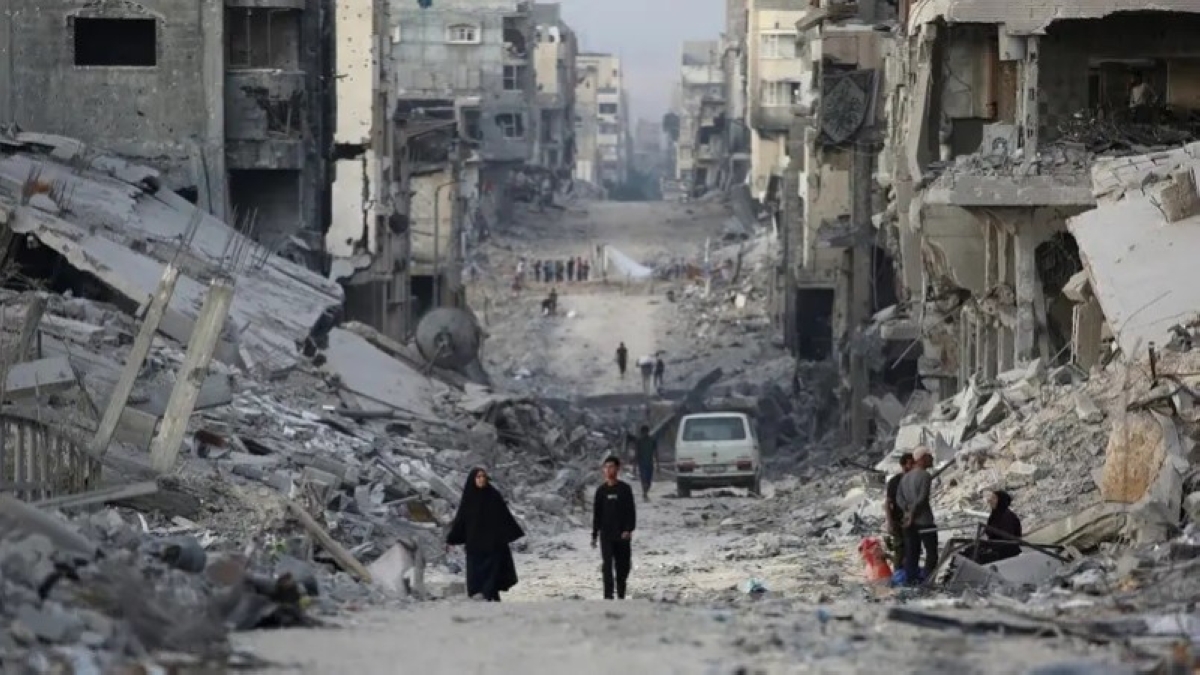
دمار شامل في قطاع غزة.


تابع قناة عكاظ على الواتساب
«عكاظ» (غزة) okaz_online@
A non-governmental organization specializing in mine clearance and assistance for victims of anti-personnel mines, "Handicap International," has warned that unexploded ordnance poses a tremendous risk to displaced persons returning to their homes in the devastated Gaza Strip, calling for the entry of necessary mine clearance equipment, similar to what the United Nations has done.
The organization's director in the Palestinian territories, Anne-Claire Yaïch, stated in a statement yesterday evening (Tuesday): "The risks are enormous, and estimates suggest that about 70,000 tons of explosives have fallen on the Gaza Strip since the outbreak of the war following the attack on October 7, 2023."
She pointed out that the layers of rubble and levels of accumulation are very significant, warning of extremely grave dangers in a highly complex area due to the limited space in densely populated urban areas.
For its part, the United Nations Mine Action Service mentioned that due to the restrictions imposed over the past two years in the Palestinian sector, it has not been possible to conduct large-scale surveys in Gaza. It added that, based on this reality, it does not have a comprehensive picture of the threat posed by explosives and munitions in the Gaza Strip.
The United Nations Mine Action Service announced that it has not yet received permission from the Israeli authorities to bring in the necessary equipment for the removal of unexploded ordnance.
It noted that three armored vehicles are stationed at the border waiting to enter Gaza, which would allow for safer and broader operations.
The UN agency clarified last January 2025 that estimates indicate that 5 to 10% of the munitions fired at Gaza did not explode.
The organization's director in the Palestinian territories, Anne-Claire Yaïch, stated in a statement yesterday evening (Tuesday): "The risks are enormous, and estimates suggest that about 70,000 tons of explosives have fallen on the Gaza Strip since the outbreak of the war following the attack on October 7, 2023."
She pointed out that the layers of rubble and levels of accumulation are very significant, warning of extremely grave dangers in a highly complex area due to the limited space in densely populated urban areas.
For its part, the United Nations Mine Action Service mentioned that due to the restrictions imposed over the past two years in the Palestinian sector, it has not been possible to conduct large-scale surveys in Gaza. It added that, based on this reality, it does not have a comprehensive picture of the threat posed by explosives and munitions in the Gaza Strip.
The United Nations Mine Action Service announced that it has not yet received permission from the Israeli authorities to bring in the necessary equipment for the removal of unexploded ordnance.
It noted that three armored vehicles are stationed at the border waiting to enter Gaza, which would allow for safer and broader operations.
The UN agency clarified last January 2025 that estimates indicate that 5 to 10% of the munitions fired at Gaza did not explode.


