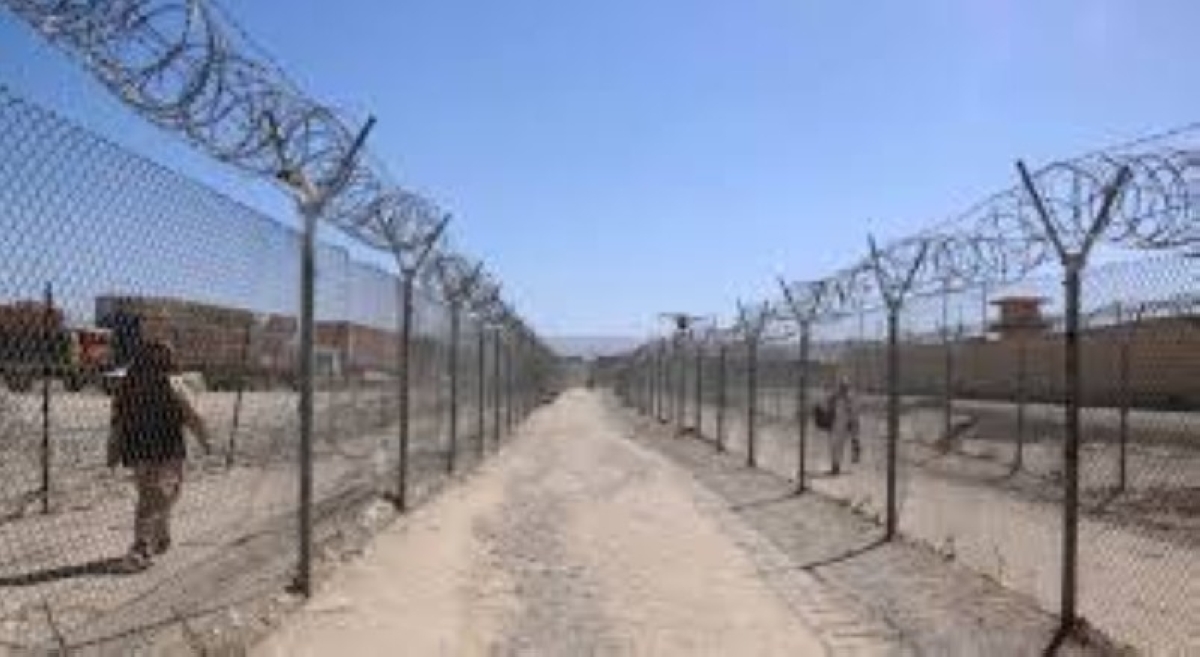
تجددت المواجهات الدامية بين الجارتين باكستان وأفغانستان، وقُتل ما لا يقل عن 20 عنصراً من حركة طالبان الأفغانية في اشتباكات عنيفة مع القوات الباكستانية في المناطق الحدودية الجبلية.
وأفادت مصادر أمنية باكستانية بأن الاشتباكات اندلعت، أمس الثلاثاء، في مقاطعة كُرّم بولاية خيبر بختونخوا، عندما فتحت قوات أفغانية النار على موقع حدودي باكستاني دون استفزاز، ما دفع الجيش الباكستاني إلى الرد بقصف مدفعي كثيف دمّر عدداً من المواقع والدبابات التابعة لقوات طالبان.
وحسب القناة التلفزيونية الرسمية في إسلام آباد، فإن القوات الباكستانية وجّهت «رداً قوياً» على الهجوم.
وأكد مسؤولون أمنيون أن الجيش دمّر منشأة تدريب كبيرة تابعة لحركة طالبان الباكستانية (TTP)، وهي جماعة متمردة تتخذ من الأراضي الأفغانية ملاذاً لها.
من جهته، أكد نائب المتحدث باسم شرطة إقليم خوست الأفغاني طاهر أحرار، وقوع الاشتباكات لكنه امتنع عن تقديم تفاصيل إضافية، فيما لم تصدر حكومة «طالبان» في كابل أي تعليق رسمي.
تجدد المواجهات بعد هدنة هشة
وتُعد هذه المواجهة الثانية خلال أسبوع واحد بين القوات الأفغانية والباكستانية، بعد تبادل نيران كثيف السبت الماضي أوقع عشرات القتلى والجرحى من الجانبين.
وذكرت مصادر عسكرية باكستانية أن القتال اندلع في أكثر من قطاع حدودي، قبل أن يتوقف مؤقتاً بوساطة من السعودية وقطر، في حين أُغلقت جميع المعابر الحدودية بين البلدين منذ ذلك الحين.
وأعلنت وزارة الدفاع الأفغانية في بيان نهاية الأسبوع الماضي، أن قواتها قصفت مواقع عسكرية باكستانية داخل أراضيها، ما أدى إلى مقتل 58 جندياً باكستانياً رداً على ما وصفته بـ«انتهاكات متكررة للسيادة الأفغانية».
إلا أن الجيش الباكستاني نفى تلك الأرقام، مؤكداً أنه فقد 23 جندياً فقط، في حين قتل أكثر من 200 مقاتل من طالبان الباكستانية وحلفائها في عمليات رد نفذها عبر الحدود.
تفاقم الخلافات بين الجارتين
وتشهد العلاقات بين الجارتين توترات متزايدة منذ سيطرة حركة طالبان على السلطة في كابول في أغسطس 2021. وتتهم إسلام آباد الحكومة الأفغانية بالسماح لمقاتلي تنظيم طالبان الباكستانية باستخدام الأراضي الأفغانية لشنّ هجمات داخل باكستان، خصوصاً في إقليمي خيبر بختونخوا وبلوشستان.
وترفض طالبان الأفغانية هذه الاتهامات، مؤكدة أنها لا تسمح باستخدام أراضيها ضد أي دولة، فيما تتهم باكستان بدورها بتنفيذ غارات جوية داخل الأراضي الأفغانية لاستهداف معاقل التنظيم، وهو ما تعتبره كابول «انتهاكاً للسيادة».
ساحة نزاع مستمرة
ويعود أصل النزاع الحدودي إلى «خط دوراند» الذي رسمته بريطانيا عام 1893، ويفصل بين الأراضي البشتونية في البلدين. وترفض كابول الاعتراف بالخط كحد رسمي، فيما تعتبره باكستان أساساً لسيادتها الحدودية.
وشهدت المناطق الحدودية خلال العقدين الماضيين عشرات الاشتباكات والمعارك المحدودة بسبب الخلاف حول مواقع نقاط التفتيش أو مرور المسلحين والمهاجرين.
وحذر مراقبون من أن التصعيد الحالي وهو الأخطر منذ عودة طالبان إلى الحكم، يهدد بتقويض العلاقات الأمنية والتجارية بين البلدين، خصوصا في ظل إغلاق المعابر الحيوية التي تمثل شرياناً رئيسياً لتجارة أفغانستان مع العالم.
The bloody confrontations between the neighboring countries of Pakistan and Afghanistan have renewed, with at least 20 members of the Afghan Taliban killed in violent clashes with Pakistani forces in the mountainous border areas.
Pakistani security sources reported that the clashes erupted yesterday, Tuesday, in the Kurram district of Khyber Pakhtunkhwa province, when Afghan forces opened fire on a Pakistani border post without provocation, prompting the Pakistani army to respond with heavy artillery shelling that destroyed several Taliban positions and tanks.
According to the official television channel in Islamabad, the Pakistani forces delivered a "strong response" to the attack.
Security officials confirmed that the army destroyed a large training facility belonging to the Tehrik-i-Taliban Pakistan (TTP), a militant group that uses Afghan territory as a refuge.
For his part, Tahir Ahrar, the deputy spokesperson for the Afghan police in Khost province, confirmed the occurrence of the clashes but refrained from providing further details, while the "Taliban" government in Kabul has not issued any official comment.
Renewed confrontations after a fragile truce
This is the second confrontation within a week between Afghan and Pakistani forces, following heavy gunfire exchange last Saturday that resulted in dozens of casualties and injuries on both sides.
Pakistani military sources reported that the fighting broke out in more than one border sector before temporarily stopping through mediation from Saudi Arabia and Qatar, while all border crossings between the two countries have been closed since then.
The Afghan Ministry of Defense announced in a statement at the end of last week that its forces shelled Pakistani military sites within its territory, resulting in the deaths of 58 Pakistani soldiers in response to what it described as "repeated violations of Afghan sovereignty."
However, the Pakistani army denied those figures, confirming that it lost only 23 soldiers, while more than 200 fighters from the Pakistani Taliban and their allies were killed in retaliatory operations carried out across the border.
Escalating disputes between the neighbors
Relations between the two neighbors have been increasingly tense since the Taliban took power in Kabul in August 2021. Islamabad accuses the Afghan government of allowing fighters from the Pakistani Taliban to use Afghan territory to launch attacks inside Pakistan, particularly in the Khyber Pakhtunkhwa and Balochistan provinces.
The Afghan Taliban rejects these accusations, asserting that it does not allow its territory to be used against any country, while Pakistan, in turn, accuses it of conducting airstrikes within Afghan territory to target the group's strongholds, which Kabul considers a "violation of sovereignty."Ongoing conflict zone
The origin of the border dispute dates back to the "Durand Line" drawn by Britain in 1893, which separates the Pashtun territories of the two countries. Kabul refuses to recognize the line as an official border, while Pakistan considers it the basis of its border sovereignty.
Over the past two decades, the border areas have witnessed dozens of clashes and limited battles due to disputes over checkpoint locations or the passage of militants and migrants.
Observers have warned that the current escalation, the most dangerous since the Taliban's return to power, threatens to undermine security and trade relations between the two countries, especially with the closure of vital crossings that represent a main artery for Afghanistan's trade with the world.