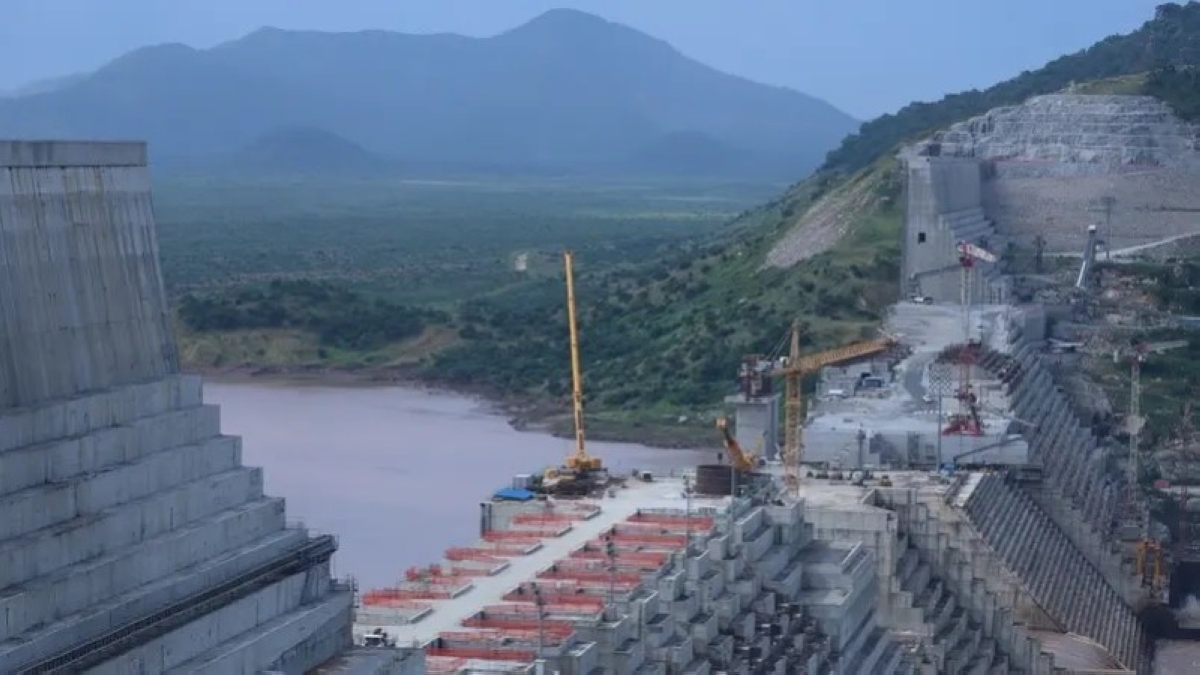
فيما تتبادل مصر وإثيوبيا الاتهامات بشأن أزمة سد النهضة، التي أعلنت القاهرة أخيراً أنها دخلت في طريق مسدود؛ بسبب تعنت أديس أبابا ورفضها كل الحلول والمقترحات، يبدو أن الولايات المتحدة تخطط لاقتحام هذا الملف الشائك، إذ اعتبر مساعد وزير الخارجية الأمريكي مستشار الرئيس دونالد ترمب لشؤون أفريقيا مسعد بولس، أن الحل الوحيد لهذا الملف يكمن في الحوار للوصول إلى إطار تقني متفق عليه.
وكشف احتمال أن تكون هناك مبادرة للرئيس ترمب تجمع الرئيس المصري عبدالفتاح السيسي ورئيس الوزراء الإثيوبي آبي أحمد، لحل المشكلة.
التروّي والحوار
وأكد أن ملف سد النهضة الإثيوبي مهم واستراتيجي بالنسبة للولايات المتحدة، كاشفاً أن بلاده تسعى لإيجاد حلول سلمية. وأفاد بولس في تصريحات تليفزيونية، اليوم (الثلاثاء)، بأن موقف واشنطن بشأن السد واضح، ويقوم على التروي والحوار السلمي للوصول إلى إطار تقني متفق عليه، وفق تعبيره. وقال بولس إن سد النهضة تم افتتاحه، وأصبح واقعاً، لافتاً إلى أن الإدارة الأمريكية تسعى للتعاطي مع ذلك. ورأى أن الخلاف حول سد النهضة تقني لا سياسي، مشدداً على وجوب حله سلمياً. وأكد أن ملف سد النهضة لا يتعلق فقط بثلاثة بلدان، بل بكل الدول المستفيدة من نهر النيل.
تبادل الاتهامات
وكانت الحكومة الإثيوبية أصدرت بياناً تناولت فيه موضوع سد النهضة رداً على التصريحات الأخيرة للرئيس السيسي، مؤكدة على حقها السيادي في استخدام مواردها المائية. وذكرت أن نهر النيل ينبع من أراضيها، وأنها وفقاً للقانون الدولي ومبدأ السيادة الدائمة على الموارد الطبيعية، تتمتع بحق مشروع وغير قابل للمصادرة في الاستفادة من مواردها المائية، وفق بيانها.
ورفضت أديس أبابا الاتهامات المصرية بـ«الإجراءات الأحادية»، واعتبرت أنها «أدارت مشروع سد النهضة بشفافية كاملة»، وقدمت «بيانات فنية دورية حول مراحل الملء والتشغيل إلى كل من السودان ومصر»، بحسب زعمها.
وكان الرئيس المصري عبدالفتاح السيسي، اتهم الأحد الماضي، إثيوبيا بإلحاق الضرر عبر سد النهضة بدولتي المصب مصر والسودان، داعياً إلى تحرك دولي وأفريقي لعقد اتفاق قانوني ملزم بشأن تشغيل وملء السد.
وأعلن أن بلاده «لن تقف مكتوفة الأيدي».
انسحاب إثيوبيا
يذكر أن أزمة سد النهضة تعود إلى العام 2011، حين بدأت أديس أبابا في بناء السد على النيل الأزرق، ما أثار مخاوف مصر والسودان بشأن حصتهما من مياه النيل.
وحاولت الولايات المتحدة في إدارة الرئيس ترمب الأولى عام 2019 لعب دور الوسيط بين مصر وإثيوبيا والسودان، إذ استضافت جولات تفاوض في واشنطن انتهت دون توقيع اتفاق نهائي بعد انسحاب إثيوبيا من المحادثات. وأكد ترمب مراراً حرصه على مصالح جميع الأطراف فيما يخص سد النهضة.
وتعرض السودان قبل أيام لموجة من الفيضانات هددت السكان والمزارعين.
وفي مصر، تعرضت قرية دلهمو بمحافظة المنوفية للغرق بسبب فيضانات النيل، كما أعلنت 4 محافظات مصرية أخرى حالة الطوارئ بعد ارتفاع منسوب المياه، ما دفع دولتي المصب لاتهام إثيوبيا باتخاذ إجراءات أدت إلى ما جرى.
While Egypt and Ethiopia exchange accusations regarding the Grand Ethiopian Renaissance Dam crisis, which Cairo recently announced has reached a deadlock due to Addis Ababa's obstinacy and its rejection of all solutions and proposals, it seems that the United States is planning to intervene in this thorny issue. The U.S. Assistant Secretary of State and President Donald Trump's advisor for African affairs, Masad Boulos, stated that the only solution to this issue lies in dialogue to reach an agreed-upon technical framework.
He revealed the possibility of a Trump initiative that would bring together Egyptian President Abdel Fattah el-Sisi and Ethiopian Prime Minister Abiy Ahmed to resolve the problem.
Deliberation and Dialogue
He emphasized that the Ethiopian Grand Dam file is important and strategic for the United States, revealing that his country seeks to find peaceful solutions. Boulos stated in television remarks today (Tuesday) that Washington's position regarding the dam is clear, based on deliberation and peaceful dialogue to reach an agreed-upon technical framework, as he put it. Boulos noted that the Grand Dam has been inaugurated and has become a reality, pointing out that the U.S. administration seeks to engage with that. He viewed the disagreement over the dam as technical rather than political, stressing the need for a peaceful resolution. He confirmed that the Grand Dam file does not only concern three countries but all countries benefiting from the Nile River.
Exchange of Accusations
The Ethiopian government issued a statement addressing the Grand Dam issue in response to recent remarks by President Sisi, affirming its sovereign right to utilize its water resources. It mentioned that the Nile River originates from its territory and that, according to international law and the principle of permanent sovereignty over natural resources, it enjoys a legitimate and inalienable right to benefit from its water resources, according to its statement.
Addis Ababa rejected the Egyptian accusations of "unilateral actions," considering that it has "managed the Grand Dam project with complete transparency" and provided "periodic technical data on the filling and operation phases to both Sudan and Egypt," according to its claims.
Last Sunday, Egyptian President Abdel Fattah el-Sisi accused Ethiopia of causing harm to the downstream countries of Egypt and Sudan through the Grand Dam, calling for international and African action to reach a binding legal agreement regarding the operation and filling of the dam.
He announced that his country "will not stand idly by."
Ethiopia's Withdrawal
It is worth noting that the Grand Dam crisis dates back to 2011 when Addis Ababa began constructing the dam on the Blue Nile, raising concerns for Egypt and Sudan regarding their share of Nile waters.
The United States, during Trump's first administration in 2019, attempted to play a mediating role between Egypt, Ethiopia, and Sudan, hosting rounds of negotiations in Washington that ended without signing a final agreement after Ethiopia withdrew from the talks. Trump repeatedly affirmed his commitment to the interests of all parties regarding the Grand Dam.
Sudan recently experienced a wave of floods that threatened residents and farmers.
In Egypt, the village of Delhamo in the Monufia Governorate was submerged due to Nile floods, and four other Egyptian governorates declared a state of emergency after water levels rose, prompting the downstream countries to accuse Ethiopia of taking actions that led to the situation.