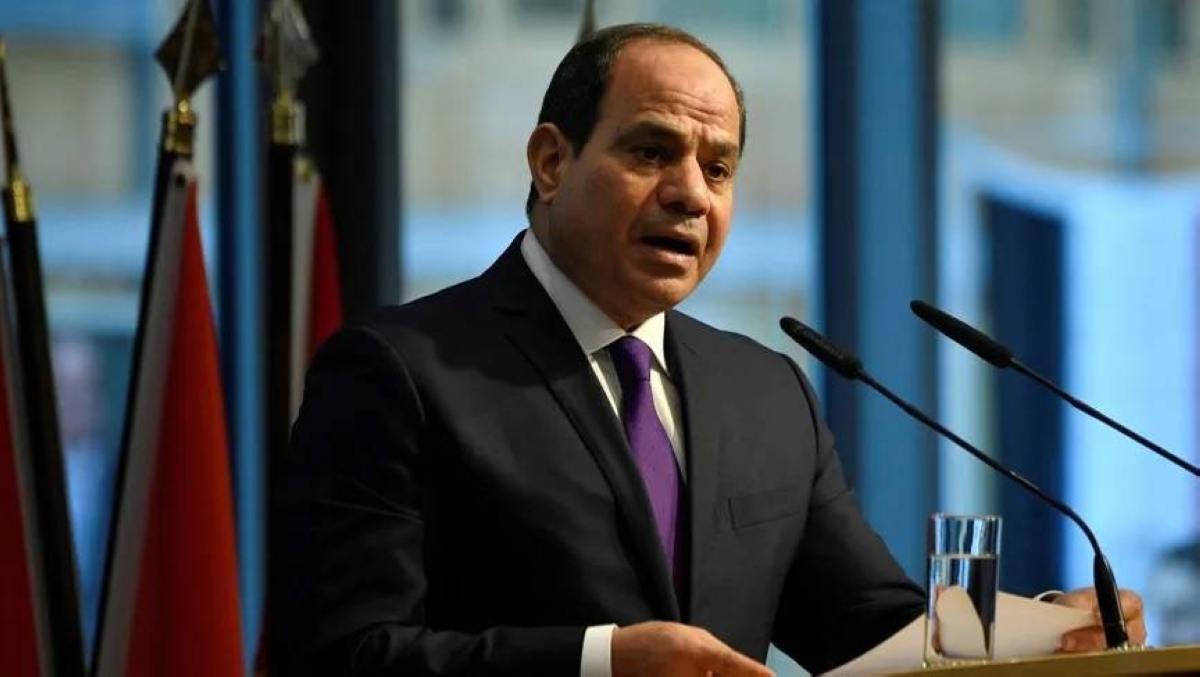
شدّد الرئيس المصري عبدالفتاح السيسي، على أن مصر لن تقف مكتوفة الأيدي، أمام النهج غير المسؤول الذى تتبعه إثيوبيا، فيما يخص قضية سد النهضة ومياه النيل.
وأكد، في كلمته بالجلسة الافتتاحية لأسبوع القاهرة الثامن للمياه اليوم (الأحد): أن مصر تواجه تحديات جسيمة في ملف المياه، مشيراً إلى أنها قضية وجودية تمس حياة أكثر من 100 مليون مصري،، يعتمدون بنسبة تفوق 98%، على مصدر واحد، ينبع من خارج الحدود، هو نهر النيل.
مصر من الدول الأكثر ندرة في المياه
وقال السيسي إن مصر تصنف ضمن الدول الأكثر ندرة في المياه، إذ لا يتجاوز معدل الأمطار السنوي 1.3 مليار متر مكعب، ويبلغ نصيب الفرد نحو 500 متر مكعب سنوياً؛ أي نصف خط الفقر المائي العالمي.
وأضاف أن مصر تؤمن إيماناً لا يتزعزع بأن الأنهار الدولية لم تخلق لتكون خطوطاً تفصل بين الأوطان، بل شرايين حياة تنبض بالتكامل، وجسوراً من التعاون، تربط الشعوب وتوحد المصائر.
الأمن المائي ليس ترفاً
وأكد الرئيس المصري أن الأمن المائي ليس ترفاً، والتنمية المستدامة ليست خياراً، بل هما حقان أصيلان، لا يصانان إلا من خلال شراكة عادلة قائمة على مبادئ القانون الدولي، تجسد روح المنفعة المتبادلة، وتعلي من شأن عدم الإضرار، وتقر بأن الحق في الانتفاع، يقترن دوما بالواجب في احترام الحقوق.
وأعلن رفض بلاده القاطع لأى إجراءات أحادية تتخذ على نهر النيل، تتجاهل الأعراف والاتفاقات الدولية، وتهدد مصالح شعوب الحوض، وتقوض أسس العدالة والاستقرار، مؤكداً أن التنمية ليست امتيازاً لدولة بعينها، بل مسؤولية جماعية لشعوب النهر كافة، وحق يصان بالتعاون.. لا بالتفرد.
مسار دبلوماسي نزيه
وأفاد بأن مصر «انتهجت على مدار 14 عاماً، من التفاوض المضنى مع الجانب الإثيوبي، مساراً دبلوماسياً نزيهاً، اتسم بالحكمة والرصانة، وسعت فيه بكل جدية، إلى التوصل لاتفاق قانوني ملزم بشأن السد الإثيوبي، يراعي مصالح الجميع، ويحقق التوازن بين الحقوق والواجبات.
ولفت السيسي إلى أن مصر قدمت، خلال هذه السنوات، العديد من البدائل الفنية الرصينة، التي تلبى الأهداف المعلنة لإثيوبيا، كما تحفظ مصالح دولتي المصب.. إلا أن هذه الجهود، قوبلت بتعنت لا يفسر، إلا بغياب الإرادة السياسية، وسعي لفرض الأمر الواقع، مدفوعة باعتبارات سياسية ضيقة، بعيدة عن حاجات التنمية الفعلية.. فضلاً عن مزاعم باطلة، بالسيادة المنفردة على نهر النيل، بينما الحقيقة الثابتة، أن النيل ملكية مشتركة لدوله المتشاطئة كافة، ومورد جماعي لا يحتكر.
اتفاق قانوني ملزم
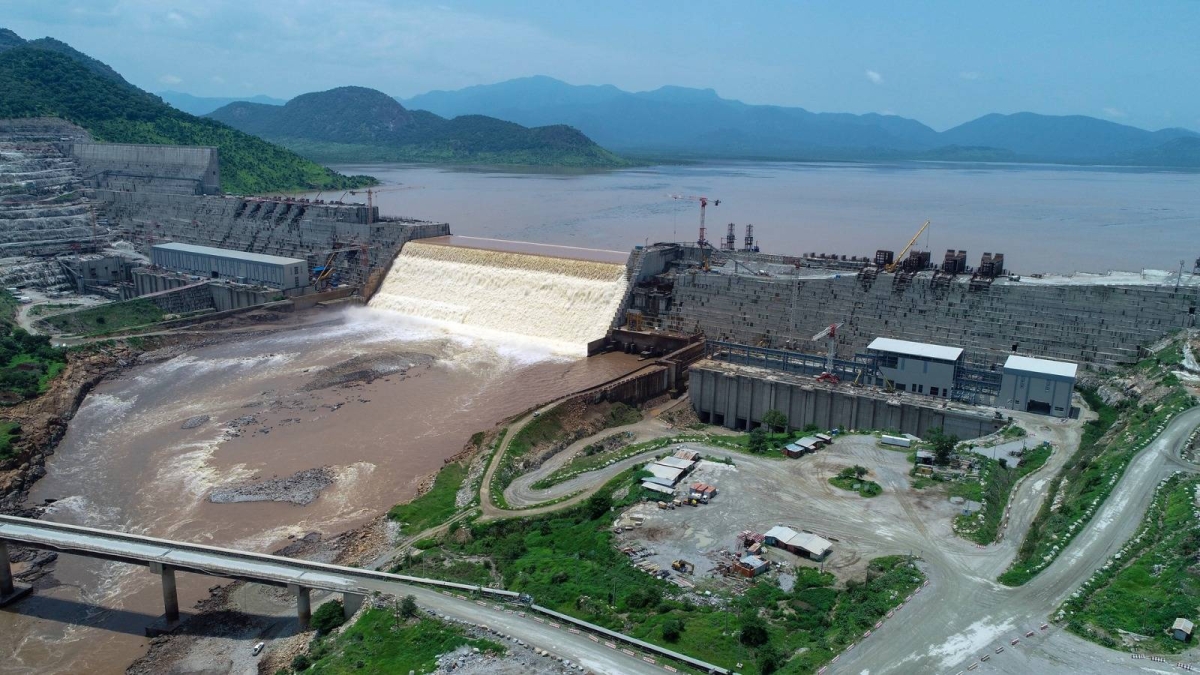
وأضاف: مرت أيام قليلة، على بدء تدشين سد النهضة الإثيوبي، وثبت بالدليل الفعلي صحة مطالبتنا، بضرورة وجود اتفاق قانوني وملزم لأطرافه، لتنظيم تشغيل هذا السد.. ففي الأيام القليلة الماضية، تسببت إثيوبيا، من خلال إدارتها غير المنضبطة للسد، في إحداث أضرار بدولتي المصب، نتيجة التدفقات غير المنتظمة، التي تم تصريفها، دون أي إخطار أو تنسيق مـع دولتي المصب.
واعتبر أن هذا الأمر يحتم على المجتمع الدولي عموماً، والقارة الافريقية خصوصاً، مواجهة مثل هذه التصرفات المتهورة من الإدارة الإثيوبية، وضمان تنظيم تصريف المياه من السد، في حالتي الجفاف والفيضان.
الدبلوماسية ليست ضعفاً
وأكد السيسي أن اختيار مصر طريق الدبلوماسية، ولجوئها إلى المؤسسات الدولية، وعلى رأسها منظمة الأمم المتحدة «لم يكن يوماً ضعفاً أو تراجعاً؛ بل كان تعبيراً عن قوة الموقف، ونضج الرؤية، وإيماناً عميقاً بأن الحوار هو السبيل الأمثل، والتعاون هو الطريق الأجدى، لتحقيق مصالح جميع دول حوض النيل، دون تعريض أي منها للخطر».
وشدد على أن مصر لن تقف مكتوفة الأيدي، أمام النهج غير المسؤول الذى تتبعه إثيوبيا، وستتخذ التدابير كافة، لحماية مصالحها وأمنها المائي.
ولفت إلى أن مستقبل الأمن المائي، مرهون بالتعاون الدولي الفعال، القائم على الالتزام بقواعد القانون الدولي واجبة التطبيق، علاوة على الاعتماد على التطوير والابتكار والبحث العلمي.
Egyptian President Abdel Fattah El-Sisi emphasized that Egypt will not stand idly by in the face of the irresponsible approach taken by Ethiopia regarding the Grand Ethiopian Renaissance Dam and the Nile waters.
In his speech at the opening session of the eighth Cairo Water Week today (Sunday), he confirmed that Egypt faces serious challenges in the water file, pointing out that it is an existential issue affecting the lives of more than 100 million Egyptians, who rely on a single source, originating from outside the borders, which is the Nile River, by more than 98%.
Egypt is one of the most water-scarce countries
El-Sisi stated that Egypt is classified among the most water-scarce countries, with an annual rainfall rate not exceeding 1.3 billion cubic meters, and the per capita share is about 500 cubic meters annually; which is half of the global water poverty line.
He added that Egypt firmly believes that international rivers were not created to be lines separating nations, but rather lifelines that pulse with integration, and bridges of cooperation that connect peoples and unify destinies.
Water security is not a luxury
The Egyptian president affirmed that water security is not a luxury, and sustainable development is not an option, but rather two inherent rights that can only be preserved through a fair partnership based on the principles of international law, embodying the spirit of mutual benefit, elevating the principle of non-harm, and recognizing that the right to benefit is always coupled with the duty to respect rights.
He announced his country's firm rejection of any unilateral actions taken on the Nile River that disregard international norms and agreements, threaten the interests of the riparian countries, and undermine the foundations of justice and stability, asserting that development is not a privilege for any specific country, but a collective responsibility for all the river's peoples, and a right that is preserved through cooperation... not through unilateralism.
A fair diplomatic path
He stated that Egypt has pursued, over the past 14 years, a painstaking negotiation process with the Ethiopian side, a fair diplomatic path characterized by wisdom and sobriety, and has earnestly sought to reach a binding legal agreement regarding the Ethiopian dam that considers the interests of all parties and achieves a balance between rights and duties.
El-Sisi pointed out that Egypt has presented, during these years, many sound technical alternatives that meet Ethiopia's declared objectives while preserving the interests of the downstream countries. However, these efforts have been met with an inexplicable obstinacy, only explained by the absence of political will and an attempt to impose a fait accompli, driven by narrow political considerations, far from actual development needs... in addition to false claims of unilateral sovereignty over the Nile River, while the established truth is that the Nile is a shared property of all its riparian states, and a collective resource that cannot be monopolized.
A binding legal agreement
He added: A few days have passed since the inauguration of the Grand Ethiopian Renaissance Dam, and it has been proven by actual evidence that our demand for the necessity of having a binding legal agreement among its parties to regulate the operation of this dam is valid... In the past few days, Ethiopia, through its unregulated management of the dam, has caused damage to the downstream countries due to the irregular flows that were discharged without any notification or coordination with the downstream countries.
He considered that this matter obliges the international community in general, and the African continent in particular, to confront such reckless actions from the Ethiopian administration and to ensure the regulation of water discharge from the dam in cases of drought and flood.
Diplomacy is not weakness
El-Sisi affirmed that Egypt's choice of the path of diplomacy and its resort to international institutions, headed by the United Nations, "has never been a sign of weakness or retreat; rather, it has been an expression of the strength of the position, the maturity of the vision, and a deep belief that dialogue is the best way, and cooperation is the most effective path to achieve the interests of all Nile Basin countries, without endangering any of them."
He stressed that Egypt will not stand idly by in the face of the irresponsible approach taken by Ethiopia and will take all necessary measures to protect its interests and water security.
He pointed out that the future of water security is contingent upon effective international cooperation based on adherence to applicable international law, in addition to relying on development, innovation, and scientific research.