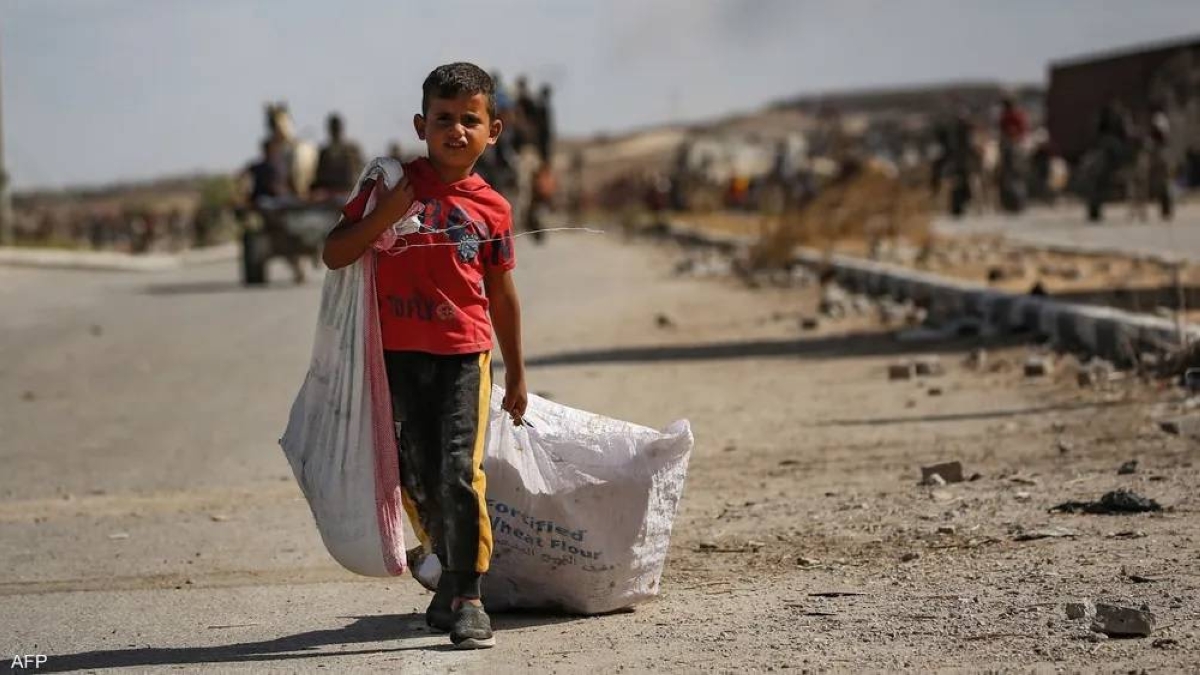
شرع عشرات الآلاف من النازحين الفلسطينيين في العودة إلى منازلهم المهجورة والمدمرة بعد دخول وقف إطلاق النار بين إسرائيل وحماس حيز التنفيذ وبدء القوات الإسرائيلية الانسحاب من بعض مناطق القطاع بموجب اتفاق إنهاء الحرب. وتحركت حشود ضخمة من النازحين شمالاً باتجاه مدينة غزة، أكبر منطقة حضرية في القطاع، التي كانت هدفاً لهجوم واسع في واحدة من أعنف العمليات العسكرية الإسرائيلية خلال الحرب.
وشق العائدون في الجنوب طريقهم عبر خان يونس، ثاني أكبر مدن غزة التي دمرتها القوات الإسرائيلية، وسار معظمهم منهكون من التعب والنزوح المتكرر.
وفتحت قوات الاحتلال الإسرائيلي طرقاً مؤدية إلى المدن ليبدأ أول تدفق كبير للفلسطينيين العائدين من المخيمات المؤقتة إلى منازلهم التي غادروها.
بناية مدمرة
ومنذ اللحظة التي أعلن فيها جيش الإسرائيلي دخول وقف إطلاق النار حيز التنفيذ في قطاع غزة، تدفق آلاف النازحين عائدين من الجنوب إلى الشمال، لتفقد ما بقي من منازلهم التي تحولت ركاماً، حتى إن بعضهم عبر شارع الرشيد سيراً على الأقدام، في رحلة اعتادوها على مر السنتين الماضيتين. وعاد آخرون إلى أنقاض منازلهم في خان يونس جنوباً.
وعبر العديد من النازحين عن فرحتهم بالعودة ووقف الحرب على الرغم من الدمار الشامل الذي وثقته الأقمار الصناعية والصور والفيديوهات في خان يونس ورفح جنوب القطاع، ومدينة غزة وجباليا شمالاً. وكشفت صور جوية حجم الدمار الهائل في خان يونس جنوباً، وغيرها من المناطق شمالاً أيضاً.
من جهته، أعلن المتحدث باسم الدفاع المدني في غزة محمود بصل، مساء أمس الجمعة، أن نحو 200 ألف نسمة تقريباً عادوا إلى الشمال.
وذكرت مصادر طبية فلسطينية أن الطواقم الطبية انتشلت خلال الـ24 ساعة الماضية جثامين 155 قتيلاً، سقطوا خلال الأسابيع الماضية في مدينة غزة قبل انسحاب القوات الإسرائيلية من بعض المناطق. وأوضح مصدر طبي أن سيارات الإسعاف تعثرت في نقلهم سابقاً بسبب خطورة الأوضاع الميدانية واستمرار القصف.
ومع إعلان وقف إطلاق النار، دعت جمعية الصحافة الأجنبية في القدس، التي تضم مراسلين من وسائل إعلام أجنبية كبرى، السلطات الإسرائيلية إلى السماح بالوصول بشكل مستقل إلى غزة، مؤكدة أنه لم يعد هناك أي مبرر لعرقلة الدخول إلى القطاع، خصوصاً أن إسرائيل كانت فرضت منذ عامين قيوداً على وصول المراسلين الأجانب إلى القطاع.
Dozens of thousands of displaced Palestinians began returning to their abandoned and destroyed homes after the ceasefire between Israel and Hamas came into effect and Israeli forces started withdrawing from some areas of the Gaza Strip under the war-ending agreement. Huge crowds of displaced people moved north toward Gaza City, the largest urban area in the strip, which had been the target of a wide-ranging attack in one of the fiercest Israeli military operations during the war.
The returnees in the south made their way through Khan Younis, the second largest city in Gaza that had been devastated by Israeli forces, with most of them walking exhausted from fatigue and repeated displacement.
Israeli occupation forces opened roads leading to the cities, allowing the first significant flow of Palestinians returning from temporary camps to their homes that they had left.
بناية مدمرة
Since the moment the Israeli army announced the ceasefire took effect in the Gaza Strip, thousands of displaced people have flowed back from the south to the north to check what remained of their homes, which had turned to rubble, with some even crossing Al-Rasheed Street on foot, in a journey they had become accustomed to over the past two years. Others returned to the ruins of their homes in Khan Younis to the south.
Many displaced individuals expressed their joy at returning and the end of the war despite the widespread destruction documented by satellites, photos, and videos in Khan Younis and Rafah in the south, as well as Gaza City and Jabalia in the north. Aerial images revealed the extent of the massive destruction in Khan Younis to the south, and other areas in the north as well.
For his part, Mahmoud Bassal, the spokesperson for the Civil Defense in Gaza, announced yesterday evening that nearly 200,000 people had returned to the north.
Palestinian medical sources reported that medical teams recovered the bodies of 155 victims over the past 24 hours, who had fallen in the city of Gaza during the weeks prior to the withdrawal of Israeli forces from some areas. A medical source explained that ambulances had struggled to transport them earlier due to the dangerous field conditions and ongoing shelling.
With the announcement of the ceasefire, the Foreign Press Association in Jerusalem, which includes reporters from major foreign media outlets, called on the Israeli authorities to allow independent access to Gaza, emphasizing that there was no longer any justification for obstructing entry to the strip, especially since Israel had imposed restrictions on the access of foreign reporters to the area for the past two years.