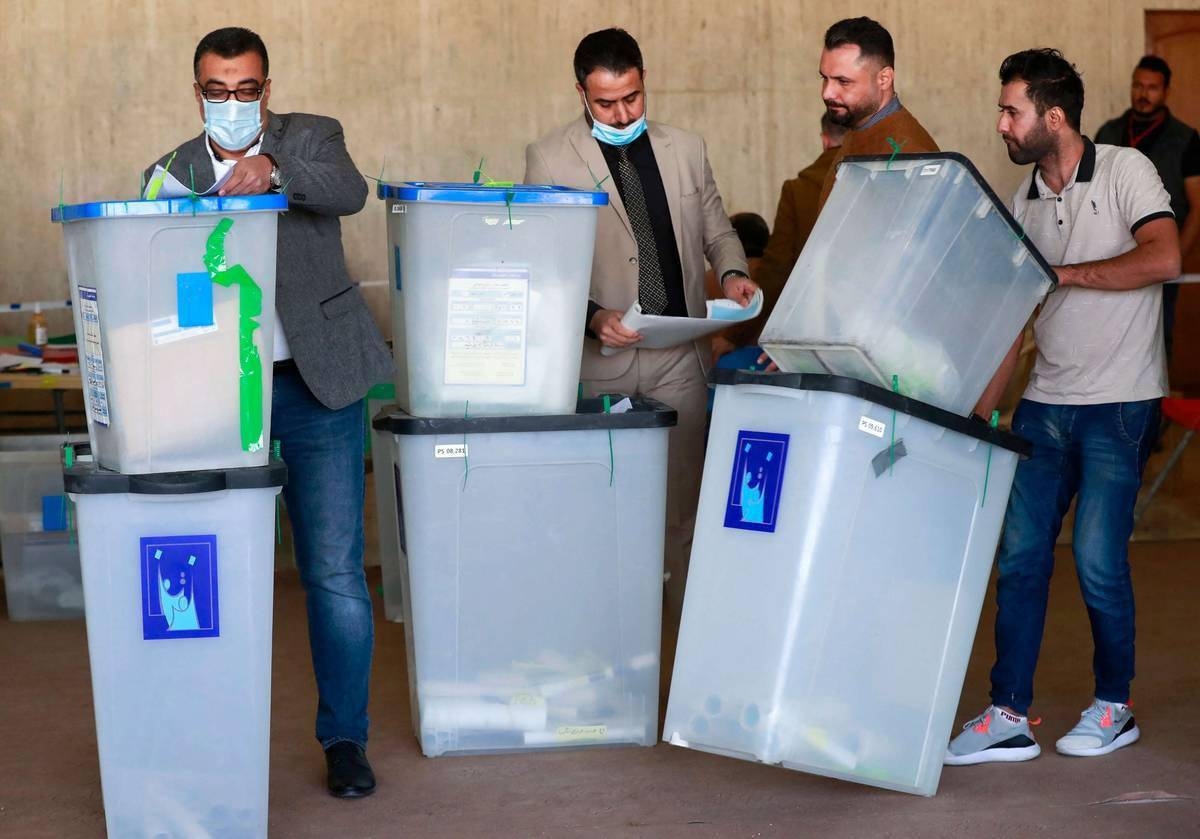
في لحظة فارقة وتوقيت مهم قبل نحو شهر على موعد الانتخابات التشريعية العراقية المقررة في العاشر من نوفمبر القادم، ألقت العقوبات الأمريكية بظلالها على مجمل المشهد السياسي بعد أن أدرجت وزارة الخزانة على لائحة العقوبات قائمة تضم كيانات وشخصيات وشركات عراقية وفصائل تابعة للحشد الشعبي وفصائل أخرى مرتبطة بالخارج.
ووجهت الوزارة الأمريكية في التاسع من أكتوبر الجاري اتهاما مباشرا لعدد من الشخصيات والكيانات بأنها واجهات لهيئة الحشد الشعبي وفصائل عقائدية مرتبطة عضويا بالخارج، تعمل بشكل ممنهج على التحايل على العقوبات المفروضة على إيران وتمكينها من الحصول على ملايين الدولارات.
رسالة سياسية
هذه الخطوة لم تكن مجرد إجراء مالي بالقدر الذي يرى فيها الشارع العراقي أنها رسالة سياسية أكدتها السفارة الأمريكية في بغداد والتي نشرت بيانا توضيحيا عبر منصة X جاء فيه أن الولايات المتحدة تسعى إلى ممارسة أقصى ضغط على إيران تستهدف فيه قوة القدس التابعة للحرس الثوري، والتي تدعم شركاء ووكلاء في المنطقة.
ولم يترك البيان مجالا للشك حين حدد بالاسم مجموعتين فاعلتين في العراق، هما «كتائب حزب الله» و«عصائب أهل الحق»، واصفا إياهما صراحة بأنهما «جماعات مسلحة تقوض سيادة العراق بشكل فعال وتضعف اقتصاده، وتشن هجمات ضد الأفراد والمصالح الأمريكية في مختلف أنحاء الشرق الأوسط»، وهو ما يمثل نقلة نوعية في الخطاب الأمريكي من التلميح إلى التصريح المباشر.
إن الخطر الحقيقي لهذه العقوبات يكمن في توقيتها المتزامن مع العد التنازلي للانتخابات وأهمية الأهداف التي طالتها، فهي لا تستهدف كيانات هامشية يمكن تجاهلها، بل تطال أفرادا وفصائل تعد لاعبين مركزيين في بنية السلطة ومؤسسات الدولة العراقية، فالعديد من الشخصيات المعاقبة ليسوا مجرد مرشحين للبرلمان، بل بينهم قادة سياسيون.
كما أن لبعض الفصائل المستهدفة أحزابا سياسية تتمتع بتمثيل نيابي حالي، بل وتتولى حقائب وزارية سيادية في حكومة محمد شياع السوداني، وتجهز نفسها لدفع عشرات المرشحين إلى البرلمان.
دفعة أولى من العقوبات
ويزيد من تعقيد الموقف التسريبات التي ترجح أن هذه القائمة من العقوبات ليست سوى الدفعة الأولى، وأن عقوبات جديدة قد تطال أطرافا أخرى متهمة بالصلات أو الأدوار ذاتها.
وفي ظل هذه التطورات المتسارعة التي تضع الحكومة العراقية في موقف لا تُحسد عليه، ومع بقاء شهر من عمرها الدستوري، ينشغل الشارع العراقي بالمزيد من التساؤلات ليس أقلها التساؤل حول ما إذا كانت الانتخابات ستُجرى أصلا في موعدها المقرر بمشاركة كيانات مصنفة إرهابية من قبل قوة عظمى.
وإذا ما جرت بالفعل وتمكنت هذه الجهات من حصد المقاعد، فهل سيعترف العالم بشرعية برلمان وحكومة يشارك فيها معاقبون دوليا؟، أم أن الأزمة ستفرض التأجيل كأمر واقع، وهو ما قد يدخل العراق في فراغ دستوري خطير؟
وهل سيتجه العراق نحو حلول استثنائية كتشكيل حكومة طوارئ، وهو الخيار الذي لوّح به رئيس مجلس النواب الحالي محمود المشهداني كطوق نجاة محتمل؟ أم أن المشهد برمته مفتوح على سيناريوهات أكثر قتامة وعنفا، كخروج مظاهرات عارمة ترفض هذا الواقع، أو حتى توجيه ضربات أمريكية لأهداف تابعة لهذه الفصائل، ما يجعل إجراء أي عملية ديمقراطية أمرا مستحيلا.
يبقى السؤال الأكبر:
هل يجد العراق نفسه كدولة يدفع ثمن أفعال هذه المجموعات والكيانات ويواجه خطر عقوبات اقتصادية شاملة قد تعصف باقتصاده الهش؟
بالتأكيد فإن العراقيين يترقبون بحذر وقلق بالغين ما ستحمله الأيام القادمة من إجابات على أسئلة وتساؤلات قد ترسم ملامح مستقبل البلاد لسنوات قادمة.
In a pivotal moment and important timing about a month before the scheduled Iraqi legislative elections on November 10, the American sanctions cast their shadow over the overall political scene after the Treasury Department included a list of Iraqi entities, individuals, companies, and factions affiliated with the Popular Mobilization Forces, as well as other factions linked to foreign entities, on its sanctions list.
On October 9, the American department directly accused several individuals and entities of being fronts for the Popular Mobilization Authority and ideologically linked factions that are organically connected to foreign interests, systematically working to circumvent the sanctions imposed on Iran and enabling it to obtain millions of dollars.
A Political Message
This step was not merely a financial measure, as the Iraqi street perceives it as a political message confirmed by the American embassy in Baghdad, which published a clarifying statement via platform X, stating that the United States seeks to exert maximum pressure on Iran, targeting the Quds Force of the Revolutionary Guard, which supports partners and proxies in the region.
The statement left no room for doubt when it specifically named two active groups in Iraq, namely "Hezbollah Brigades" and "Asa'ib Ahl al-Haq," explicitly describing them as "armed groups that effectively undermine Iraq's sovereignty and weaken its economy, launching attacks against American individuals and interests across the Middle East," representing a qualitative shift in the American discourse from hinting to direct declaration.
The real danger of these sanctions lies in their timing, coinciding with the countdown to the elections and the significance of the targets affected. They do not target marginal entities that can be ignored but rather individuals and factions considered central players in the power structure and state institutions in Iraq. Many of the sanctioned individuals are not just parliamentary candidates; among them are political leaders.
Moreover, some of the targeted factions have political parties that currently enjoy parliamentary representation and hold sovereign ministerial portfolios in the government of Mohammed Shia' al-Sudani, preparing to push dozens of candidates into the parliament.
First Batch of Sanctions
The situation is further complicated by leaks suggesting that this sanctions list is merely the first batch and that new sanctions may target other parties accused of similar connections or roles.
In light of these rapid developments that place the Iraqi government in an unenviable position, with only a month remaining in its constitutional term, the Iraqi street is preoccupied with more questions, not least of which is whether the elections will actually take place on schedule with the participation of entities classified as terrorist by a superpower.
If they do take place and these parties manage to secure seats, will the world recognize the legitimacy of a parliament and government that includes internationally sanctioned individuals? Or will the crisis impose a de facto postponement, potentially leading Iraq into a dangerous constitutional vacuum?
Will Iraq move towards exceptional solutions, such as forming an emergency government, a choice hinted at by the current Speaker of the House, Mahmoud al-Mashhadani, as a potential lifeline? Or is the entire scene open to darker and more violent scenarios, such as massive protests rejecting this reality, or even American strikes against targets affiliated with these factions, making any democratic process impossible?
The Bigger Question Remains:
Does Iraq find itself as a state paying the price for the actions of these groups and entities, facing the danger of comprehensive economic sanctions that could devastate its fragile economy?
Certainly, Iraqis are watching with caution and great anxiety what the coming days will bring in terms of answers to questions that may shape the future of the country for years to come.