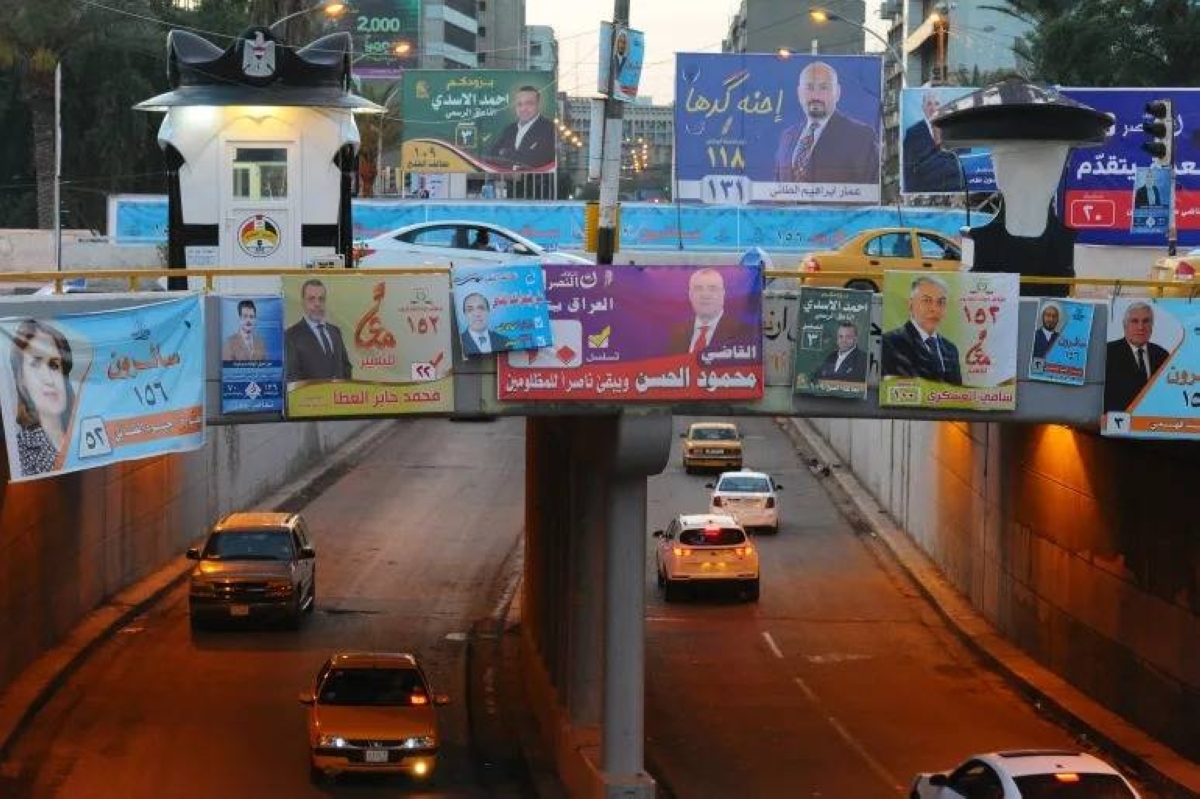
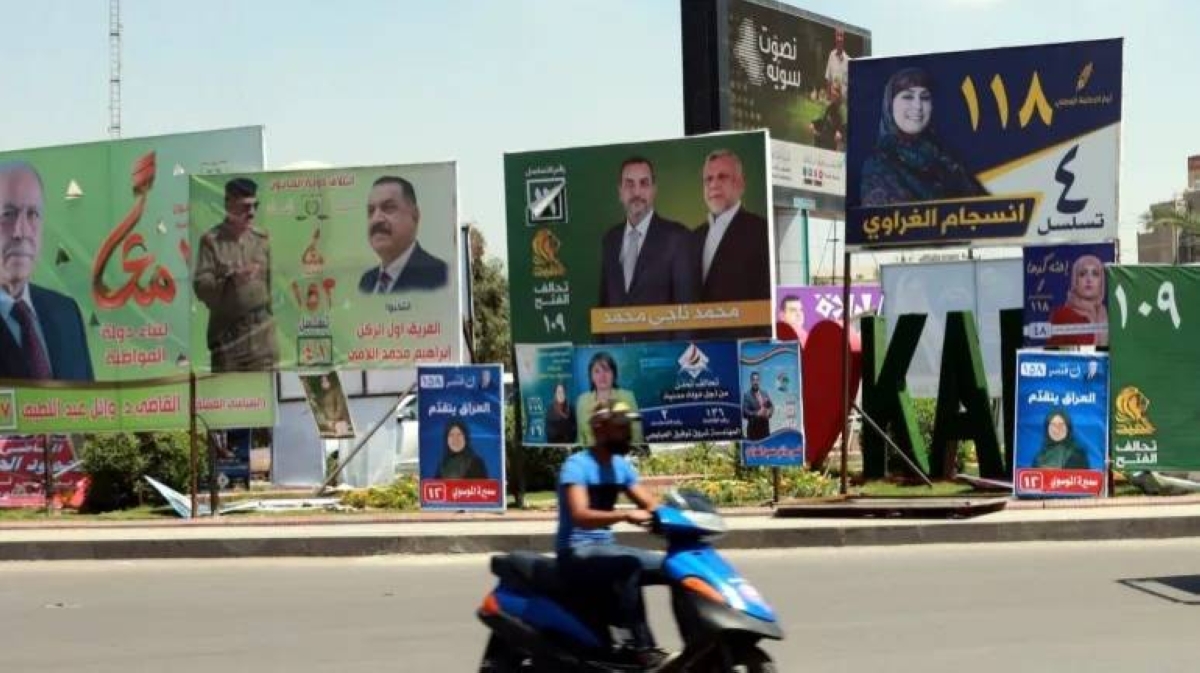
يبدو المشهد الانتخابي في العراق هذه المرة أكثر تعقيداً بعد أن تغيرت التحالفات الفصائلية والحزبية، ولأول مرة يخوض أكثر من نصف وزراء حكومة محمد شياع السوداني الانتخابات التي يفترض أن تجري الشهرالقادم، فيما يقدم زعيم ائتلاف دولة القانون نوري المالكي أكبر عددٍ من الوزراء المرشحين يليه السوداني.
وزراء سابقون
ويشارك في هذه الانتخابات عدد من الوزراء السابقين لكن بتحالفات جديدة إلى جانب بعض مستشاري الحكومة، ويشارك أكثر من 350 نائبًا سابقًا وحاليًا في الانتخابات منهم نحو 250 نائبًا في الدورة الحالية من أصل 329.
ويشارك رئيس البرلمان محمود المشهداني ونائباه في التنافس الانتخابي بالإضافة إلى رؤساء سابقين للمجلس.
بالمقابل يترشح في الانتخابات المرتقبة 13 وزيرًا من حكومة السوداني، بالإضافة إلى رئيس الوزراء الذي أعلن قبل عدة أشهر عن أكبر تحالف سياسي باسم
«الإعمار والتنمية» ويقدم 470 مرشحًا.
تحالف السوداني
وهذه هي المرة الأولى التي يشترك فيها السوداني في الانتخابات بعد تسلمه السلطة نهاية عام 2022، إذ كان قد منع بحسب الأوساط السياسية من خوض انتخابات 2023 المحلية.
وضم الائتلاف 7 تشكيلات تابعة لوزيرين حالي وسابق، إضافة إلى محافظ وزعيم عشائري قريب من السوداني ورئيس هيئة الحشد الشعبي فالح الفياض وأطراف أخرى ضمن «الحشد الشعبي». ومن الوزراء الحاليين المنخرطين في تحالف السوداني: أحمد الأسدي وزير العمل وزعيم فصيل جند الإمام، وهيام الياسري وزيرة الاتصالات.
وكان اشتراك السوداني في الانتخابات قد أغضب أطرافًا داخل تحالفى«الإطار التنسيقي». وقال نوري المالكي زعيم دولة القانون ومنافس السوداني على تسلسل واحد بغداد في الانتخابات: «إنه كان ينبغي عدم ترشح رئيس الوزراء».
ورشح المالكي 4 وزراء حاليين مع تحالف في 3 محافظات، وهم وزير النفط حيان عبد الغني عن البصرة والذي كانت تسربت معلومات قبل أشهر عن احتمال انتقاله إلى عصائب أهل الحق (قيس الخزعلي). وزير الكهرباء عن حزب الفضيلة المتحالف مع دولة القانون زياد علي عن البصرة أيضًا، وزير الشباب والرياضة أحمد المبرقع في بغداد، ووزير الزراعة عباس العلياوي عن النجف.
أما منظمة بدر بزعامة هادي العامري فترشح عنها وزير النقل رزاق محيبس عن ذي قار، وكانت ترددت أنباء عن حول احتمال شموله بالتعديل الحكومي الذي لم يستطع السوداني تنفيذه بسبب رفض القوى السياسية، بالمقابل رشحت «العصائب» وزير التعليم نعيم العبودي، وهو من مواليد ذي قار، لكنه يخوض التنافس تحت التسلسل رقم (1) في بغداد.
ويقدّم محمد الحلبوسي زعيم حزب تقدم ورئيس البرلمان السابق الذي يتنافس في بغداد تحت الرقم (1) بعيدًا عن مسقط رأسه في الأنبار وزيران اثنان في الحكومة، فيما يقود ثالث تحالفا تابعًا للحلبوسي في الأنبار.
ويشارك القيادي في «تقدم» محمد تميم وزير التخطيط ونائب رئيس الوزراء بالتسلسل الأول في كركوك ووزير الثقافة بالتسلسل (5) في نينوى، بالمقابل، يرأس خالد بتال، وزير الصناعة والقيادي في حزب الحلبوسي، تحالف «قمم» التابع للأخير في الأنبار.
القوى السنية
وفي سياق القوى السنية، يرأس وزير الدفاع ثابت العباسي تحالف «حسم» في نينوى، فيما انشق إبراهيم النامس وزير التربية، عن أحمد الجبوري (أبو مازن)، واشترك مع تحالف جديد تحت اسم «تفوق» في صلاح الدين. ورشحت كتلة بابليون المسيحية بزعامة ريان الكلداني وزيرة الهجرة الحالية إيفان فائق على الكوتا الخاصة بالمكوّن.
إلى ذلك، قرّر عشرة وزراء في الحكومة الحالية عدم الاشتراك في الانتخابات القادمة، وهم: وزير الداخلية عبد الأمير الشمري، وزيرة المالية طيف سامي، وزير الصحة صالح مهدي، ووزير الصناعة خالد بتال (يرأس قائمة الحلبوسي في الأنبار). إضافة إلى جميع الوزراء الكُرد، وهم: وزير الخارجية فؤاد حسين، وزير العدل خالد شواني، وزير الإعمار والإسكان بنكين ريكاني، ووزير البيئة هلو العسكري، وقرر وزير الموارد المائية عون ذياب، ووزير التجارة أثير الغريري، عدم خوض الانتخابات، وكلاهما كان قريبًا من الشمول بالترشيق الحكومي الذي لم يتحقق.
أما الوزراء السابقون الذين عادوا إلى التنافس، فأبرزهم: وزير الدفاع خالد العبيدي عن «تقدم» في نينوى. وأركان الشيباني وزير الاتصالات في حكومة مصطفى الكاظمي السابقة عن قائمة السوداني في بغداد، وحسن الشمري وزير العدل السابق، وترشح مع تحالف السوداني بعيدًا عن حزبه «الفضيلة» المتحالف مع المالكي.
وغادر عادل الركابي، وزيرُ العملِ السابق تحالفَ الحكمة (عمار الحكيم) وترشّح مع «العصائب» أما محمد توفيق علاوي، وزير الاتصالات الأسبق، فيرأس «تحالف المنقذون».
وترشح وزير التعليم السابق عبد ذياب العجيلي مع «تحالف عزم» برئاسة النائب مثنى السامرائي ووزير التربية السابق محمد إقبال مع كتلة وزير الدفاع «حسم» في الموصل.
وأظهرت قوائم الترشيح وجود مستشارين في الحكومة يشاركون في الانتخابات المرتقبة مع قائمة رئيس الوزراء. وأبرز هؤلاء المستشارين: رشيد العزاوي، أمين عام الحزب الإسلامي المتحالف مع فالح الفياض ضمن قائمة السوداني. وعبد الأمير الدبي، النائب السابق ومستشار الحكومة الذي انشقّ عن «العصائب».
إضافة إلى إبراهيم الصميدعي، الذي يعتقد أنه أُبعد قبل أشهر عن المستشارية بسبب تصريح له العام الماضي بخصوص الحشد الشعبي.
The electoral scene in Iraq this time seems more complicated after the factional and party alliances have changed. For the first time, more than half of the ministers in Mohammed Shia' al-Sudani's government are running in the elections that are supposed to take place next month, while the leader of the State of Law Coalition, Nouri al-Maliki, presents the largest number of candidate ministers, followed by al-Sudani.
Former Ministers
Several former ministers are participating in these elections, but with new alliances alongside some government advisors. More than 350 former and current deputies are participating in the elections, including about 250 deputies in the current session out of a total of 329.
The Speaker of Parliament, Mahmoud al-Mashhadani, and his two deputies are also competing in the elections, along with former heads of the council.
On the other hand, 13 ministers from al-Sudani's government are running in the upcoming elections, in addition to the Prime Minister, who announced several months ago the largest political alliance named
“Reconstruction and Development,” presenting 470 candidates.
Al-Sudani's Coalition
This is the first time al-Sudani participates in the elections after taking office at the end of 2022, as he had been prevented, according to political circles, from running in the 2023 local elections.
The coalition includes 7 formations affiliated with a current and former minister, in addition to a governor and a tribal leader close to al-Sudani, and the head of the Popular Mobilization Forces, Faleh al-Fayyad, along with other parties within the “Popular Mobilization.” Among the current ministers involved in al-Sudani's coalition are Ahmed al-Asadi, Minister of Labor and leader of the Imam's Soldiers faction, and Hayam al-Yasiri, Minister of Communications.
Al-Sudani's participation in the elections has angered some factions within the “Coordination Framework.” Nouri al-Maliki, the leader of the State of Law and al-Sudani's competitor for the number one position in Baghdad in the elections, stated: “The Prime Minister should not have run.”
Al-Maliki nominated 4 current ministers with a coalition in 3 provinces, including the Minister of Oil, Hayyan Abdul-Ghani from Basra, about whom information had leaked months ago regarding the possibility of his transition to the Asa'ib Ahl al-Haq (Qais al-Khazali). The Minister of Electricity from the Virtue Party allied with the State of Law, Ziad Ali from Basra as well, the Minister of Youth and Sports, Ahmed al-Mubarak in Baghdad, and the Minister of Agriculture, Abbas al-Aliwi from Najaf.
As for the Badr Organization led by Hadi al-Amiri, it nominated the Minister of Transport, Razak Muhaibs from Dhi Qar, and there were rumors about the possibility of including him in the government reshuffle that al-Sudani could not implement due to the rejection of political forces. In contrast, the “Asa'ib” nominated the Minister of Education, Naeem al-Aboudi, who was born in Dhi Qar, but he is competing under number (1) in Baghdad.
Mohammed al-Halbousi, the leader of the Progress Party and former Speaker of Parliament, who is competing in Baghdad under number (1) away from his hometown in Anbar, presents two ministers in the government, while a third leads a coalition affiliated with al-Halbousi in Anbar.
The leader of “Progress,” Mohammed Tamim, Minister of Planning and Deputy Prime Minister, is running first in Kirkuk, and the Minister of Culture is running fifth in Nineveh. Meanwhile, Khalid Battal, Minister of Industry and a leader in al-Halbousi's party, heads the “Peaks” coalition affiliated with him in Anbar.
Sunni Forces
In the context of Sunni forces, Minister of Defense Thabet al-Abbasi heads the “Hesham” coalition in Nineveh, while Ibrahim al-Namas, Minister of Education, split from Ahmad al-Jabouri (Abu Mazen) and joined a new coalition called “Excellence” in Salah al-Din. The Babylonian Christian bloc led by Rayan al-Kildani nominated the current Minister of Migration, Ivan Faiq, for the special quota for the component.
Additionally, ten ministers in the current government decided not to participate in the upcoming elections, including: Minister of Interior Abdul Amir al-Shammari, Minister of Finance Taif Sami, Minister of Health Saleh Mahdi, and Minister of Industry Khalid Battal (who heads al-Halbousi's list in Anbar). In addition to all Kurdish ministers, namely: Minister of Foreign Affairs Fuad Hussein, Minister of Justice Khalid Shwani, Minister of Construction and Housing Bankin Rikani, and Minister of Environment Hello al-Iraqi. Minister of Water Resources Aoun Diab and Minister of Trade Atheer al-Ghareeri also decided not to run, both of whom were close to being included in the government streamlining that did not materialize.
As for the former ministers who returned to compete, the most prominent among them is: Minister of Defense Khaled al-Obeidi from “Progress” in Nineveh. Arkan al-Shibani, Minister of Communications in Mustafa al-Kadhimi's previous government, is running on al-Sudani's list in Baghdad, and Hassan al-Shammari, the former Minister of Justice, is running with al-Sudani's coalition away from his party “Virtue,” which is allied with al-Maliki.
Adil al-Rakabi, the former Minister of Labor, left the Hikma Coalition (Amar al-Hakim) and ran with the “Asa'ib,” while Mohammed Tawfiq Allawi, the former Minister of Communications, heads the “Rescue Coalition.”
Former Minister of Education Abdul Diab al-Ajili is running with the “Azm Coalition” led by MP Muthana al-Samarrai, and former Minister of Education Mohammed Iqbal is running with the “Hesham” bloc in Mosul.
The nomination lists showed the presence of advisors in the government participating in the upcoming elections with the Prime Minister's list. Among these advisors are: Rashid al-Azzawi, Secretary-General of the Islamic Party allied with Faleh al-Fayyad within al-Sudani's list. And Abdul Amir al-Dubi, a former deputy and government advisor who split from the “Asa'ib.”
Additionally, Ibrahim al-Sumaydi, who is believed to have been removed months ago from the advisory position due to a statement he made last year regarding the Popular Mobilization.