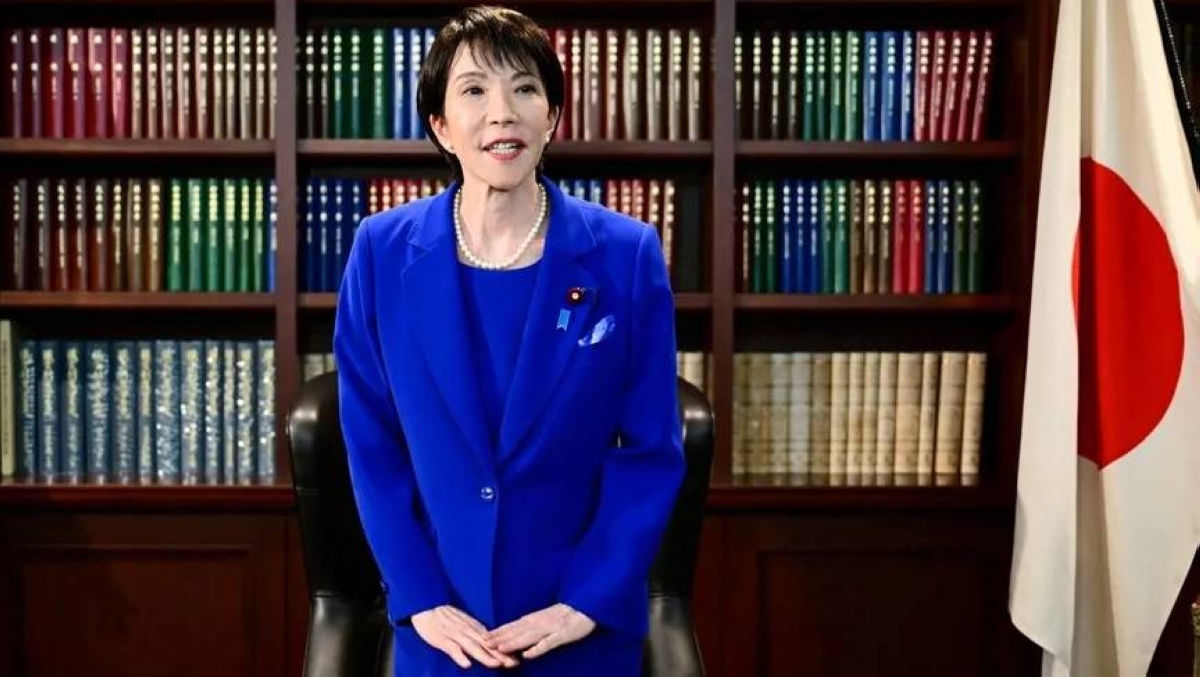
في ضربة قوية لزعيمة الحزب الليبرالي الديمقراطي الجديدة ساناي تاكايشي، انهار الائتلاف الحاكم في اليابان، ما أحدث هزة في الأسواق، اليوم (الجمعة)، بعد أن تفكك التحالف الذي وفر استقرارا سياسيا استمر لأكثر من ربع قرن.
وجاء الانفصال بعد فشل المحادثات بين زعيمة الحزب الليبرالي الديمقراطي تاكايشي، ورئيس حزب «كوميتو» الشريك الأصغر في الائتلاف تيتسو سايتو، في التوصل إلى اتفاق. وتمثل الانتكاسة أول أزمة سياسية لتاكايشي قبل أن تتولى رسميا منصب رئيسة الوزراء.
سايتو يغلق باب التفاوض
وعلى الرغم من محاولة تاكايشي إبقاء الباب مفتوحا أمام المفاوضات، معبرة عن رغبتها في عقد لقاء جديد الأسبوع القادم، إلا أن سايتو أغلق الباب بشكل قاطع، مؤكدا أن حزبه «لن يدعم مرشحي الحزب الليبرالي الديمقراطي في الانتخابات، ولن يصوت لصالح تاكايشي لتصبح رئيسة للوزراء»، إلا أنه ترك احتمال التعاون في بعض السياسات قائما.
وقالت تاكايشي في بيان: بالنظر إلى علاقتنا التي امتدت 26 عاما، بما في ذلك فترة وجودنا في صفوف المعارضة، فإننا نأسف بشدة على هذا القرار. لقد أُبلغنا بانسحابهم من الائتلاف بشكل أحادي.
قضية تمويل الأحزاب
وتبدو تاكايشي في موقف صعب، إذ تسعى لتشكيل حكومة أقلية تواجه صعوبة في تمرير الموازنة أو أي تشريعات جوهرية. ويأتي الانهيار في وقت تستعد فيه اليابان لجدول دبلوماسي مزدحم يشمل قمما إقليمية وزيارة مرتقبة للرئيس الأمريكي دونالد ترمب.
ويتمحور الخلاف الأساسي حول قضية تمويل الأحزاب، إذ طالب سايتو بفرض قواعد أكثر صرامة لضمان الشفافية بعد فضيحة تبرعات سياسية هزت الحزب الحاكم وأثارت غضب الرأي العام.
إنذار من كوميتو
وقال سايتو: «الرد الذي تلقيناه من الحزب الليبرالي الديمقراطي كان غير كاف، واقتصر على وعد بدراسة الأمر لاحقا. لذا نُنهي علاقاتنا».
من جانبها، أعلنت تاكايشي أنها فوجئت بإنذارٍ من «كوميتو» منحها يوما واحدا فقط للموافقة على مقترحات الحزب بشأن تمويل الأحزاب، بينما كانت تحتاج إلى 3 أيام للتشاور مع قادة حزبها.
البحث عن حلفاء آخرين
ويتوقع أن تسعى تاكايشي لإيجاد حلفاء بين أحزاب المعارضة، إلا أنها تواجه سباقا مع الزمن قبل تصويت البرلمان على اختيار رئيس الوزراء. وأرسلت بإشارات إيجابية إلى «الحزب الديمقراطي الشعبي» و«حزب الابتكار الياباني» في أوساكا، اللذين تعاونا سابقا مع الحزب الحاكم.
وثمة إمكانية لتوحد أحزاب المعارضة خلف مرشح بديل لرئاسة الحكومة، إذ كشف زعيم الحزب الديمقراطي الشعبي يويتشيرو تاماكي، أنه تواصل مع سايتو عقب الإعلان.
اضطراب الأسواق المالية
وشهدت الأسواق المالية اضطرابا بعد هذه التطورات؛ إذ ارتفع الين إلى 152.39 أمام الدولار قبل أن يتراجع مجددا، ليستقر قرب 152.68 في نهاية تعاملات الجمعة. ويُتوقع أن تؤثر حالة عدم اليقين السياسي على قرارات بنك اليابان بشأن رفع أسعار الفائدة، خصوصا مع احتمالات استمرار ضعف الين.
وقال المدير التنفيذي السابق لبنك اليابان المسؤول عن السياسة النقدية كازوو مومّا، إن انخفاض الين إلى مستوى 155 أو 160 قد يدفع البنك إلى رفع الفائدة بنهاية الشهر، مضيفا أن ضعف الين قد يشكل ضربة كبيرة لتاكايشي في ظل تصاعد التضخم.
تراجع مؤشر نيكاي
وتوقّع محللون أن يشهد مؤشر «نيكاي» تراجعا عند استئناف التداول بعد عطلة نهاية الأسبوع الطويلة، إذ أفاد رئيس إستراتيجية الاستثمار في شركة «بيكتيه لإدارة الأصول» في اليابان، جمبي تاناكا، بأنه إذا بقيت الأوضاع على حالها، فسيتراجع المؤشر بعد العطلة، بينما قد يتجه المستثمرون الأجانب إلى بيع العقود الآجلة خلال فترة الإجازة.
فيما حذر كبير الإستراتيجيين في شركة «سوميتومو ميتسو تراست» هيرويُكي أوينو من أن الحكومة القادمة ستكون هشة للغاية، وقد يؤدي الوضع الحالي إلى انتخابات عامة جديدة قريبا.
بانتظار تصويت البرلمان
يذكر أن تاكايشي فازت بزعامة الحزب الليبرالي الديمقراطي الحاكم في اليابان، بعدما حصدت 185 صوتا في جولة الإعادة أمام منافسها شينجيرو كويزومي الذي حصل على 156 صوتا، لتقترب من أن تصبح أول رئيسة وزراء في اليابان، بعد أن تحل محل شيجيرو إيشيبا المنتهية ولايته، في انتظار تصويت البرلمان والمصادقة على تعيينها في رئاسة الحكومة.
ولا يزال الحزب الليبرالي الديمقراطي صاحب أكبر عدد من المقاعد في البرلمان، لكن بعد الانتخابات الأخيرة، لم يعد الائتلاف الذي يقوده يتمتع بالأغلبية في أي من المجلسين، ويحتاج إلى دعم من نواب المعارضة ليتمكن من الحكم بفعالية.
In a major blow to the new leader of the Liberal Democratic Party, Sanae Takaiichi, the ruling coalition in Japan has collapsed, causing a shock in the markets today (Friday), after the alliance that provided political stability for more than a quarter of a century disbanded.
The split came after failed negotiations between Liberal Democratic Party leader Takaiichi and Tetsu Saito, the leader of the smaller coalition partner, Komeito, to reach an agreement. This setback represents the first political crisis for Takaiichi before she officially assumes the role of Prime Minister.
Saito Closes the Door on Negotiations
Despite Takaiichi's attempts to keep the door open for negotiations, expressing her desire for a new meeting next week, Saito firmly closed the door, confirming that his party "will not support the Liberal Democratic Party candidates in the elections, nor will it vote for Takaiichi to become Prime Minister," although he left the possibility of cooperation on some policies open.
Takaiichi stated in a statement: "Given our relationship that has lasted 26 years, including our time in the opposition, we deeply regret this decision. We were informed of their unilateral withdrawal from the coalition."
Party Funding Issue
Takaiichi appears to be in a difficult position as she seeks to form a minority government that will struggle to pass the budget or any significant legislation. The collapse comes at a time when Japan is preparing for a busy diplomatic schedule that includes regional summits and an anticipated visit from U.S. President Donald Trump.
The main dispute centers around the issue of party funding, as Saito demanded stricter rules to ensure transparency following a political donation scandal that shook the ruling party and angered public opinion.
Warning from Komeito
Saito said: "The response we received from the Liberal Democratic Party was insufficient, limited to a promise to consider the matter later. Therefore, we are ending our relations."
For her part, Takaiichi announced that she was surprised by a warning from Komeito that gave her only one day to agree to the party's proposals regarding party funding, while she needed three days to consult with her party leaders.
Searching for Other Allies
Takaiichi is expected to seek allies among opposition parties, but she faces a race against time before the parliament votes on the selection of a Prime Minister. She has sent positive signals to the "Democratic Party for the People" and the "Japan Innovation Party" in Osaka, which have previously cooperated with the ruling party.
There is a possibility for opposition parties to unite behind an alternative candidate for the premiership, as Democratic Party for the People leader Yuichiro Tamaki revealed that he contacted Saito following the announcement.
Financial Market Turmoil
The financial markets experienced turmoil following these developments; the yen rose to 152.39 against the dollar before retreating again, stabilizing around 152.68 at the end of Friday's trading. Political uncertainty is expected to impact the Bank of Japan's decisions regarding interest rate hikes, especially with the likelihood of continued yen weakness.
Former Bank of Japan executive responsible for monetary policy Kazuo Momma stated that a decline of the yen to 155 or 160 could prompt the bank to raise interest rates by the end of the month, adding that yen weakness could pose a significant blow to Takaiichi amid rising inflation.
Decline in the Nikkei Index
Analysts expect the Nikkei index to decline when trading resumes after the long weekend, as the head of investment strategy at Pictet Asset Management in Japan, Junpei Tanaka, reported that if conditions remain the same, the index will drop after the holiday, while foreign investors may sell futures during the holiday period.
Meanwhile, the chief strategist at Sumitomo Mitsui Trust, Hiroyuki Ueno, warned that the incoming government will be extremely fragile, and the current situation could lead to new general elections soon.
Awaiting Parliament Vote
It is worth noting that Takaiichi won the leadership of the ruling Liberal Democratic Party in Japan after receiving 185 votes in a runoff against her competitor Shinjirou Koizumi, who garnered 156 votes, bringing her closer to becoming Japan's first female Prime Minister, as she awaits the parliament's vote and approval of her appointment as head of government.
The Liberal Democratic Party still holds the largest number of seats in parliament, but after the recent elections, the coalition it leads no longer holds a majority in either chamber and needs support from opposition members to govern effectively.