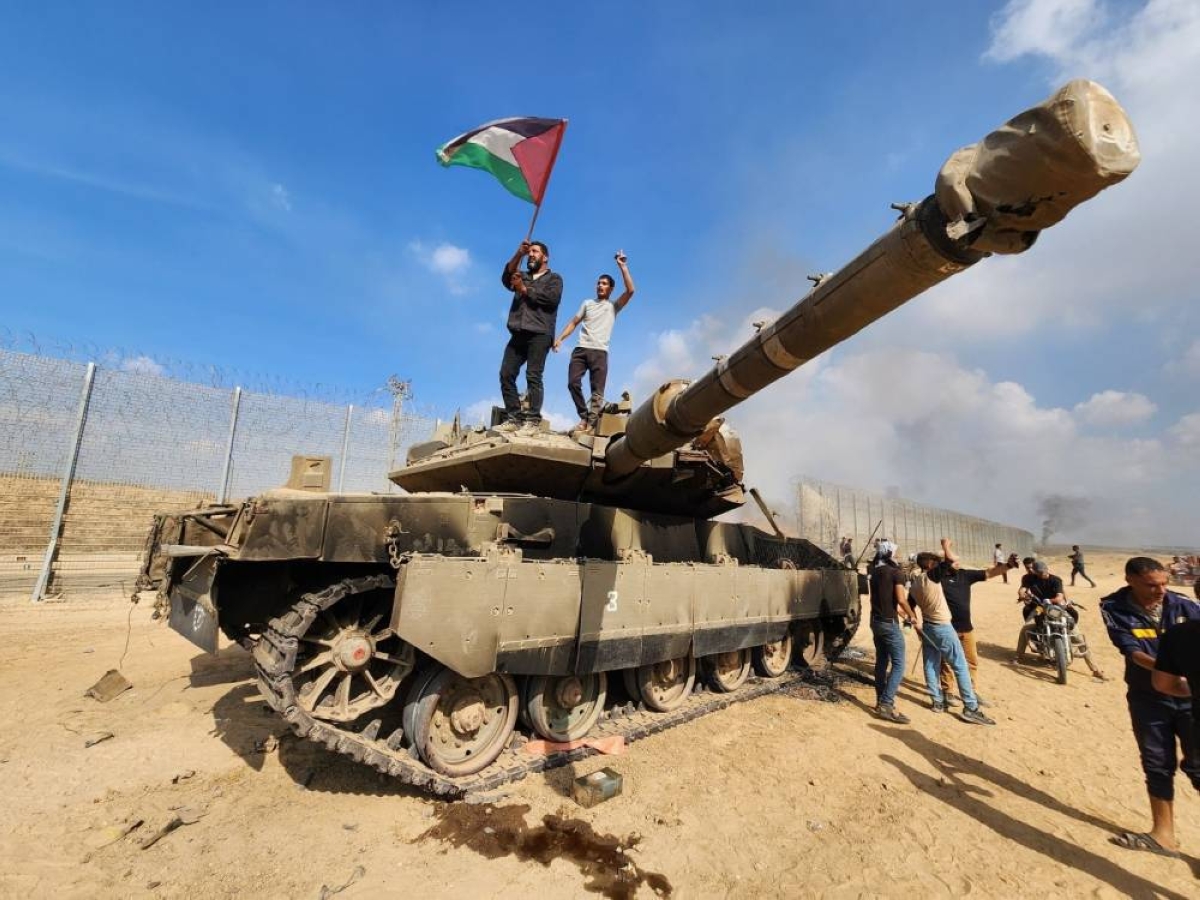
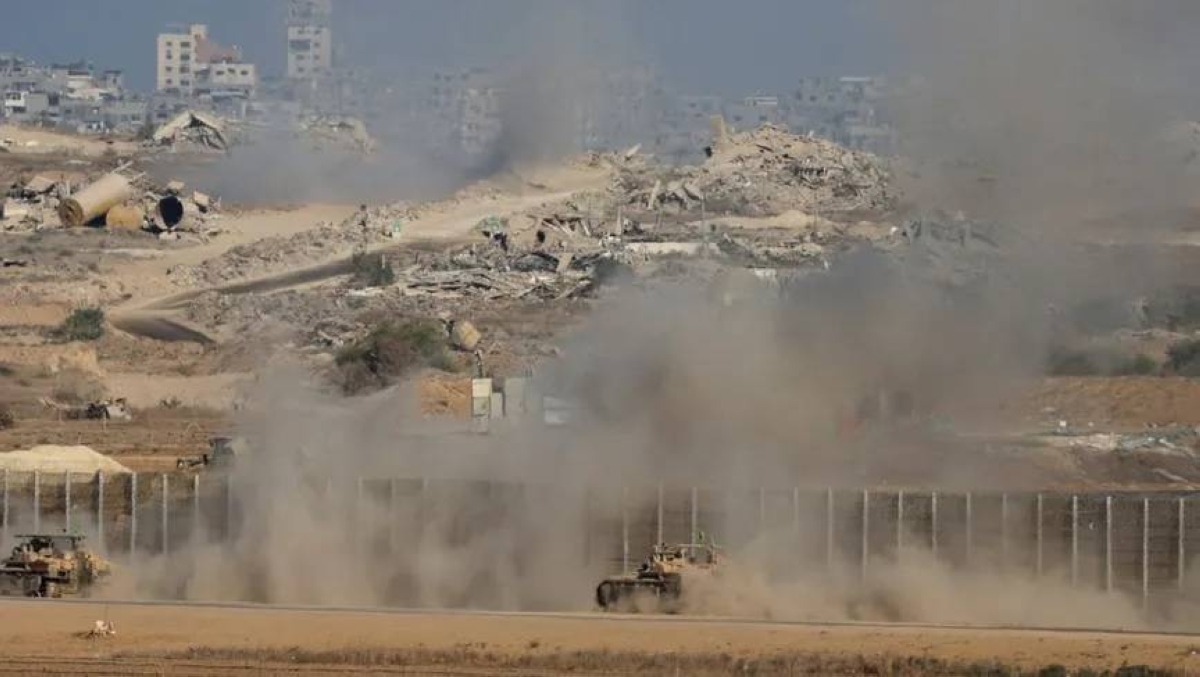
مر عامان على حرب الـ7 من أكتوبر 2023، عندما اندلعت المواجهة بين إسرائيل وحركة حماس، مشعلة مجازر وحرب إبادة راح ضحيتها عشرات الآلاف من المدنيين.
بعد عامين من الدمار والدماء، يقف قطاع غزة أمام مأساة إنسانية كبيرة، لا يمكن أن تقاس بالمعاناة فحسب، بل بالأرقام وإن تختزن حجم الكارثة.
قتلى فلسطينيون
أكثر من 67 ألف قتيل فلسطيني
تقدر السلطات الصحية في غزة مقتل أكثر من 67 ألف فلسطيني في القطاع منذ السابع من أكتوبر 2023، ثلثهم تقريباً دون سن 18 عاماً. وسبق أن ذكرت إسرائيل أن ما لا يقل عن 20 ألفاً من القتلى من المسلحين.
واتهمت لجنة تحقيق تابعة للأمم المتحدة الشهر الماضي، إسرائيل بارتكاب جرائم «إبادة جماعية» في غزة، واعتمدت على نطاق عمليات القتل كأحد الأدلة التي تدعم استنتاجها. ووصفت إسرائيل ما خلصت إليه اللجنة بأنه متحيز و«مخزٍ».
1,665 قتيلاً إسرائيلياً
وفقاً للبيانات الإسرائيلية الرسمية قُتل ما لا يقل عن 1,665 إسرائيلياً وأجنبياً خلال الفترة من الـ7 من أكتوبر 2023، و29 سبتمبر 2025 على صلة بالحرب، بينهم 1,200 قتلوا في هجوم 7 أكتوبر.
وقدر جيش الاحتلال بأن 466 من جنوده قتلوا في المواجهات وأصيب 2,951 آخرون منذ انطلاق عمليته البرية في غزة في 27 أكتوبر 2023.
وأسرت حماس 251 رهينة إلى غزة، وتعتقد إسرائيل أن 48 أسيراً لا يزالون في غزة، ويُعتقد أن 20 منهم على قيد الحياة.
تضرر 193 ألف مبنى
وأظهر تحليل أجراه مركز الأمم المتحدة للأقمار الصناعية لبيانات تعود إلى يوليو أن نحو 193 ألف مبنى في غزة تعرض للدمار أو الأضرار. وأضاف المركز أن نحو 213 مستشفى و1,029 مدرسة استُهدفت.
وأكدت منظمة الصحة العالمية، أن 14 مستشفى فقط من أصل 36 مستشفى كانت في غزة لا تزال تعمل بشكل جزئي، كما أن المستشفيات في جنوب غزة تجد صعوبة في مواكبة الأعباء.
وعبرت مفوضية الأمم المتحدة السامية لحقوق الإنسان عن قلقها البالغ إزاء مستوى الدمار في مدينة غزة المركز الحضري الرئيسي بالقطاع، مؤكدة أن أي عمل متعمد لنقل السكان سيكون بمثابة «تطهير عرقي».
نازحون فلسطينيون
من نزوح إلى نزوح
وأعلنت الأمم المتحدة أن نحو 18% من سكان قطاع غزة فقط لا يخضعون حالياً لأوامر نزوح أو محاصرين في مناطق عسكرية، فيما اضطر كثير من الفلسطينيين للنزوح مرات عدة.
ومنذ أن مددت قوات الاحتلال نطاق حرب الإبادة على مدينة غزة في منتصف أغسطس، متوعدة بالقضاء على مقاتلي حماس، سجلت الأمم المتحدة أكثر من 417 ألف حالة نزوح من شمال القطاع إلى جنوبه.
وتحدثت منظمات الإغاثة عن واقع مأساوي في جنوب غزة، إذ تتكدس العائلات في خيام مؤقتة والخدمات تحت وطأة الضغط الهائل عاجزة عن استيعاب هذا السيل البشري المتدفق.
تفشي المجاعة
وأكد مرصد معني بمراقبة الجوع بأن المجاعة تفشت في مدينة غزة ورجح اتساع رقعتها. وأفادت أداة التصنيف المرحلي المتكامل للأمن الغذائي، بأن نحو 514 ألف شخص، يمثلون ما يقارب ربع سكان غزة، يعانون من مجاعة.
ووفقاً لوزارة الصحة في غزة، لقي ما لا يقل عن 177 شخصا بينهم 36 طفلاً، حتفهم نتيجة للجوع أو سوء التغذية منذ تأكيد تفشي المجاعة في مناطق من القطاع.
وقال صندوق الأمم المتحدة للسكان إن أكثر من 60% من النساء الحوامل والأمهات الجدد يعانين من سوء التغذية.
عقبات لوجستية
ورغم أن قوات الاحتلال رفعت الحصار عن القطاع بعد نحو 11 أسبوعاً، ومنعت دخول المساعدات، فإن وكالات الإغاثة تؤكد إن ما يصل من مساعدات لا يكاد يلامس حجم الحاجات الهائلة. وكشفت الوكالات أنها لا تزال تصطدم بعقبات لوجستية، بما في ذلك إغلاق معبر زيكيم بين غزة وإسرائيل في 12 سبتمبر، وإغلاق جسر الملك حسين الذي يربط بين الضفة الغربية المحتلة والأردن أمام إمدادات المساعدات الغذائية في 24 سبتمبر.
وبحسب مكتب الأمم المتحدة لتنسيق الشؤون الإنسانية، تم اعتراض نحو 73% من شاحنات المساعدات الغذائية المتجهة إلى غزة خلال سبتمبر إما على أيدي مدنيين يعانون من الجوع أو عصابات مسلحة. وأظهرت بيانات لمكتب الأمم المتحدة لتنسيق الشؤون الإنسانية أن ما لا يقل عن 2,340 شخصاً قتلوا منذ 27 مايو أثناء محاولتهم الحصول على الطعام أو المساعدات في قطاع غزة، نحو نصفهم سقطوا قرب مواقع إمداد عسكرية، فيما لقي الباقون حتفهم على امتداد طرق قوافل الإغاثة.
Two years have passed since the October 7, 2023 war, when the confrontation between Israel and Hamas erupted, igniting massacres and a war of extermination that claimed the lives of tens of thousands of civilians.
After two years of destruction and bloodshed, the Gaza Strip stands before a major humanitarian tragedy, which cannot be measured by suffering alone, but also by the numbers that encapsulate the magnitude of the disaster.
قتلى فلسطينيون
More than 67,000 Palestinian fatalities
Health authorities in Gaza estimate that more than 67,000 Palestinians have been killed in the Strip since October 7, 2023, nearly a third of whom are under the age of 18. Israel has previously stated that at least 20,000 of the dead were militants.
A United Nations investigative committee accused Israel last month of committing "genocide" in Gaza, relying on the scale of the killings as one of the pieces of evidence supporting its conclusion. Israel described the committee's findings as biased and "shameful."
1,665 Israeli fatalities
According to official Israeli data, at least 1,665 Israelis and foreigners were killed between October 7, 2023, and September 29, 2025, in connection with the war, including 1,200 who were killed in the October 7 attack.
The occupying army estimated that 466 of its soldiers were killed in the confrontations and 2,951 others were injured since the launch of its ground operation in Gaza on October 27, 2023.
Hamas captured 251 hostages to Gaza, and Israel believes that 48 hostages are still in Gaza, with 20 of them believed to be alive.
193,000 buildings damaged
An analysis conducted by the United Nations Satellite Center on data dating back to July showed that approximately 193,000 buildings in Gaza have been destroyed or damaged. The center added that around 213 hospitals and 1,029 schools were targeted.
The World Health Organization confirmed that only 14 out of 36 hospitals that were in Gaza are still partially operational, and hospitals in southern Gaza are struggling to cope with the burdens.
The United Nations High Commissioner for Human Rights expressed grave concern over the level of destruction in Gaza City, the main urban center of the Strip, asserting that any deliberate act to transfer populations would constitute "ethnic cleansing."
نازحون فلسطينيون
From displacement to displacement
The United Nations announced that only about 18% of the population of the Gaza Strip is currently not subject to displacement orders or trapped in military zones, while many Palestinians have been forced to displace multiple times.
Since the occupying forces extended the scope of their genocidal war on Gaza City in mid-August, vowing to eliminate Hamas fighters, the United Nations has recorded over 417,000 cases of displacement from the northern to the southern part of the Strip.
Relief organizations have reported a tragic reality in southern Gaza, where families are crammed into temporary tents and services are under immense pressure, unable to accommodate this overwhelming influx of people.
Famine outbreak
A hunger monitoring observatory confirmed that famine has spread in Gaza City and is likely to expand further. The Integrated Food Security Phase Classification tool reported that about 514,000 people, representing nearly a quarter of Gaza's population, are suffering from famine.
According to the Gaza Ministry of Health, at least 177 people, including 36 children, have died due to hunger or malnutrition since the confirmation of famine in parts of the Strip.
The United Nations Population Fund stated that more than 60% of pregnant women and new mothers are suffering from malnutrition.
Logistical obstacles
Although the occupying forces lifted the blockade on the Strip after nearly 11 weeks and prevented aid from entering, relief agencies confirm that the amount of aid reaching the area barely touches the scale of the immense needs. Agencies revealed that they continue to face logistical obstacles, including the closure of the Zikim crossing between Gaza and Israel on September 12, and the closure of the King Hussein Bridge linking the occupied West Bank to Jordan for food aid supplies on September 24.
According to the United Nations Office for the Coordination of Humanitarian Affairs, about 73% of food aid trucks heading to Gaza during September were intercepted either by civilians suffering from hunger or armed gangs. Data from the United Nations Office for the Coordination of Humanitarian Affairs indicated that at least 2,340 people have been killed since May 27 while trying to obtain food or aid in the Gaza Strip, with about half of them falling near military supply sites, while the rest were killed along the routes of relief convoys.