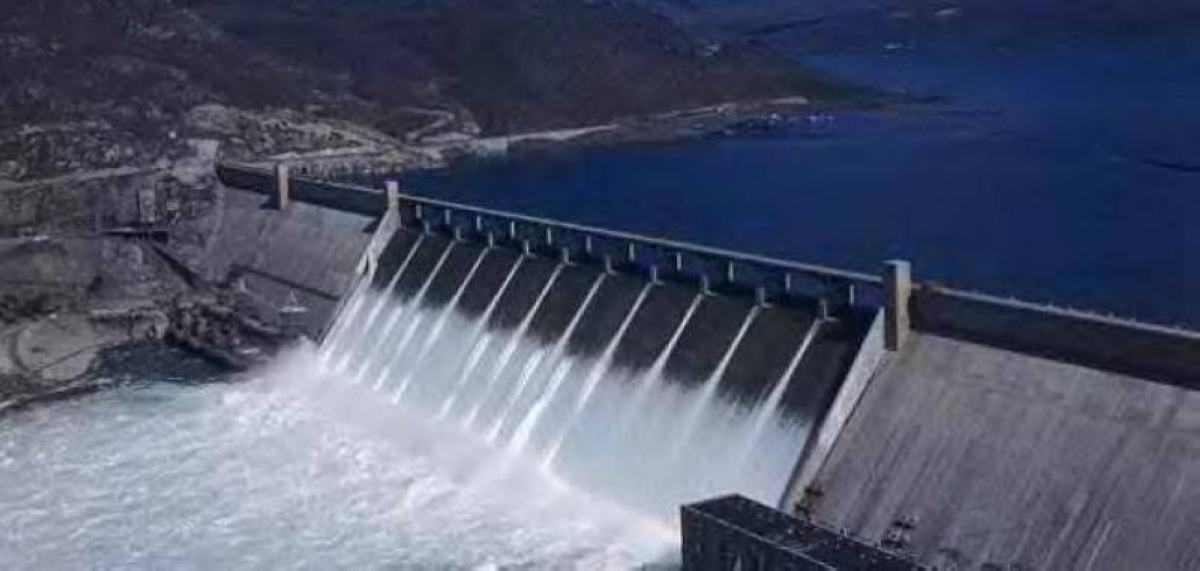
أكد رئيس الوزراء المصري مصطفى مدبولي أن القاهرة أعدت خططاً مسبقة لاستقبال كميات المياه الضخمة القادمة من إثيوبيا، مشيراً إلى أن هذا التصريف المتوقع يأتي مع ملء سعة السد الكاملة بالتزامن مع هطول الأمطار الموسمية، وذلك في ظل تصعيد التوترات حول سد النهضة الإثيوبي بعد افتتاحه رسمياً الأسبوع الماضي.
وحذر مدبولي خلال مؤتمر صحفي الخميس من غمر مؤقت لبعض الأراضي في دلتا النيل، مع انتقاد الإدارة الأحادية الإثيوبية التي أدت إلى فيضانات في السودان، مؤكداً أن مصر لن تتنازل عن حقوقها المائية رغم دعمها للتنمية في حوض النيل.
وأوضح مدبولي أن الحكومة المصرية توقعت هذا السيناريو منذ إعلان إثيوبيا اكتمال بناء السد في يوليو الماضي وافتتاحه في 9 سبتمبر، ما دفع إلى اتخاذ قرار مبكر بزيادة تصريف المياه من السد العالي في أسوان إلى نهر النيل.
وقال رئيس الوزراء المصري: «توقعنا تصريف كميات كبيرة من المياه لملء بحيرة السد، خاصة مع فترة الأمطار، ولدينا خطط جاهزة لتصريفها»، مضيفاً أن هذه العملية مستمرة طوال شهر أكتوبر مع تدفق المياه من السودان وإثيوبيا جنوباً.
فيضانات مدمرة.
ارتفاع منسوب النهر سيؤدي إلى غمر بعض الأراضي المحيطة في الدلتا
وأشار مدبولي إلى أن ارتفاع منسوب النهر سيؤدي إلى غمر بعض الأراضي المحيطة في الدلتا، خصوصاً في محافظتي المنوفية والبحيرة، لكنها «أراضٍ غير قانونية تم التعدي عليها من قبل المواطنين، وهي جزء أصيل من حرم النهر».
مشيراً إلى أن هذه الأراضي تظهر فقط مع انحسار المياه ويزرعها بعض الأهالي، وأن تصريحه يهدف إلى استباق الشكاوى المحتملة، موجهاً المحافظين بالتنبيه المبكر للمواطنين، مع الاستفادة من الزيادة في تحسين جودة المياه في الترع والقنوات، وضخ المياه الزائدة إلى المزارعين لدعم الري.
وفي سياق أوسع انتقد مدبولي الإدارة الإثيوبية المنفردة، قائلاً: «غياب التنسيق المشترك تسبب في فيضانات مدمرة في السودان»، وأكد أن مصر لا تعارض التنمية في إثيوبيا، لكنها ترفض أي تصرفات أحادية تضر بالدول النهرية الأخرى، مشدداً على أن «مصر ستحمي حقوقها المائية بكل الوسائل».
يأتي هذا التصريح في أعقاب افتتاح السد، الذي أثار احتجاجات مصرية رسمية ودبلوماسية، حيث حذرت القاهرة في أسبوع القاهرة للمياه (أكتوبر 2024) من أن التشغيل الأحادي يهدد بفقدان 15% من الأراضي الزراعية، و1.1 مليون فرصة عمل في مصر خلال الجفاف.
ومع تزايد التصريف الإثيوبي لملء البحيرة (نحو 74 مليار متر مكعب)، ارتفع منسوب النيل في أسوان بنسبة 20% خلال الأسبوعين الماضيين، ما دفع مصر إلى تنشيط خطط طوارئ تشمل زيادة التصريف إلى 1,200 متر مكعب/ثانية.
The Egyptian Prime Minister Mostafa Madbouly confirmed that Cairo has prepared prior plans to receive the massive amounts of water coming from Ethiopia, noting that this expected discharge coincides with the filling of the dam's full capacity alongside the seasonal rains, amidst escalating tensions surrounding the Grand Ethiopian Renaissance Dam following its official inauguration last week.
During a press conference on Thursday, Madbouly warned of temporary flooding in some areas of the Nile Delta, criticizing the unilateral Ethiopian management that has led to flooding in Sudan, affirming that Egypt will not relinquish its water rights despite its support for development in the Nile Basin.
Madbouly explained that the Egyptian government anticipated this scenario since Ethiopia announced the completion of the dam's construction last July and its inauguration on September 9, prompting an early decision to increase water discharge from the High Dam in Aswan into the Nile River.
The Egyptian Prime Minister stated: “We expected large amounts of water to be discharged to fill the dam's reservoir, especially during the rainy season, and we have plans ready to manage it,” adding that this process will continue throughout October with water flowing from Sudan and Ethiopia to the south.
فيضانات مدمرة.
The rise in river levels will lead to flooding of some surrounding lands in the delta
Madbouly pointed out that the rise in river levels will lead to flooding of some surrounding lands in the delta, particularly in the Menoufia and Beheira governorates, but these are “illegal lands that have been encroached upon by citizens, and they are an integral part of the river's sanctity.”
He noted that these lands only appear when the water recedes and are cultivated by some locals, and that his statement aims to preempt potential complaints, directing governors to provide early warnings to citizens, while benefiting from the increase to improve water quality in the canals and channels, and pumping excess water to farmers to support irrigation.
In a broader context, Madbouly criticized the unilateral Ethiopian management, stating: “The lack of joint coordination has caused devastating floods in Sudan,” and emphasized that Egypt does not oppose development in Ethiopia, but rejects any unilateral actions that harm other riparian countries, stressing that “Egypt will protect its water rights by all means.”
This statement comes in the wake of the dam's inauguration, which has sparked official and diplomatic protests from Egypt, as Cairo warned during the Cairo Water Week (October 2024) that unilateral operation threatens to lose 15% of agricultural land and 1.1 million job opportunities in Egypt during drought conditions.
As Ethiopian discharge increases to fill the reservoir (about 74 billion cubic meters), the Nile level in Aswan has risen by 20% over the past two weeks, prompting Egypt to activate emergency plans that include increasing discharge to 1,200 cubic meters/second.