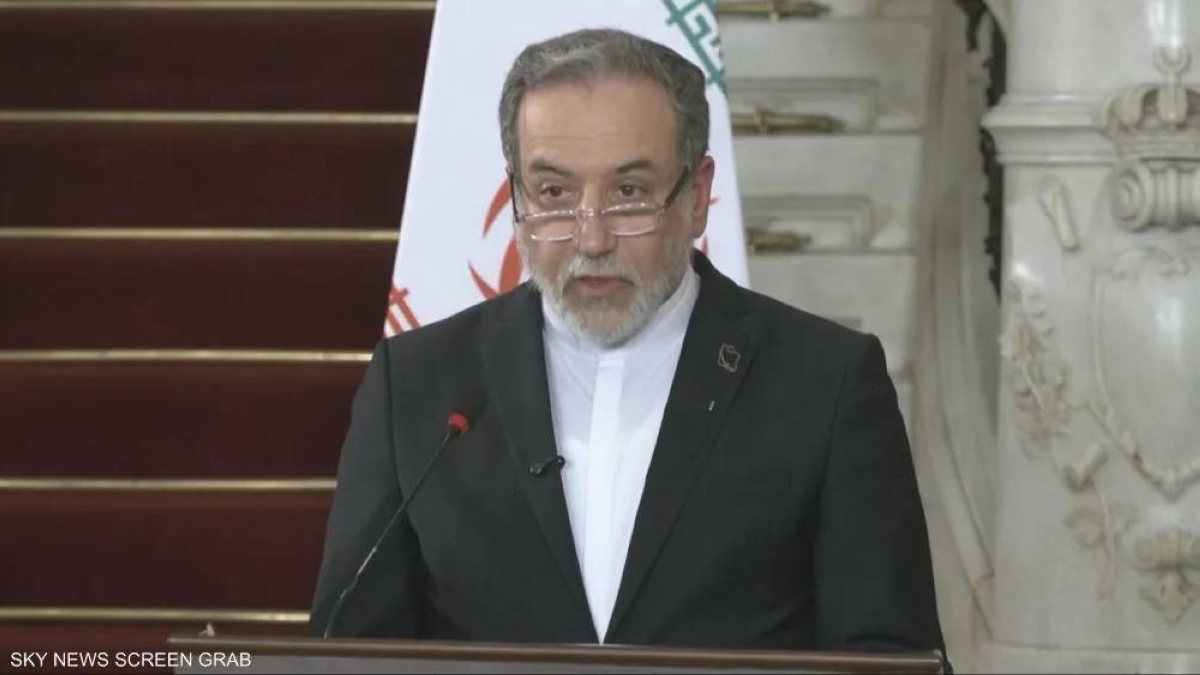
بعد ساعات قليلة على إعادة فرض عقوبات الأمم المتحدة المتعلقة بالبرنامج النووي والتي رُفعت قبل عشر سنوات، ندّدت السلطات الإيرانية بإعادة فرض العقوبات الأممية، ووصفتها بأنها «غير مبررة». واعتبرت وزارة الخارجية الإيرانية في بيان، اليوم(الأحد)، أن إعادة تفعيل قرارات ملغاة يمثل إساءة واضحة للمسار القانوني، مؤكدة أن أي محاولة للقيام بذلك باطلة ولاغية. وتعهدت طهران بأنها ستتخذ رداً حازماً ومناسباً.
إساءة للمسار القانوني
وأعلنت الخارجية أن الجمهورية الإسلامية الإيرانية ستدافع بحزم عن حقوقها ومصالحها الوطنية، وستُقابل أي عمل يهدف إلى المساس بمصالح شعبها وحقوقه برد حازم ومناسب. ونددت بإعادة تفعيل العقوبات معتبرة أنها إساءة واضحة للمسار القانوني وأي محاولة للقيام بذلك باطلة ولاغية، ودعت الدول إلى عدم تطبيقها.
وبحسب الوكالة الدولية للطاقة الذرية، فإن إيران الدولة الوحيدة غير النووية التي تخصّب اليورانيوم بمستويات عالية (60%) قريبة من الحدّ التقني اللازم لإنتاج القنبلة الذرية (90%).
رسالة من عراقجي إلى غوتيريش
وأطلقت دول الترويكا الأوروبية (بريطانيا وفرنسا وألمانيا) في أواخر أغسطس ما يعرف بـ«آلية الزناد» التي تتيح إعادة فرض العقوبات التي رفعت عن إيران بعد اتفاق العام 2015.
وقبل دخول القرار حيز التنفيذ، استدعت طهران سفراءها في فرنسا وألمانيا وبريطانيا للتشاور، وفق ما أفاد الإعلام الرسمي الإيراني، أمس (السبت).
من جانبه، دعا وزير الخارجية الإيراني عباس عراقجي، الأمين العام للأمم المتحدة أنطونيو غوتيريش إلى منع تفعيل آلية تنفيذ العقوبات التي أُعيد فرضها على طهران.
وكتب عراقجي في رسالة موجهة إلى غوتيريش، ونشرها على منصة «إكس»: «نحثكم على منع أي محاولة لإعادة تفعيل آليات العقوبات، بما في ذلك لجنة العقوبات وهيئة الخبراء»، مضيفاً أن طهران لن تعترف بأي محاولة لتمديد أو إعادة تفعيل أو فرض عقوبات الأمم المتحدة.
وأعيد اليوم (الأحد)، فرض مجموعة عقوبات أممية على إيران على خلفية برنامجها النووي سبق أن رفعت بموجب اتفاق العام 2015.
ماذا تستهدف العقوبات؟
تستهدف العقوبات الأممية شركات ومنظمات وأفراداً يساهمون بشكل مباشر أو غير مباشر في برنامج إيران النووي أو تطوير صواريخها الباليستية. ويعد تقديم المعدات والخبرات أو التمويل من مبررات فرض العقوبات. وتشمل العقوبات حظراً على الأسلحة التقليدية مع منع أي بيع أو نقل للأسلحة إلى إيران.
وبموجب العقوبات، تحظر الواردات والصادرات أو نقل مكوّنات أو تكنولوجيا مرتبطة ببرنامجيها النووي والباليستي، وتجمد أصول كيانات وأفراد في الخارج تعود إلى شخصيات أو مجموعات إيرانية على صلة بالبرنامج النووي.
ويمنع الأشخاص الذين يصنّفون على أنهم مشاركون في نشاطات نووية محظورة من السفر إلى الدول الأعضاء في الأمم المتحدة. ويتوجب على الدول الأعضاء في الأمم المتحدة تقييد الوصول إلى منشآت مصرفية ومالية يمكن أن تساعد برنامجي إيران النووي والباليستي، وتُجمّد أصول أي شخص ينتهك نظام العقوبات حول العالم.
A few hours after the re-imposition of United Nations sanctions related to the nuclear program that were lifted ten years ago, Iranian authorities condemned the reinstatement of the UN sanctions, describing them as "unjustified." The Iranian Foreign Ministry stated in a statement today (Sunday) that reactivating canceled decisions represents a clear violation of the legal process, emphasizing that any attempt to do so is invalid and null. Tehran pledged that it would take a firm and appropriate response.
Violation of the Legal Process
The Foreign Ministry announced that the Islamic Republic of Iran will firmly defend its rights and national interests and will respond firmly and appropriately to any action aimed at undermining the interests and rights of its people. It condemned the reactivation of the sanctions, considering it a clear violation of the legal process, and any attempt to do so is invalid and null, calling on countries not to implement them.
According to the International Atomic Energy Agency, Iran is the only non-nuclear state that enriches uranium at high levels (60%) close to the technical threshold required to produce an atomic bomb (90%).
A Message from Araqchi to Guterres
The European troika countries (Britain, France, and Germany) launched what is known as the "snapback mechanism" in late August, which allows for the re-imposition of sanctions that were lifted from Iran following the 2015 agreement.
Before the decision took effect, Tehran summoned its ambassadors in France, Germany, and Britain for consultations, according to Iranian state media yesterday (Saturday).
For his part, Iranian Foreign Minister Abbas Araqchi called on UN Secretary-General Antonio Guterres to prevent the activation of the sanctions mechanism that has been re-imposed on Tehran.
Araqchi wrote in a letter addressed to Guterres, which he published on the "X" platform: "We urge you to prevent any attempt to reactivate sanctions mechanisms, including the sanctions committee and the panel of experts," adding that Tehran will not recognize any attempt to extend, reactivate, or impose UN sanctions.
Today (Sunday), a set of UN sanctions was re-imposed on Iran in connection with its nuclear program that had previously been lifted under the 2015 agreement.
What Do the Sanctions Target?
The UN sanctions target companies, organizations, and individuals who contribute directly or indirectly to Iran's nuclear program or the development of its ballistic missiles. Providing equipment, expertise, or financing is among the justifications for imposing sanctions. The sanctions include a ban on conventional weapons with a prohibition on any sale or transfer of weapons to Iran.
Under the sanctions, imports and exports or the transfer of components or technology related to its nuclear and ballistic programs are prohibited, and the assets of entities and individuals abroad linked to the nuclear program are frozen.
Individuals classified as participants in prohibited nuclear activities are banned from traveling to UN member states. UN member states are required to restrict access to banking and financial facilities that could assist Iran's nuclear and ballistic programs, and the assets of anyone violating the sanctions regime worldwide are frozen.