مع قرب دخول العقوبات الأمريكية على العراق حيز التنفيذ، بدأت إسرائيل إطلاق تهديدات مباشرة بتوجيه ضربات عسكرية ضد الفصائل المسلحة، وسط توقف الاتصالات بين واشنطن وبغداد.
الأزمة الأمريكية-العراقية ظهرت على السطح قبيل اجتماعات الأمم المتحدة في دورتها العشرين في نيويورك، إذ لوحظ غياب رئيس الوزراء محمد شياع السوداني عن المشاركة، ومثل العراق الرئيس عبداللطيف جمال رشيد.
وبرر مسؤول عراقي لـ«عكاظ» عدم مشاركة السوداني ومسؤولين آخرين بأن واشنطن لم تمنحهم تأشيرات دخول لحضور الاجتماعات الأممية.
وتأتي هذه التطورات وسط أنباء عن فشل التواصل بين بغداد وواشنطن وتعثر عمل سفارتي البلدين ولجوء العراق إلى البحث عن «لوبيات» لإعادة العلاقة مع الإدارة الأمريكية.
واعتبر وزير الخارجية العراقي فؤاد حسين أن بلاده باتت ساحة حرب مفتوحة، لافتا إلى أن جغرافية العراق وسماءه أصبحت ساحة حرب، وهناك تبعات لهذه الهجمات (بين إيران وإسرائيل)، معربا عن أمله في إمكانية حل هذه التوترات عبر الطرق الدبلوماسية.
ورفض وزير الخارجية التهديدات التي أطلقها رئيس الوزراء الإسرائيلي بنيامين نتنياهو، مؤكداً أن استهداف أي عراقي هو هجوم على العراق وسيادته.
وشدد حسين، في تصريحات صحفية، على رفض بغداد القاطع لأي تهديدات تستهدف سيادة العراق، مؤكدا أن تصريحات نتنياهو حول إمكانية شن هجمات على أهداف داخل العراق غير مقبولة ومرفوضة تماما.
وبحسب الوزير العراقي، فإن العراق بلد ذو سيادة، ولن يسمح بأن يكون ساحة لتصفية الحسابات أو تهديدا لأمن المنطقة.
وهدد نتنياهو في خطاب أمام الأمم المتحدة، أمس (الجمعة)، بالقضاء على قادة الجماعات في العراق في حال تم الاعتداء على إسرائيل، معتبرا أن تل أبيب نجحت في ردع هذه الجماعات.
هل بدأ العد التنازلي للعقوبات الأمريكية على العراق؟
27 سبتمبر 2025 - 15:29
|
آخر تحديث 27 سبتمبر 2025 - 15:58
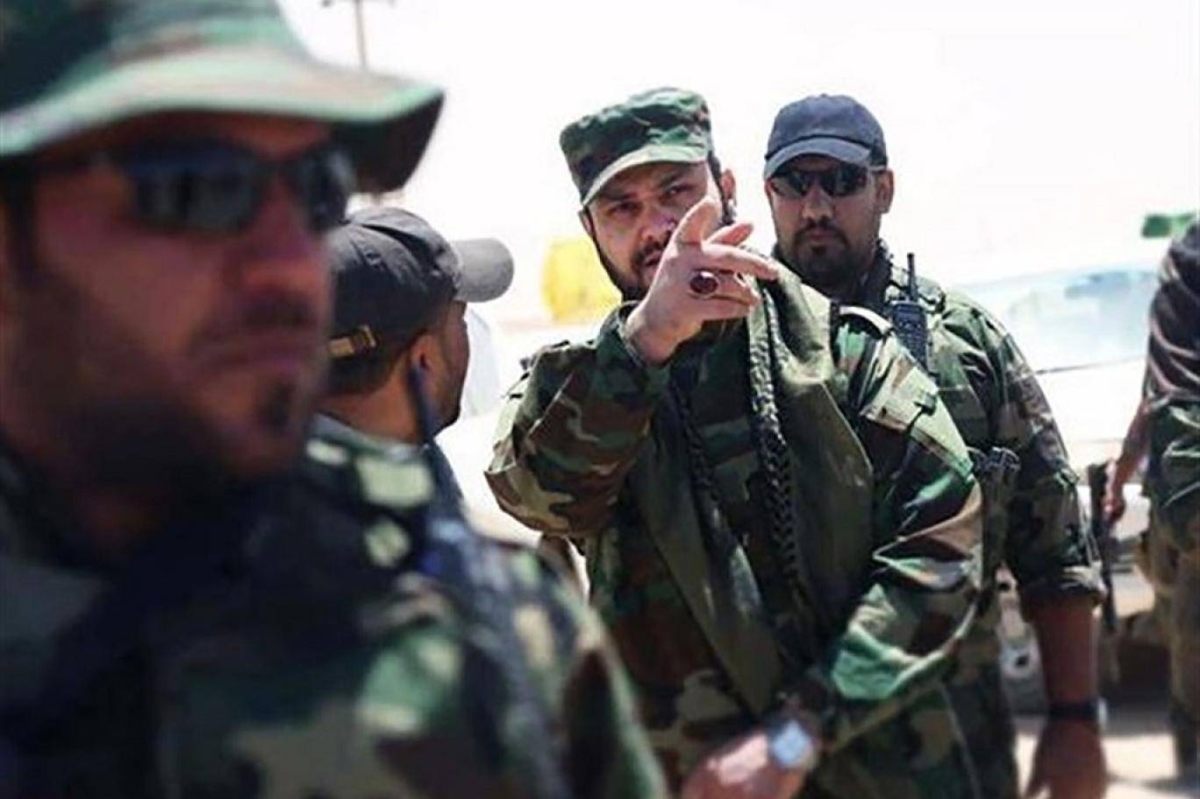
جماعات مسلحة في العراق


تابع قناة عكاظ على الواتساب
رياض منصور (بغداد) OKAZ_ONLINE@
As the American sanctions on Iraq are set to come into effect, Israel has begun issuing direct threats to carry out military strikes against armed factions, amid a halt in communications between Washington and Baghdad.
The American-Iraqi crisis surfaced ahead of the twentieth session of the United Nations meetings in New York, where the absence of Prime Minister Mohammed Shia' al-Sudani was noted, with President Abdul Latif Jamal Rashid representing Iraq.
An Iraqi official justified to "Okaz" the absence of al-Sudani and other officials by stating that Washington had not granted them visas to attend the UN meetings.
These developments come amid reports of failed communication between Baghdad and Washington, the stalling of the operations of both countries' embassies, and Iraq's resort to seeking "lobbies" to restore relations with the American administration.
Iraqi Foreign Minister Fuad Hussein considered that his country has become an open battlefield, noting that the geography and skies of Iraq have turned into a war zone, and there are repercussions for these attacks (between Iran and Israel), expressing hope for the possibility of resolving these tensions through diplomatic means.
The foreign minister rejected the threats made by Israeli Prime Minister Benjamin Netanyahu, asserting that targeting any Iraqi is an attack on Iraq and its sovereignty.
Hussein emphasized, in press statements, Baghdad's firm rejection of any threats targeting Iraq's sovereignty, confirming that Netanyahu's remarks about the possibility of launching attacks on targets inside Iraq are completely unacceptable and rejected.
According to the Iraqi minister, Iraq is a sovereign country and will not allow itself to be a battleground for settling scores or a threat to the security of the region.
Netanyahu threatened in a speech before the United Nations yesterday (Friday) to eliminate the leaders of groups in Iraq if Israel is attacked, considering that Tel Aviv has succeeded in deterring these groups.
The American-Iraqi crisis surfaced ahead of the twentieth session of the United Nations meetings in New York, where the absence of Prime Minister Mohammed Shia' al-Sudani was noted, with President Abdul Latif Jamal Rashid representing Iraq.
An Iraqi official justified to "Okaz" the absence of al-Sudani and other officials by stating that Washington had not granted them visas to attend the UN meetings.
These developments come amid reports of failed communication between Baghdad and Washington, the stalling of the operations of both countries' embassies, and Iraq's resort to seeking "lobbies" to restore relations with the American administration.
Iraqi Foreign Minister Fuad Hussein considered that his country has become an open battlefield, noting that the geography and skies of Iraq have turned into a war zone, and there are repercussions for these attacks (between Iran and Israel), expressing hope for the possibility of resolving these tensions through diplomatic means.
The foreign minister rejected the threats made by Israeli Prime Minister Benjamin Netanyahu, asserting that targeting any Iraqi is an attack on Iraq and its sovereignty.
Hussein emphasized, in press statements, Baghdad's firm rejection of any threats targeting Iraq's sovereignty, confirming that Netanyahu's remarks about the possibility of launching attacks on targets inside Iraq are completely unacceptable and rejected.
According to the Iraqi minister, Iraq is a sovereign country and will not allow itself to be a battleground for settling scores or a threat to the security of the region.
Netanyahu threatened in a speech before the United Nations yesterday (Friday) to eliminate the leaders of groups in Iraq if Israel is attacked, considering that Tel Aviv has succeeded in deterring these groups.