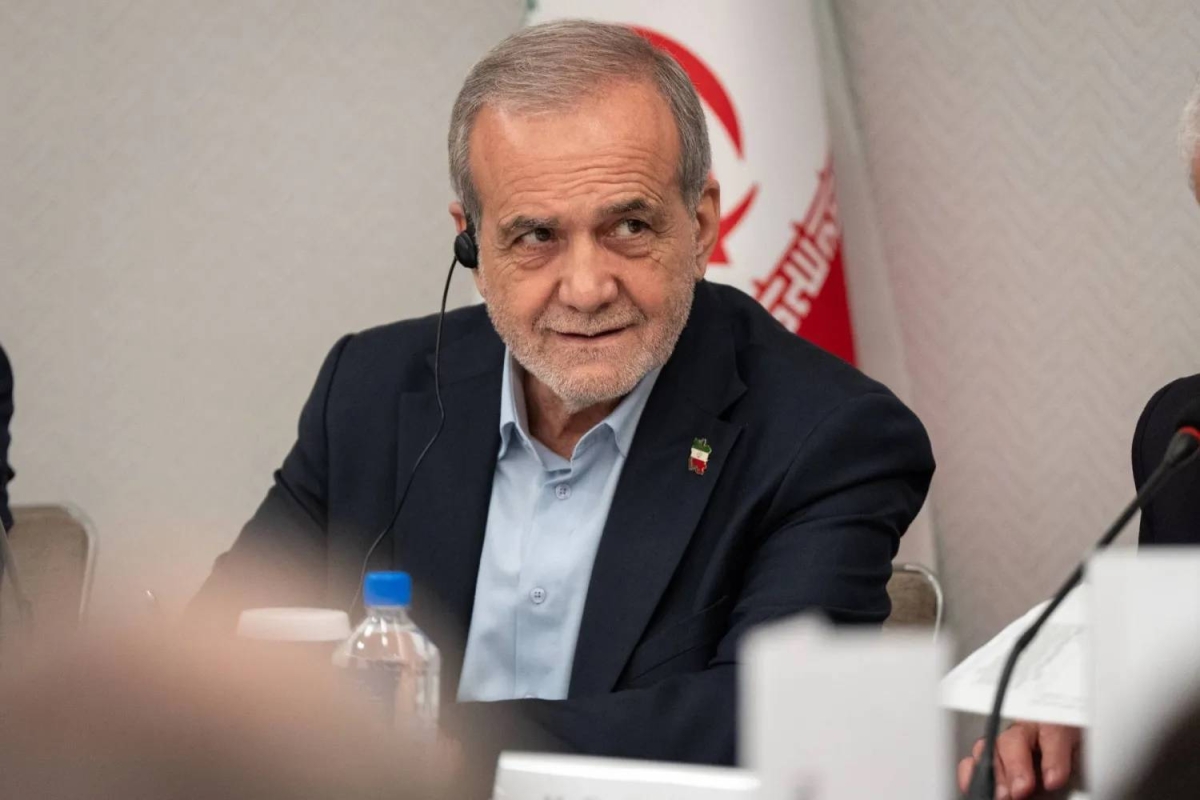
كشف الرئيس الإيراني مسعود بزشكيان، قبيل مغادرته نيويورك، أن بلاده توصّلت إلى نتيجة مع الأوروبيين، لكن الموقف الأمريكي كان مختلفاً. ووصف المطالب الأمريكية بأنها "غير مقبولة"، وقال "طلبوا أن نسلّمهم كل اليورانيوم المخصب مقابل تأخير استئناف العقوبات لمدة 3 أشهر.. وهذا أمر سخيف، على حد قوله . وقال بزشكيان: إذا كان على بلاده أن "تختار بين هذه المطالب غير المنطقية وآلية سناب باك، فستختار الأخيرة".
وقبيل ساعات من دخول العقوبات الأممية حيز التنفيذ، مساء اليوم السبت، استدعت إيران سفراءها لدى ألمانيا وفرنسا وبريطانيا للتشاور، في خطوة احتجاجية على إطلاق هذه الدول مسار «آلية الزناد»، بحسب ما أعلن التلفزيون الرسمي الإيراني. ووصفت طهران تفعيل الترويكا الأوروبية آلية الزناد بالقرار غير المسؤول والظالم.
وأخفقت محاولة روسية صينية، أمس الجمعة، في تأجيل إعادة فرض العقوبات الدولية على إيران في مجلس الأمن الدولي إثر تصويت 4 دول فقط لصالح مشروع القرار، ما مهد الطريق أمام إعادة فرض العقوبات.
عرض إيراني ومحادثات لم تفضِ إلى نتيجة
ورداً على تفعيل آلية العقوبات، لوّحت طهران بتعليق التعاون مع الوكالة الدولية للطاقة الذرية، التي أبرمت معها في الـ9 من سبتمبر الجاري اتفاق تعاون جديداً في العاصمة المصرية القاهرة.
وأجرى وزير الخارجية الإيراني عباس عراقجي خلال الأيام الماضية محادثات مكثفة مع الأوروبيين أثناء تواجده في نيويورك لحضور اجتماعات الجمعية العامة للأمم المتحدة، خصوصاً مع الوفد الفرنسي، إلا أنها لم تفض إلى نتيجة، ووصف دبلوماسيون أوروبيون ما قدم على الطاولة من قبل إيران بالعرض غير الجدي.
وكان الرئيس الإيراني أفاد خلال تواجده في نيويورك للمشاركة في اجتماعات الجمعية العامة للأمم المتحدة، بأن المشاورات مع الأوروبيين «لم تسر كما كان متوقعاً».
فيما أعلن الرئيس الفرنسي إيمانويل ماكون، بعد مفاوضات استمرت أياماً عدة أنه ما زال «ممكناً» تجنيب إيران إعادة تفعيل العقوبات الدولية إذا استجابت للشروط المشروعة للترويكا الأوروبية وهي: الموافقة على السماح لمفتشي الوكالة الدولية للطاقة الذرية بالدخول إلى كافة المنشآت النووية الإيرانية، الاستجابة للمخاوف بشأن مخزونها من اليورانيوم المخصب، والانخراط في محادثات مع الولايات المتحدة.
إلا أن إيران شددت على لسان المرشد علي خامنئي، أنها لن تخضع للضغوط، ما يشير إلى أنها باتت على مقربة من عودة العقوبات.
Iranian President Masoud Bezhakian revealed, just before leaving New York, that his country reached a conclusion with the Europeans, but the American stance was different. He described the American demands as "unacceptable," stating, "They asked us to hand over all enriched uranium in exchange for a three-month delay in the resumption of sanctions... This is ridiculous," according to him. Bezhakian said that if his country had to "choose between these illogical demands and the snapback mechanism, it would choose the latter."
Just hours before the UN sanctions come into effect this Saturday evening, Iran summoned its ambassadors to Germany, France, and Britain for consultations, in a protest against these countries launching the "snapback mechanism," as announced by Iranian state television. Tehran described the activation of the European troika's snapback mechanism as an irresponsible and unjust decision.
A Russian-Chinese attempt yesterday, Friday, to delay the re-imposition of international sanctions on Iran in the UN Security Council failed after only four countries voted in favor of the draft resolution, paving the way for the re-imposition of sanctions.
Iranian Offer and Talks That Led Nowhere
In response to the activation of the sanctions mechanism, Tehran threatened to suspend cooperation with the International Atomic Energy Agency, with which it signed a new cooperation agreement on September 9 in the Egyptian capital, Cairo.
Iranian Foreign Minister Abbas Araghchi conducted intensive talks with the Europeans in recent days while in New York for the UN General Assembly meetings, particularly with the French delegation, but these did not lead to any results. European diplomats described what Iran presented at the table as an unserious offer.
The Iranian president stated during his time in New York for the UN General Assembly meetings that consultations with the Europeans "did not go as expected."
Meanwhile, French President Emmanuel Macron announced, after several days of negotiations, that it is still "possible" to spare Iran from the reactivation of international sanctions if it responds to the legitimate conditions of the European troika, which are: agreeing to allow IAEA inspectors access to all Iranian nuclear facilities, addressing concerns regarding its stockpile of enriched uranium, and engaging in talks with the United States.
However, Iran emphasized through Supreme Leader Ali Khamenei that it would not succumb to pressure, indicating that it is close to the return of sanctions.