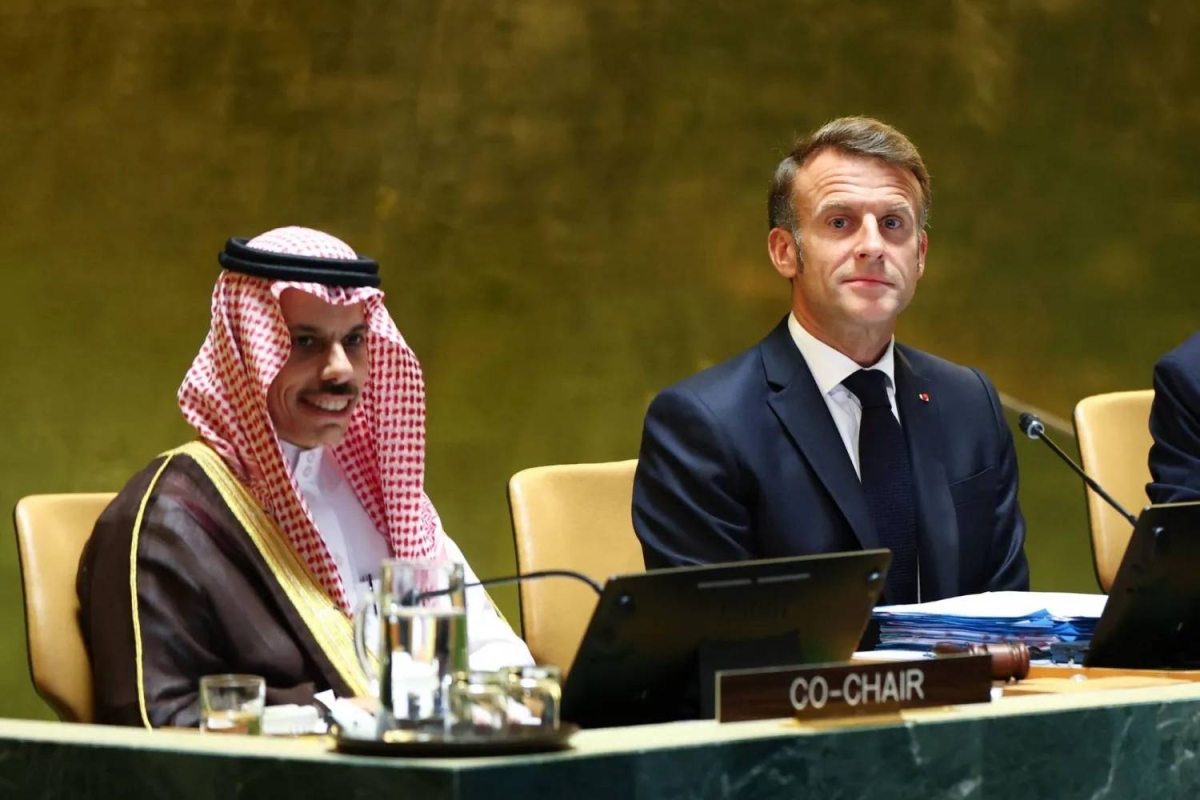
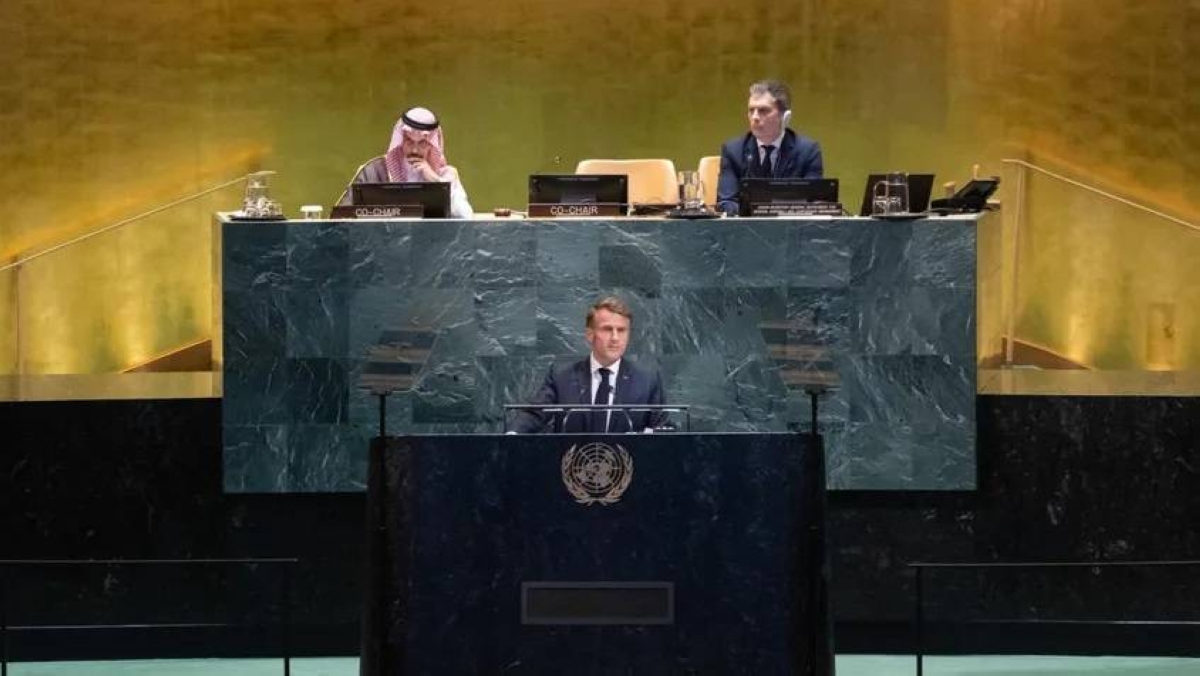
فلسطين أصبحت حقيقة لا يمكن تجاهلها. أكثر من 157 دولة رفعت صوتها لتعلن اعترافها بالدولة الفلسطينية، في مشهد استثنائي يقطع الطريق على سنوات من الجمود والوعود الفارغة. السعودية تقود المبادرة، وفرنسا تمنحها زخماً دولياً، بينما يراقب العالم تحولاً ملموساً على الأرض السياسية. في قلب هذا الزخم، غزة ليست رقماً في تقرير أممي، بل اختبار حي للشرعية والحقوق، وصوت الملايين الذين ظلوا ينتظرون لحظة يكتب فيها العالم الحقيقة على الأرض. هذه اللحظة ليست إعلاناً دبلوماسياً فحسب، بل لحظة إعادة رسم التاريخ الفلسطيني، إذ يصبح الاعتراف الدولي جزءاً من واقع جديد لا يمكن تجاوزه.
عزلة متنامية وتصدعات داخلية
الاعتراف الدولي بفلسطين يعيد رسم حدود اللعبة السياسية في المنطقة، ويضع إسرائيل أمام معادلة جديدة لا يمكن تجاهلها. فالحدث ليس عابراً في الحسابات الإسرائيلية، بل يشكل تحدياً إستراتيجياً مباشراً لروايتها التاريخية. فإسرائيل بنت مشروعها السياسي على فكرة أن قيام الدولة الفلسطينية مشروط بالتفاوض الثنائي، أما اليوم فتجد نفسها أمام حقيقة معاكسة: المجتمع الدولي يعترف بفلسطين كدولة قائمة بالحق، لا بالمنّة. وهذا التحول يفتح الباب أمام عزلة سياسية متنامية، خصوصاً مع تزايد الضغوط داخل المعاقل التقليدية الداعمة لها في الغرب. أما داخلياً، فيفاقم الأزمة بين تيارين: الأول يصر على التشدد والتوسع الاستيطاني لمواجهة الضغط الخارجي، والثاني يحذر من أن استمرار النهج الحالي سيقود إلى عزلة خانقة وخسارة أوراق تفاوضية كبرى. في الحالتين، ستجد الحكومة الإسرائيلية نفسها أمام معادلة صعبة، فالمتوقع أن يتحول الاعتراف الدولي إلى أداة لتقليص هامش مناورتها السياسية والعسكرية، ويضعها تحت رقابة عالمية غير مسبوقة، كما أنه سيكون أداة ضغط إستراتيجية فعلية لإعادة النظر في سياساتها والتفاعل مع الفلسطينيين من منطق الدولة والشراكة، وليس منطق القوة والسيطرة.
غزة معيار حي للشرعية
غزة لا تزال قلب المعركة السياسية والإنسانية. التدمير المستمر والبنية التحتية المهدمة تجعل أي اعتراف دولي بلا تنفيذ على الأرض ناقصاً، وتضع المدينة في موقع اختبار حي للشرعية الدولية؛ قدرة المجتمع الدولي على حماية المدنيين وفرض التزامات على الاحتلال تصبح مؤشراً حقيقياً على نجاح التحول الدولي، وعلى مدى قدرة الفلسطينيين على تحويل الاعتراف السياسي إلى حماية فعلية للحقوق. هنا، غزة ليست مجرد أرض نقاش، بل معيار حي يربط بين السياسة والواقع الملموس، ويكشف مدى جدية المجتمع الدولي في ترجمة الاعتراف إلى واقع يضمن حقوق الفلسطينيين الأساسية.
إعادة التوازن السياسي الداخلي والإقليمي
لا شك أن المشهد السياسي الجديد يعيد ترتيب الأولويات الفلسطينية والإقليمية على حد سواء. داخلياً، يشكل فرصة لتعزيز مؤسسات الدولة وتوحيد الصف الداخلي، وبناء سلطة قادرة على حماية المواطنين وتقديم الخدمات. إقليمياً، الاعتراف بفلسطين يعيدها إلى قلب الحسابات السياسية، ويخلق أرضية لإعادة ترتيب التحالفات، بحيث تصبح أي دولة في المنطقة مضطرة لمراجعة موقفها وفق التزامها بالشرعية الدولية. هذا التوازن الجديد يربط أي مسار سلام مستقبلي بمدى قدرة الدول على ترجمة الاعتراف إلى خطوات عملية ملموسة، ويحوّل الزخم الدولي إلى آلية ضغط مستمرة.
الزخم الدولي وإستراتيجية الضغط
الدعم العربي- الأوروبي المستمر داخل الأمم المتحدة ومجلس الأمن الدولي يضمن تحويل الاعتراف إلى قوة سياسية قابلة للتنفيذ. فهذا الدعم لا يقتصر على رمزية الاعتراف، بل يتجه ليصبح أداة ضغط عملية تفرض التزامات على إسرائيل، بدءاً من الحد من الاستيطان إلى حماية المدنيين وتعزيز مؤسسات الدولة الفلسطينية. هذه القوة الدبلوماسية المتوازنة تعيد تشكيل ديناميكيات التفاوض، وتجعل أي محاولة لإلغاء الحقوق الفلسطينية مكلفة سياسياً ودبلوماسياً، وتفتح الطريق أمام خطوات ملموسة على الأرض لتعزيز واقع الدولة الفلسطينية.
غزة والواقع الإنساني: من الرمزية إلى التنفيذ
هذا التحول الدولي لن يكتمل إذا لم ينعكس مباشرة على حياة الفلسطينيين اليومية. غزة تبقى المحك الأكبر، حيث حماية المدنيين، ضمان وصول المساعدات، وإعادة بناء البنية التحتية هي المعيار النهائي لنجاعة الزخم الدولي. أي تنفيذ فعلي للقرارات الدولية في غزة يثبت أن الاعتراف ليس مجرد شعار، بل أداة حقيقية لتحويل الشرعية الرمزية إلى دولة فعلية، لها مؤسسات وقادرة على حماية حقوق مواطنيها.
إعادة رسم موازين القوة
الاعتراف الدولي المتسارع بفلسطين لا يقتصر تأثيره على المنطقة، بل يرسخ تحولات مهمة في السياسات العالمية. الدول الكبرى والفاعلة في مجلس الأمن والأمم المتحدة بدأت تواجه معادلات جديدة في تقييم النزاعات، إذ أصبح قبول الحقوق الوطنية للشعوب جزءاً من معايير الشرعية الدولية التي يُنظر إليها بجدية أكبر. هذا التحول يخلق حالة من الضغط المستمر على أي دولة تتجاوز القوانين الدولية، ويجعل الالتزام بالشرعية والمعاهدات الدولية عاملاً مركزياً في السياسات الخارجية، مع إعادة ترتيب أولويات المساعدات، التحالفات، والمفاوضات الدولية. فلسطين لم تعد قضية إقليمية فقط، بل أصبحت اختباراً عملياً لنضج النظام الدولي في احترام الحقوق الوطنية والقانون الدولي، وقياس قدرة المجتمع الدولي على ترجمة الاعتراف إلى التزامات فعلية ومستدامة.
فصل جديد في التاريخ الفلسطيني
اللحظة التاريخية في نيويورك، ليست مجرد بيان أو مؤتمر، بل بداية فصل جديد لمسار القضية الفلسطينية. والاعتراف الدولي أصبح جزءاً من الواقع السياسي، والفلسطينيون أمام فرصة لإعادة صياغة مستقبل دولتهم. غزة تبقى الاختبار الأكبر، والاعتراف أداة لتثبيت الحق وإعادة الأمل. فلسطين لم تعد وعداً مؤجلاً، بل واقع عالمي يُحتفى به، ويجب تحويله إلى خطوات ملموسة على الأرض. هذه اللحظة تحمل القدرة على إعادة كتابة تاريخ فلسطين على أسس العدالة والشرعية الدولية، وفتح آفاق جديدة للسلام والاستقرار الإقليمي.
Palestine has become a reality that cannot be ignored. More than 157 countries have raised their voices to announce their recognition of the Palestinian state, in an exceptional scene that cuts through years of stagnation and empty promises. Saudi Arabia leads the initiative, France gives it international momentum, while the world watches a tangible shift on the political ground. At the heart of this momentum, Gaza is not just a number in a UN report, but a living test of legitimacy and rights, and the voice of millions who have been waiting for a moment when the world writes the truth on the ground. This moment is not just a diplomatic announcement, but a moment of redrawing Palestinian history, as international recognition becomes part of a new reality that cannot be overlooked.
Growing Isolation and Internal Cracks
International recognition of Palestine redraws the boundaries of the political game in the region and places Israel before a new equation that cannot be ignored. The event is not a passing one in Israeli calculations, but represents a direct strategic challenge to its historical narrative. Israel has built its political project on the idea that the establishment of a Palestinian state is conditional on bilateral negotiations, but today it finds itself facing an opposing reality: the international community recognizes Palestine as a state based on rights, not as a favor. This shift opens the door to growing political isolation, especially with increasing pressures within its traditional strongholds in the West. Internally, it exacerbates the crisis between two currents: the first insists on hardline policies and settlement expansion to confront external pressure, while the second warns that the continuation of the current approach will lead to suffocating isolation and the loss of major negotiating cards. In either case, the Israeli government will find itself facing a difficult equation, as international recognition is expected to become a tool for reducing its political and military maneuvering margin, placing it under unprecedented global scrutiny, and serving as a strategic pressure tool to reconsider its policies and engage with the Palestinians from the standpoint of state and partnership, rather than from the standpoint of power and control.
Gaza as a Living Standard of Legitimacy
Gaza remains at the heart of the political and humanitarian battle. The ongoing destruction and the ruined infrastructure make any international recognition without implementation on the ground incomplete, placing the city in a position of a living test of international legitimacy; the ability of the international community to protect civilians and impose obligations on the occupation becomes a true indicator of the success of the international shift, and of the Palestinians' ability to translate political recognition into actual protection of rights. Here, Gaza is not just a land of discussion, but a living standard that connects politics with tangible reality, revealing the seriousness of the international community in translating recognition into a reality that guarantees the basic rights of Palestinians.
Rebalancing Internal and Regional Politics
There is no doubt that the new political scene is rearranging Palestinian and regional priorities alike. Internally, it presents an opportunity to strengthen state institutions and unify the internal front, building an authority capable of protecting citizens and providing services. Regionally, recognition of Palestine brings it back to the center of political calculations and creates a ground for rearranging alliances, making any country in the region compelled to review its position according to its commitment to international legitimacy. This new balance links any future peace process to the extent to which countries can translate recognition into concrete practical steps, transforming international momentum into a continuous pressure mechanism.
International Momentum and Pressure Strategy
The ongoing Arab-European support within the United Nations and the Security Council ensures the transformation of recognition into an executable political force. This support is not limited to the symbolism of recognition, but is becoming a practical pressure tool that imposes obligations on Israel, starting from limiting settlement expansion to protecting civilians and strengthening Palestinian state institutions. This balanced diplomatic power reshapes the dynamics of negotiation, making any attempt to negate Palestinian rights politically and diplomatically costly, and opening the way for tangible steps on the ground to enhance the reality of the Palestinian state.
Gaza and the Humanitarian Reality: From Symbolism to Implementation
This international shift will not be complete if it does not directly reflect on the daily lives of Palestinians. Gaza remains the greatest test, where the protection of civilians, ensuring the delivery of aid, and rebuilding infrastructure are the ultimate benchmarks for the effectiveness of international momentum. Any actual implementation of international resolutions in Gaza proves that recognition is not just a slogan, but a real tool for transforming symbolic legitimacy into an actual state, with institutions capable of protecting the rights of its citizens.
Redrawing the Balance of Power
The accelerating international recognition of Palestine does not limit its impact to the region, but solidifies important shifts in global policies. Major powers and active players in the Security Council and the United Nations have begun to face new equations in assessing conflicts, as the acceptance of the national rights of peoples has become part of the criteria for international legitimacy that is viewed with greater seriousness. This shift creates a state of continuous pressure on any country that exceeds international laws, making adherence to legitimacy and international treaties a central factor in foreign policies, with a rearrangement of priorities in aid, alliances, and international negotiations. Palestine is no longer just a regional issue; it has become a practical test of the maturity of the international system in respecting national rights and international law, and measuring the ability of the international community to translate recognition into actual and sustainable commitments.
A New Chapter in Palestinian History
The historic moment in New York is not just a statement or a conference, but the beginning of a new chapter in the path of the Palestinian cause. International recognition has become part of the political reality, and the Palestinians are presented with an opportunity to reshape the future of their state. Gaza remains the greatest test, and recognition is a tool for affirming rights and restoring hope. Palestine is no longer a postponed promise, but a global reality that is celebrated and must be translated into tangible steps on the ground. This moment has the potential to rewrite the history of Palestine on the foundations of justice and international legitimacy, opening new horizons for peace and regional stability.