أكد أستاذ القانون الدولي الدكتور أيمن سلامة، أن الاعترافات الدولية المتزايدة بدولة فلسطين ليست مجرد إجراءات رمزية، بل خطوات قانونية وسياسية ذات تأثير ملموس على الأرض، تعزز مكانة فلسطين وتُعيد الأمل لشعبها.
وقال «سلامة» في تصريحات لـ صحيفة «عكاظ» إن هذه الاعترافات تمنح فلسطين «وزنًا قانونيًا وسياسيًا» وتُعزز حل الدولتين، وتُضيق الخناق على إسرائيل دوليًا، مشيرًا إلى أنها تُصحح «ظلمًا تاريخيًا» طويلًا، وأن الاعتراف بدولة فلسطين يثبت حقوقها القانونية على حدود 1967، مع القدس الشرقية كعاصمة، وهو موقف مدعوم بقرارات الأمم المتحدة والقانون الدولي.
وأضاف أن «هذا ليس مجرد توقيع على ورقة، بل هو تثبيت لحقوق الشعب الفلسطيني في الأرض والسيادة»، وهذا الاعتراف يفتح الباب لعضوية فلسطين الكاملة في الأمم المتحدة ومنظمات دولية أخرى، ما يمنحها صوتًا أقوى في صنع القرار العالمي.
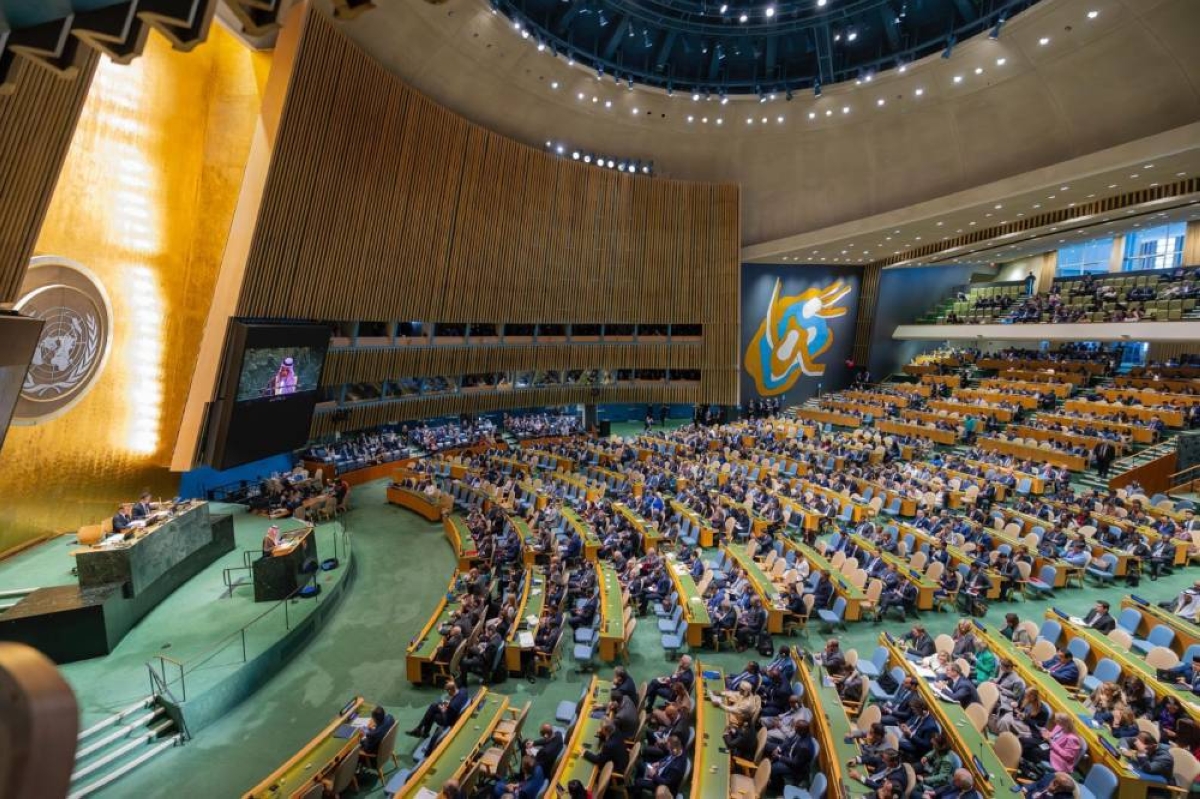
وتشهد القضية الفلسطينية زخمًا دوليًا متزايدًا منذ بدء الحرب في غزة في أكتوبر 2023، التي أسفرت عن مقتل أكثر من 64 ألف فلسطيني، ما دفع دولًا عديدة إلى إعادة تقييم مواقفها، حتى أعلنت دول أوروبية اعترافها بدولة فلسطين أمام أعمال الجمعية العامة للأمم المتحدة.
وأوضح «سلامة» أن هذه الخطوة تُعزز قدرة فلسطين على مقاضاة إسرائيل في محكمة الجنايات الدولية بتهم الاحتلال والإبادة، خصوصاً مع تقارير أممية تتهم إسرائيل بقتل عشرات الآلاف في غزة.
وسياسيًا، أكد «سلامة» أن الاعترافات المتزايدة تُغير موازين القوى، حيث تُحيي حل الدولتين «الذي كاد يندثر»، وتزيد من عزلة إسرائيل، خصوصاً بعد اعتراف دول أوروبية مثل فرنسا وبريطانيا وإسبانيا وأيرلندا، مشيراً إلى أن «كل دولة تعترف بفلسطين تُرسل رسالة واضحة: الاحتلال يجب أن ينتهي».
وشدد على أن الضغط الدبلوماسي قد يجبر إسرائيل على إعادة النظر في سياساتها، معتبرا تلك الاعترافات الدولية «تصحيحًا لظلم تاريخي» بدأ مع وعد بلفور عام 1917، ويعيد الاعتبار للعدالة الإنسانية، ويمكن فلسطين من بناء مؤسساتها الحكومية والاقتصادية، ويُتيح فتح سفارات فلسطينية في الدول المعترفة بها، ما يعزز وجودها الدبلوماسي.
وبدأت الاعترافات الدولية بدولة فلسطين فعليًا في عام 1988 بعد إعلان الاستقلال الفلسطيني، ويعتمد على حدود 1967 مع القدس الشرقية كعاصمة، وهو مدعوم بقرارات الأمم المتحدة مثل القرار 242 (1967) وقرار الجمعية العامة 67/19 (2012)، الذي منح فلسطين صفة «دولة مراقب غير عضو».
وتعد هذه الاعترافات خطوة نحو حل الدولتين، حيث تعزز الوضع القانوني لفلسطين في المحافل الدولية، بما في ذلك محكمة العدل الدولية والجنائية الدولية، حيث تُحاكم إسرائيل بتهم الإبادة والاحتلال.
International law professor Dr. Ayman Salama confirmed that the increasing international recognition of the State of Palestine is not merely symbolic actions, but legal and political steps with tangible effects on the ground, enhancing Palestine's status and restoring hope to its people.
Salama stated in remarks to the newspaper "Okaz" that these recognitions grant Palestine "legal and political weight" and strengthen the two-state solution, tightening the noose around Israel internationally. He pointed out that they correct a long-standing "historical injustice," and that the recognition of the State of Palestine affirms its legal rights based on the 1967 borders, with East Jerusalem as its capital, a position supported by United Nations resolutions and international law.
He added that "this is not just a signature on a piece of paper, but a confirmation of the rights of the Palestinian people to the land and sovereignty," and this recognition opens the door for Palestine's full membership in the United Nations and other international organizations, granting it a stronger voice in global decision-making.
The Palestinian cause is witnessing increasing international momentum since the outbreak of the war in Gaza in October 2023, which resulted in the deaths of more than 64,000 Palestinians, prompting many countries to reassess their positions, with several European countries announcing their recognition of the State of Palestine before the United Nations General Assembly.
Salama explained that this step enhances Palestine's ability to sue Israel in the International Criminal Court on charges of occupation and genocide, especially with UN reports accusing Israel of killing tens of thousands in Gaza.
Politically, Salama confirmed that the increasing recognitions are changing the balance of power, as they revive the two-state solution "which was on the verge of extinction," and increase Israel's isolation, particularly after recognitions by European countries such as France, Britain, Spain, and Ireland, noting that "every country that recognizes Palestine sends a clear message: the occupation must end."
He emphasized that diplomatic pressure could force Israel to reconsider its policies, considering these international recognitions as "a correction of a historical injustice" that began with the Balfour Declaration in 1917, restoring the notion of human justice, enabling Palestine to build its governmental and economic institutions, and allowing the opening of Palestinian embassies in recognizing countries, which enhances its diplomatic presence.
International recognition of the State of Palestine effectively began in 1988 following the declaration of Palestinian independence, relying on the 1967 borders with East Jerusalem as its capital, and is supported by United Nations resolutions such as Resolution 242 (1967) and General Assembly Resolution 67/19 (2012), which granted Palestine the status of "non-member observer state."
These recognitions are considered a step towards the two-state solution, as they enhance Palestine's legal status in international forums, including the International Court of Justice and the International Criminal Court, where Israel is prosecuted on charges of genocide and occupation.