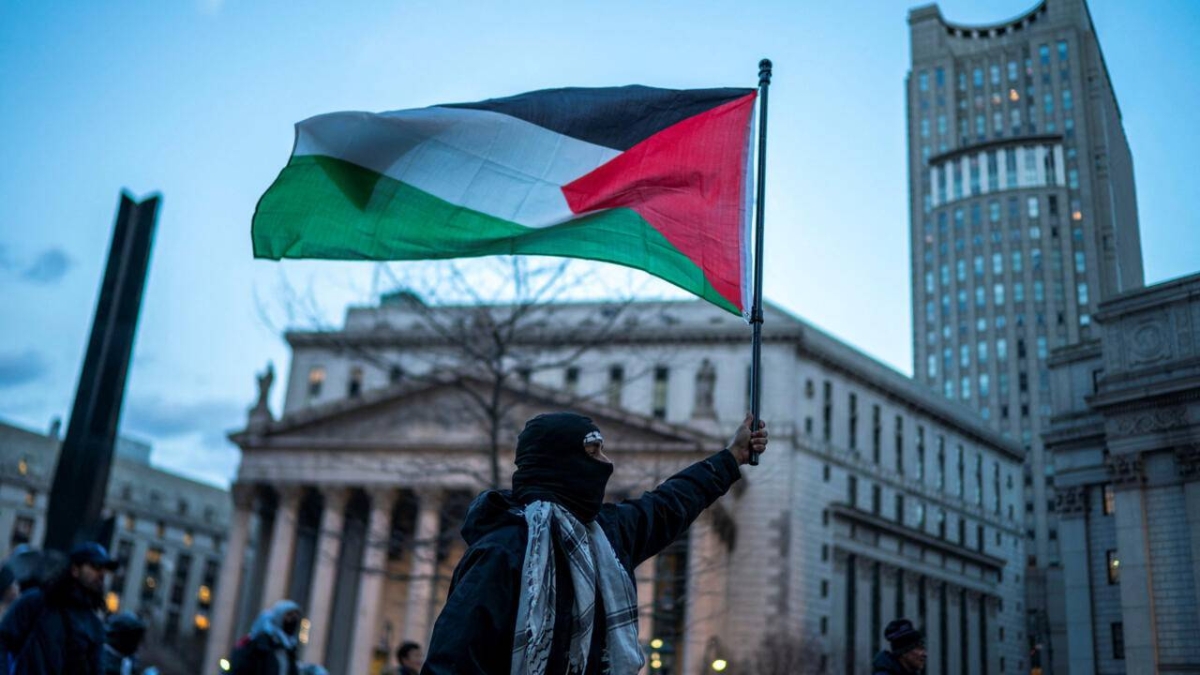
أعلن رئيس الوزراء كير ستارمر مساء أمس (السبت)، أن المملكة المتحدة ستعترف رسميا بالدولة الفلسطينية اليوم (الأحد)، قبل إعلان رسمي في الأمم المتحدة يوم الاثنين القادم، في خطوة تُعدّ نقطة تحول في السياسة الخارجية البريطانية تجاه الشرق الأوسط.
يأتي هذا الإعلان كتتويج لضغوط داخلية ودولية متزايدة، وسط تفاقم الأزمة الإنسانية في غزة، حيث أسفرت الحرب الإسرائيلية عن مقتل عشرات الآلاف وتهجير مئات الآلاف.
جزء من «مسار للسلام»
ويُتوقع أن يُقدم ستارمر الإعلان الرسمي خلال مؤتمر صحفي في «داونينغ ستريت»، مع التأكيد على أن هذه الخطوة جزء من «مسار للسلام» يهدف إلى إحياء حل الدولتين، وكشفت مصادر حكومية، أنه تم تأجيل الإعلان مؤقتا حتى انتهاء زيارة الرئيس الأمريكي دونالد ترمب لبريطانيا، لتجنب تصعيد التوترات مع واشنطن التي تعارض الاعتراف الفوري بالدولة الفلسطينية.
ومع ذلك، أكد ستارمر في تصريحات سابقة أن الاعتراف «ليس مكافأة لأحد، بل ضرورة لأمن إسرائيل طويل الأمد واستقرار المنطقة».
ويعود قرار الاعتراف إلى يوليو الماضي، عندما أعلن ستارمر في اجتماع طارئ للحكومة أن بريطانيا ستتخذ هذه الخطوة بحلول سبتمبر، ما لم يتخذ الجانب الإسرائيلي «خطوات جوهرية» لوقف الحرب في غزة، وتحقيق وقف إطلاق نار دائم، ووقف الاستيطان في الضفة الغربية، وإعادة تدفق المساعدات الإنسانية عبر الأمم المتحدة.
ضغوط داخل حزب العمال
وهذه الشروط، التي لم تُحقق حتى الآن، جاءت ردا على ضغوط داخل حزب العمال، إذ وقّع أكثر من 255 عضوا في البرلمان البريطاني – من تسعة أحزاب مختلفة – على رسالة مشتركة في يوليو تطالب بالاعتراف الفوري بالدولة الفلسطينية.
تاريخيا، كانت بريطانيا مترددة في الاعتراف بالدولة الفلسطينية، رغم وعد «إعلان بلفور» عام 1917 الذي دعم إقامة وطن قومي لليهود في فلسطين، وفي 2014، مرر البرلمان البريطاني قرارا غير ملزم يدعم الاعتراف، لكن الحكومة السابقة بقيادة بوريس جونسون أجّلته.
ومع تولي ستارمر السلطة في 2024، أصبح الاعتراف جزءا من برنامج حزب العمال الانتخابي، مدفوعا بتفاقم الوضع في غزة الذي أودى بحياة أكثر من 64 ألف فلسطيني، وفقا لتقارير الأمم المتحدة.
وفي السياق الدولي، يُعدّ الاعتراف البريطاني خطوة تتبع دولا أخرى مثل فرنسا، أستراليا، وكندا، التي أعلنت خططا مماثلة قبل قمة الجمعية العامة للأمم المتحدة الأسبوع القادم، كما أصدرت لجنة تحقيق أممية الثلاثاء تقريرا يتهم إسرائيل بارتكاب «إبادة جماعية» في غزة، ما زاد الضغط على الحكومات الغربية.
من جانبها، فرضت بريطانيا عقوبات على وزراء إسرائيليين مثل إيتمار بن غفير وبيتسئليل سموتريتش بسبب تحريضهم على العنف ضد الفلسطينيين، وعلّقت مفاوضات اتفاق تجارة حرة مع إسرائيل.
Prime Minister Keir Starmer announced yesterday evening (Saturday) that the United Kingdom will officially recognize the Palestinian state today (Sunday), ahead of an official announcement at the United Nations next Monday, in a move considered a turning point in British foreign policy towards the Middle East.
This announcement comes as a culmination of increasing domestic and international pressures, amid the worsening humanitarian crisis in Gaza, where the Israeli war has resulted in the deaths of tens of thousands and the displacement of hundreds of thousands.
Part of a "Path to Peace"
Starmer is expected to present the official announcement during a press conference at "Downing Street," emphasizing that this step is part of a "Path to Peace" aimed at reviving the two-state solution. Government sources revealed that the announcement was temporarily postponed until the conclusion of U.S. President Donald Trump's visit to Britain, to avoid escalating tensions with Washington, which opposes the immediate recognition of the Palestinian state.
However, Starmer confirmed in previous statements that recognition "is not a reward for anyone, but a necessity for Israel's long-term security and the stability of the region."
The decision to recognize dates back to last July when Starmer announced at an emergency government meeting that Britain would take this step by September unless the Israeli side took "substantial steps" to stop the war in Gaza, achieve a permanent ceasefire, halt settlement expansion in the West Bank, and allow the flow of humanitarian aid through the United Nations.
Pressure Within the Labour Party
These conditions, which have not yet been met, came in response to pressures within the Labour Party, as more than 255 members of the British Parliament—from nine different parties—signed a joint letter in July calling for the immediate recognition of the Palestinian state.
Historically, Britain has been hesitant to recognize the Palestinian state, despite the promise of the "Balfour Declaration" in 1917, which supported the establishment of a national home for the Jews in Palestine. In 2014, the British Parliament passed a non-binding resolution supporting recognition, but the previous government led by Boris Johnson postponed it.
With Starmer taking office in 2024, recognition became part of the Labour Party's electoral program, driven by the worsening situation in Gaza, which has claimed the lives of more than 64,000 Palestinians, according to United Nations reports.
In the international context, British recognition is seen as a step following other countries like France, Australia, and Canada, which announced similar plans ahead of the upcoming UN General Assembly summit next week. Additionally, a UN inquiry committee issued a report on Tuesday accusing Israel of committing "genocide" in Gaza, increasing pressure on Western governments.
For its part, Britain imposed sanctions on Israeli ministers such as Itamar Ben Gvir and Bezalel Smotrich for inciting violence against Palestinians and suspended free trade agreement negotiations with Israel.