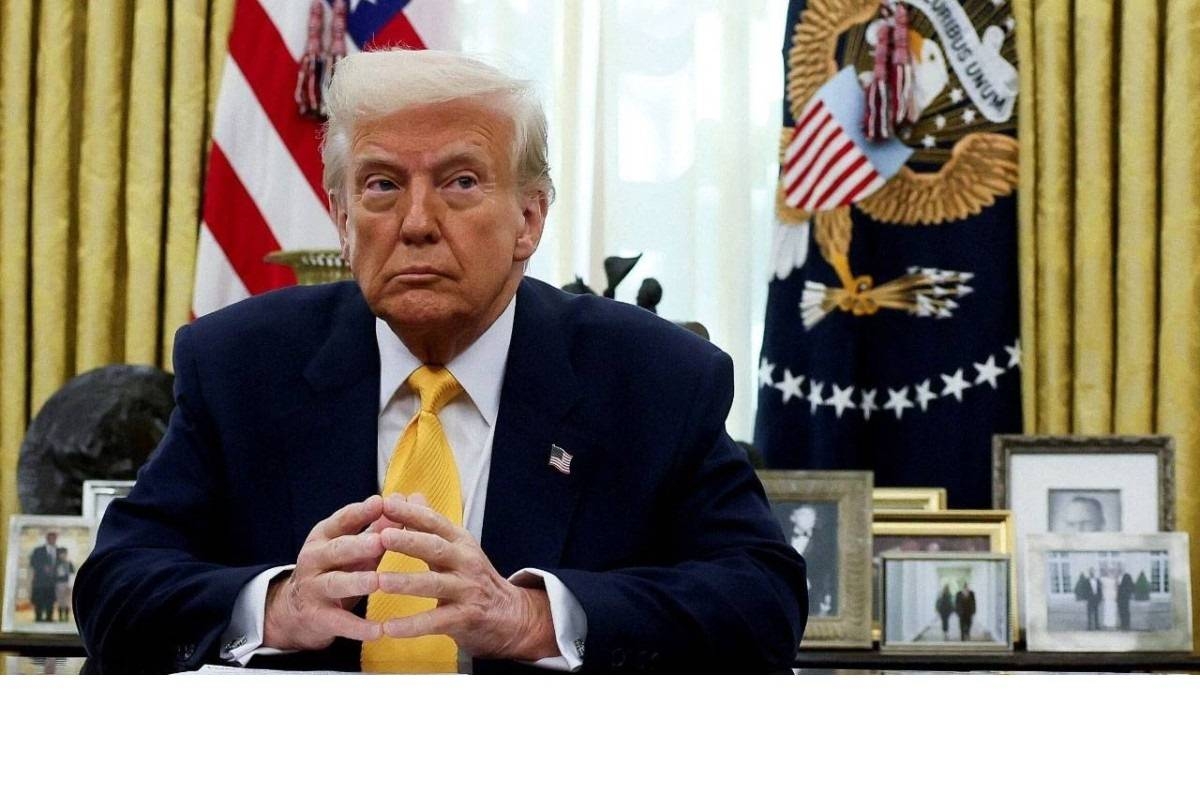
طلبت إدارة الرئيس دونالد ترمب من المحكمة العليا الأمريكية، التدخل للمرة الثانية في قضية تهدف إلى إنهاء الحماية من الترحيل التي منحها الرئيس السابق جو بايدن لمئات الآلاف من الفنزويليين المقيمين في الولايات المتحدة بموجب برنامج الحماية المؤقتة (TPS).
وقد تقدمت وزارة العدل بطلب عاجل لرفع حكم قضائي أصدره القاضي الفيدرالي إدوارد تشن في سان فرانسيسكو، والذي قضى بأن وزيرة الأمن الداخلي كريستي نويم لا تملك الصلاحية لإنهاء الحماية الممنوحة للفنزويليين.
أزمة 300 ألف فنزويلي بأمريكا
ووفقاً لوثيقة الطلب التي قدمتها وزارة العدل، فإن استمرار أمر المحكمة الابتدائية يجبر الأمن الداخلي على السماح لأكثر من 300 ألف مواطن فنزويلي بالبقاء في البلاد، رغم قرار نويم المبرر بأن هذه الحماية تتعارض مع المصلحة الوطنية حتى لو كان ذلك مؤقتاً.
وكانت المحكمة العليا قد تدخلت في مايو 2025 لصالح الإدارة برفع أمر مؤقت أصدره القاضي تشن في وقت سابق، مما سمح للإدارة بمواصلة الإجراءات القانونية لإنهاء البرنامج.
في 5 سبتمبر 2025، أصدر القاضي تشن حكماً نهائياً يقضي بأن تصرفات نويم لإنهاء البرنامج تنتهك قانون الإجراءات الإدارية، الذي يحكم قرارات الوكالات الفيدرالية.
ووصف القاضي هذا الإجراء بأنه «غير مسبوق» ويستند إلى تصورات سلبية بدلاً من الأدلة. ونتيجة لذلك، أُعيدت الحماية للفنزويليين، مما دفع إدارة ترمب لتصعيد القضية إلى المحكمة العليا مرة أخرى.
ما هو برنامج الحماية المؤقتة؟
ويُعد برنامج الحماية المؤقتة تصنيفاً إنسانياً بموجب القانون الأمريكي، يوفر الحماية من الترحيل وتصاريح العمل للأفراد من دول تعاني من حروب أو كوارث طبيعية أو ظروف استثنائية.
وقد منح جو بايدن هذا الوضع لفنزويلا في عامي 2021 و2023، ومدد الحماية قبل أيام من تنصيب ترمب في يناير 2025، لكن نويم ألغت هذا التمديد وحاولت إنهاء التصنيف لمجموعة من الفنزويليين المستفيدين من قرار 2023.
انتقادات حقوقية
تأتي هذه الخطوة ضمن سياسات ترمب الأوسع لتشديد الرقابة على الهجرة القانونية وغير القانونية خلال ولايته الثانية، حيث يسعى لتوسيع نطاق الأشخاص الذين يمكن ترحيلهم.
وانتقدت منظمات حقوق المهاجرين، مثل التحالف الوطني لـ TPS، هذه الخطوات، معتبرة إياها محاولة لنشر «الخوف والفوضى» بين المقيمين بشكل قانوني.
The Trump administration has asked the U.S. Supreme Court to intervene for the second time in a case aimed at ending the deportation protections granted by former President Joe Biden to hundreds of thousands of Venezuelans residing in the United States under the Temporary Protected Status (TPS) program.
The Department of Justice has filed an urgent request to lift a court ruling issued by Federal Judge Edward Chen in San Francisco, which determined that Homeland Security Secretary Kristjen Nielsen does not have the authority to terminate the protections granted to Venezuelans.
The Crisis of 300,000 Venezuelans in America
According to the request document submitted by the Department of Justice, the continuation of the lower court's order forces Homeland Security to allow more than 300,000 Venezuelan citizens to remain in the country, despite Nielsen's justified decision that this protection contradicts national interest, even if temporarily.
The Supreme Court intervened in May 2025 in favor of the administration by lifting a temporary order issued by Judge Chen earlier, allowing the administration to continue legal proceedings to terminate the program.
On September 5, 2025, Judge Chen issued a final ruling stating that Nielsen's actions to terminate the program violate the Administrative Procedure Act, which governs federal agency decisions.
The judge described this action as "unprecedented" and based on negative perceptions rather than evidence. As a result, protections were reinstated for Venezuelans, prompting the Trump administration to escalate the case to the Supreme Court once again.
What is Temporary Protected Status?
Temporary Protected Status is a humanitarian designation under U.S. law that provides protection from deportation and work permits for individuals from countries experiencing wars, natural disasters, or extraordinary conditions.
Joe Biden granted this status to Venezuela in 2021 and 2023, extending protections just days before Trump’s inauguration in January 2025, but Nielsen canceled this extension and attempted to terminate the designation for a group of Venezuelans benefiting from the 2023 decision.
Human Rights Criticism
This move is part of Trump’s broader policies to tighten oversight on legal and illegal immigration during his second term, as he seeks to expand the scope of individuals who can be deported.
Immigrant rights organizations, such as the National TPS Alliance, have criticized these steps, viewing them as an attempt to spread "fear and chaos" among those residing legally.