عاد الجنوب اللبناني ليل (الخميس)، إلى واجهة التصعيد الإسرائيلي، مع تجدد الغارات الجوية على عدد من البلدات في قضائي مرجعيون والنبطية، بالتزامن مع إنذارات عاجلة وجهتها قوات الاحتلال إلى الأهالي لإخلاء منازلهم.
المشهد الذي تكرر مراراً منذ أشهر عاد هذه المرة محملاً برسائل سياسية واضحة، إذ تسعى إسرائيل إلى تكريس معادلة جديدة على الحدود، في ظل احتدام المواجهات في أكثر من ساحة إقليمية، من غزة وسورية وصولاً إلى التوتر المتجدد مع إيران، وما يرافق ذلك من تهديدات بتوسيع رقعة الضربات نحو العراق.
تجدد الغارات
الغارات الإسرائيلية الأخيرة، جاءت في توقيت حساس يعكس ارتباط الميدان اللبناني مباشرة بالسياقات الإقليمية والدولية، وهذا المناخ المتفجر يضع لبنان في صلب حسابات الحرب.
من الناحية الداخلية، لا يمكن عزل هذا التصعيد عن الضغوط الأمريكية – الإسرائيلية المستمرة على الدولة اللبنانية، فالغارات تأتي عشية وصول الموفدة الأمريكية مورغان أورتاغوس إلى بيروت، في مهمة تتركز على مراقبة تنفيذ خطة الجيش اللبناني جنوب الليطاني ومناقشة آليات متابعة القرار 1701، لكن هذه المهمة تصطدم بموقف لبنان الرسمي المتمسك بالسيادة وبتحميل إسرائيل مسؤولية استمرار الخروقات واحتلال أراضٍ لبنانية، وهو الموقف الذي جدد الرؤساء الثلاثة تأكيده، سواء في قمة الدوحة الأخيرة أو في التحضيرات لكلمة لبنان أمام الأمم المتحدة.
لقاء عون وسلام
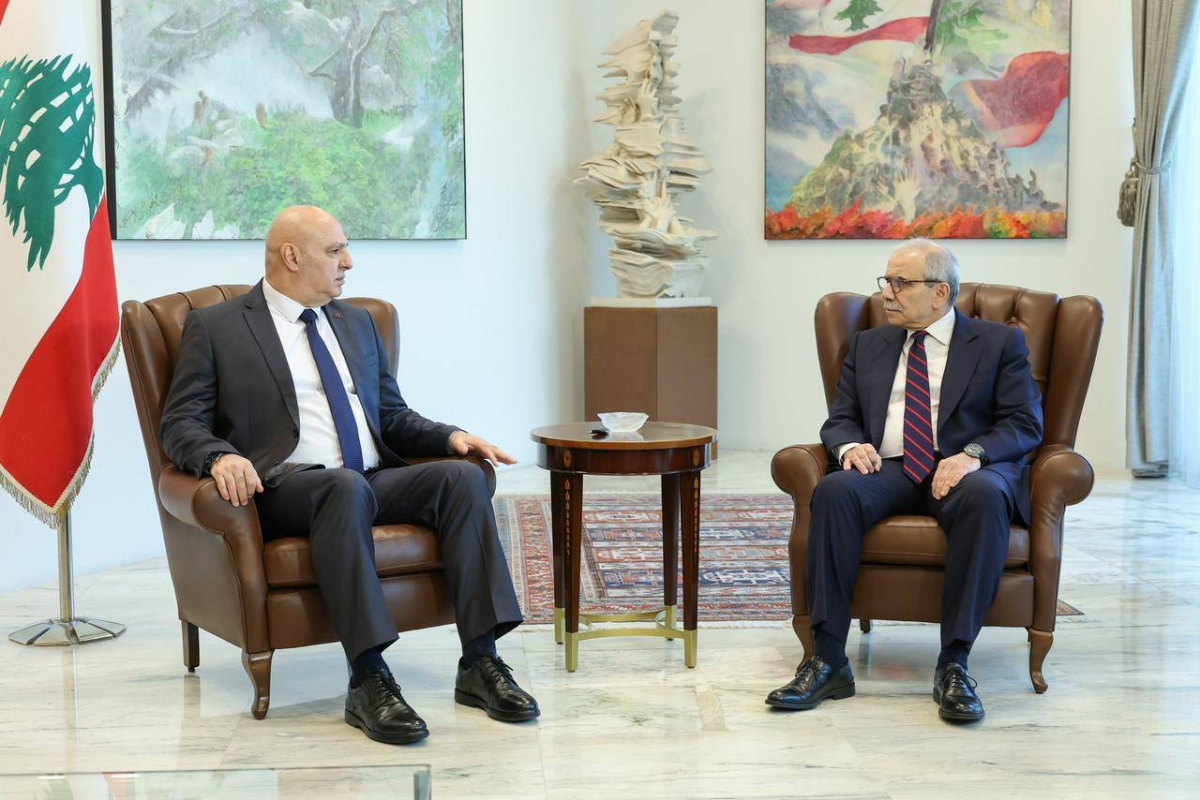
وفي السياق، عقد صباح اليوم (الجمعة)، اجتماع في بيروت بين قائد الجيش العماد جوزيف عون ورئيس الحكومة نواف سلام، جرى خلاله عرض التطورات الأمنية في ضوء الاعتداءات الإسرائيلية الأخيرة على الجنوب والبقاع.
الاجتماع يأتي فيما يسود قلق داخلي من احتمال اتساع رقعة الغارات وتكرار الإنذارات للسكان، ما يضاعف المخاطر الإنسانية على الأهالي ويزيد الضغط على الأجهزة الرسمية والعسكرية.
من جهتها، أصدرت قوة الأمم المتحدة المؤقتة في لبنان (اليونيفيل) بياناً شديد اللهجة، اعتبرت فيه أن الغارات الجوية التي استهدفت مناطق في جنوب لبنان الليلة الماضية تشكّل «انتهاكاً واضحاً وصريحاً» للقرار 1701 وتهديداً مباشراً للاستقرار الهش الذي تحقق منذ نوفمبر الماضي.
«اليونفيل» يندد
وقالت إن هذه الاعتداءات «تقوّض ثقة المدنيين في إمكانية التوصل إلى حل سلمي للنزاع»، مشيرة إلى أن بعض وحداتها، لا سيما في منطقة دير كيفا قرب برج قلاوية، اضطرت إلى الانتقال إلى أماكن آمنة بعدما «عرّضت الغارات حياة الجنود اللبنانيين وعناصر حفظ السلام والمدنيين للخطر».
وأضاف البيان أن قوات حفظ السلام «تواصل تقديم الدعم لكلا الطرفين لضمان تنفيذ القرار 1701»، داعية الجيش الإسرائيلي إلى التوقف الفوري عن شن أي غارات جديدة والالتزام بالانسحاب الكامل من الأراضي اللبنانية.
وختمت اليونيفيل بالتشديد على أن «استمرار التصعيد يشكّل تهديداً للتقدم المحقق في جهود استعادة الاستقرار»، داعية جميع الأطراف إلى الالتزام الكامل بأحكام القرار 1701 وتفاهم وقف الأعمال العدائية، باعتبارهما الإطارين الوحيدين الكفيلين بمنع انزلاق الوضع إلى مواجهة أوسع.
The southern Lebanese region returned to the forefront of Israeli escalation on the night of Thursday, with renewed airstrikes on several towns in the districts of Marjeyoun and Nabatieh, coinciding with urgent warnings issued by the occupying forces to residents to evacuate their homes.
The scene, which has been repeated several times over the past months, returned this time laden with clear political messages, as Israel seeks to establish a new equation at the borders amid intensifying confrontations in multiple regional arenas, from Gaza and Syria to the renewed tensions with Iran, along with threats to expand the scope of strikes towards Iraq.
Renewal of Airstrikes
The recent Israeli airstrikes occurred at a sensitive timing that reflects the direct connection of the Lebanese field to regional and international contexts, and this explosive atmosphere places Lebanon at the heart of war calculations.
Internally, this escalation cannot be separated from the ongoing American-Israeli pressures on the Lebanese state, as the airstrikes come on the eve of the arrival of the American envoy Morgan Ortagus in Beirut, on a mission focused on monitoring the implementation of the Lebanese Army's plan south of the Litani River and discussing mechanisms for following up on Resolution 1701. However, this mission faces the official Lebanese position that insists on sovereignty and holds Israel responsible for the continued violations and occupation of Lebanese lands, a position reiterated by the three presidents, whether at the recent Doha summit or in preparations for Lebanon's speech before the United Nations.
Meeting of Aoun and Salam
In this context, a meeting was held this morning (Friday) in Beirut between Army Commander General Joseph Aoun and Prime Minister Nawaf Salam, during which the security developments in light of the recent Israeli attacks on the south and Bekaa were discussed.
The meeting comes amid internal concerns about the possibility of the airstrikes expanding and the repeated warnings to residents, which multiply the humanitarian risks for the people and increase pressure on official and military agencies.
For its part, the United Nations Interim Force in Lebanon (UNIFIL) issued a strongly worded statement, considering that the airstrikes targeting areas in southern Lebanon last night constitute a "clear and explicit violation" of Resolution 1701 and a direct threat to the fragile stability achieved since last November.
UNIFIL Condemns
It stated that these attacks "undermine civilians' confidence in the possibility of reaching a peaceful solution to the conflict," noting that some of its units, particularly in the Deir Kifa area near Qlaiaat, were forced to move to safe locations after the airstrikes "put the lives of Lebanese soldiers, peacekeepers, and civilians at risk."
The statement added that the peacekeeping forces "continue to provide support to both parties to ensure the implementation of Resolution 1701," calling on the Israeli army to immediately cease any new airstrikes and to commit to a complete withdrawal from Lebanese territories.
UNIFIL concluded by emphasizing that "the continuation of escalation poses a threat to the progress achieved in efforts to restore stability," urging all parties to fully adhere to the provisions of Resolution 1701 and the understanding of the cessation of hostilities, as they are the only frameworks capable of preventing the situation from slipping into a wider confrontation.