


هل ستتمكن الدولة اللبنانية من إغلاق ملف السلاح الفلسطيني بالكامل، أم أن التفاهمات الراهنة مجرد محطة عابرة قبل عودة التعقيدات؟ أربع عمليات تسليم جرت بسلاسة في أكثر من مخيم للاجئين، لكن بقاء أسلحة لدى «حماس» و«الجهاد الإسلامي» وغيرهما من الفصائل الإسلامية يطرح علامات استفهام حول قدرة الدولة على فرض سلطتها حتى النهاية.
حوار سياسي
حتى الآن، قدم الجيش اللبناني نموذجاً واضحاً في إدارة هذا الملف: حوار سياسي مع القيادة الفلسطينية، مرافقة ميدانية محكمة، وخطوات متدرجة تراعي حساسية المخيمات. من بيروت إلى الجنوب ثم الشمال، بدت الصورة وكأنها ترجمة فعلية للبيان المشترك الذي صدر عقب لقاء الرئيس اللبناني جوزيف عون مع الرئيس الفلسطيني محمود عباس. غير أن نجاح العمليات الأربع ليس سوى نصف الطريق، لأن النصف الآخر يتوقف على تجاوب فصائل ما زالت متحفظة أو تربط تسليم السلاح بمطالب سياسية وحقوقية.
القلق الأساسي يكمن في أن يتحول التفاوت بين الفصائل إلى ثغرة تبقي بعض المخيمات خارج إطار سلطة الدولة، خصوصاً أن الحديث لا يقتصر على أسلحة فردية بل يشمل السلاح المتوسط والثقيل، وهنا تبرز أسئلة إضافية: هل سيكمل الجيش خطته بلا توافق سياسي شامل؟ وهل يؤدي ربط السلاح بملفات الحقوق المدنية للاجئين إلى إبطاء المسار وربما تجميده؟
التزام بتنفيذ الاتفاق
في هذا السياق، أوضح عضو قيادة إقليم لبنان في حركة «فتح» أبو إياد شعلان لـ«عكاظ» أن «عملية تسليم السلاح تمت وفقاً للبيان المشترك اللبناني الفلسطيني الذي صدر بعد لقاء الرئيس اللبناني مع الرئيس الفلسطيني محمود عباس خلال زيارته إلى لبنان، والهدف من هذا المسار هو الوقوف إلى جانب لبنان في مواجهة الأزمات والضغوط الدولية، ونحن تجاوبنا مع ما ورد في البيان والتزمنا بتنفيذ تعليمات منظمة التحرير وقيادة حركة فتح، واليوم يمكنني القول إننا قطعنا شوطاً كبيراً، بل أنهينا بالكامل عملية تسليم السلاح داخل المخيمات».
واضاف: «على مستوى فصائل منظمة التحرير، أنجزنا ما التزمنا به أمام الدولة اللبنانية في 12 مخيماً، علماً أن بعض المخيمات، مثل مخيم الجليل في البقاع، كانت خالية من السلاح أساساً، في المقابل، هناك فصائل أخرى ما زالت تواصل لقاءاتها مع الدولة اللبنانية للالتزام أيضاً بتسليم السلاح المتوسط والثقيل».
حقوق اللاجئين
وختم شعلان بالقول: «بالنسبة لبقية الفصائل، فهناك شبه موافقة، وخصوصاً من حركة حماس، على تسليم السلاح، لكن في المقابل هناك مطالب تتعلق بالحقوق الإنسانية والمدنية للاجئين الفلسطينيين، وهذه المطالب ليست فقط موضع تفاوض من جانب حماس، بل أيضاً من جانب سفارة دولة فلسطين في لبنان، التي تقوم بالتواصل مع الجهات اللبنانية المعنية من أجل إقرار هذه الحقوق، ومن الطبيعي أن تحتاج هذه العملية إلى وقت غير قصير، لأنها تمر عبر آليات قانونية تبدأ من مجلس الوزراء، ثم تُحال إلى مجلس النواب، وصولاً إلى إصدار التشريعات اللازمة المتعلقة بحقوق اللاجئين الفلسطينيين».
وبانتظار ما ستقرره الفصائل الأخرى، يبقى ملف السلاح الفلسطيني مفتوحاً على احتمالات متناقضة: إما اكتمال عملية تاريخية، أو بقاء شظايا تعقد مهمة الدولة في فرض سلطتها على كامل الأراضي اللبنانية.
نزع السلاح الفلسطيني في لبنان..إنجازات ميدانية وتساؤلات مؤجلة
19 سبتمبر 2025 - 11:37
|
آخر تحديث 19 سبتمبر 2025 - 11:37
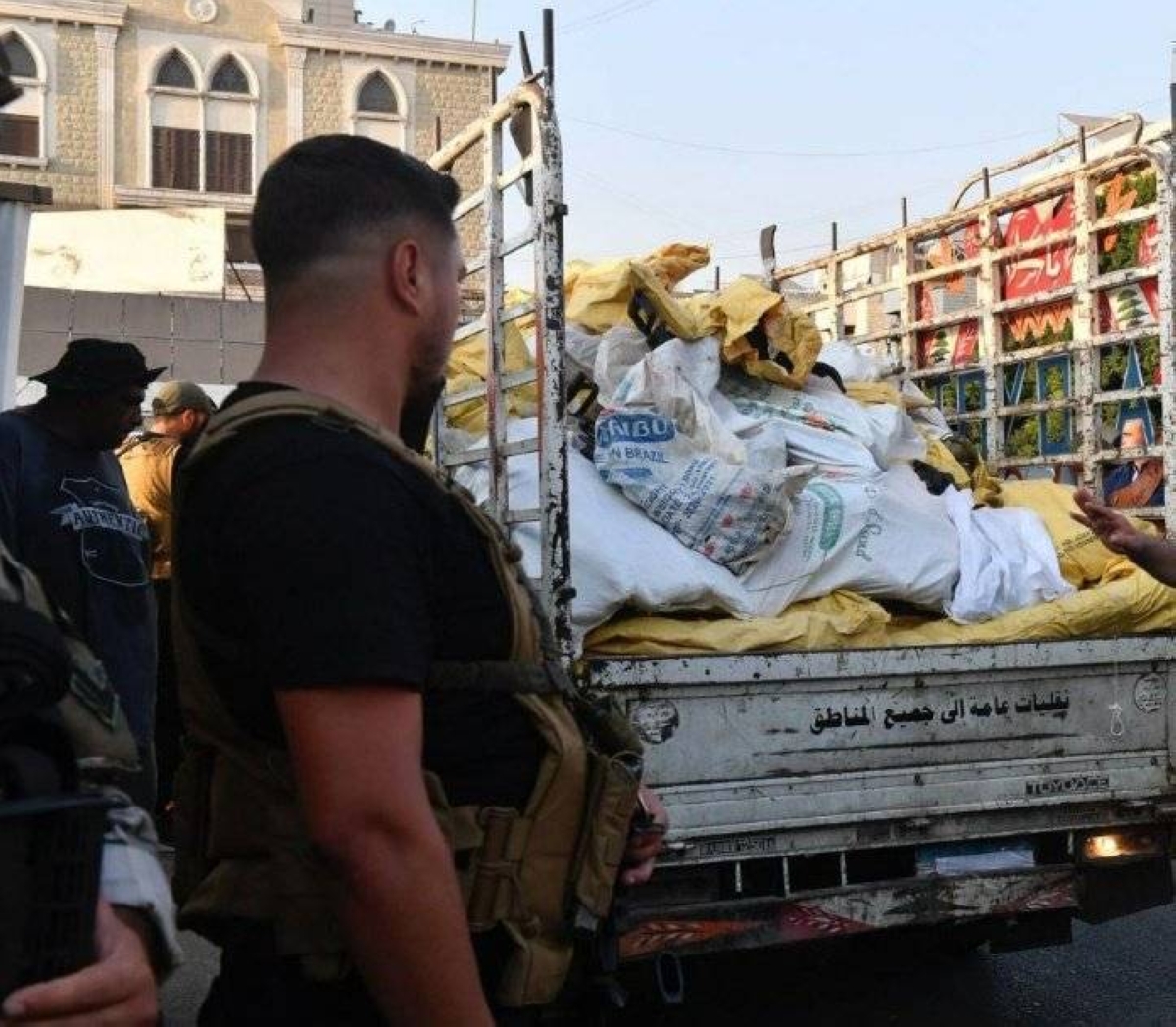
سلاح المخيمات في بيروت.


تابع قناة عكاظ على الواتساب
راوية حشمي (بيروت)HechmiRawiya@
Will the Lebanese state be able to completely close the file on Palestinian weapons, or are the current understandings merely a transient phase before the return of complications? Four handover operations took place smoothly in more than one refugee camp, but the presence of weapons with "Hamas," "Islamic Jihad," and other Islamic factions raises questions about the state's ability to assert its authority to the end.
Political Dialogue
So far, the Lebanese army has provided a clear model in managing this file: political dialogue with the Palestinian leadership, meticulous field accompaniment, and gradual steps that take into account the sensitivity of the camps. From Beirut to the south and then to the north, the picture seemed like a tangible translation of the joint statement issued after the meeting between Lebanese President Joseph Aoun and Palestinian President Mahmoud Abbas. However, the success of the four operations is only half the journey, as the other half depends on the response of factions that are still hesitant or link the handover of weapons to political and legal demands.
The main concern lies in the possibility that the disparity between the factions could become a loophole that keeps some camps outside the state's authority, especially since the discussion is not limited to individual weapons but includes medium and heavy arms. Here, additional questions arise: Will the army continue its plan without comprehensive political consensus? And does linking weapons to the civil rights files of refugees slow down the process and perhaps freeze it?
Commitment to Implementing the Agreement
In this context, Abu Iyad Shalaan, a member of the Lebanon region leadership in the "Fatah" movement, clarified to "Okaz" that "the process of handing over weapons was carried out according to the joint Lebanese-Palestinian statement issued after the meeting between the Lebanese president and Palestinian President Mahmoud Abbas during his visit to Lebanon. The goal of this process is to stand by Lebanon in facing crises and international pressures, and we responded to what was stated in the statement and committed to implementing the instructions of the Palestine Liberation Organization and the leadership of the Fatah movement. Today, I can say that we have made significant progress, and we have completely finished the process of handing over weapons inside the camps."
He added: "At the level of the factions of the Palestine Liberation Organization, we have fulfilled what we committed to before the Lebanese state in 12 camps, noting that some camps, such as the Jalil camp in Bekaa, were essentially free of weapons. On the other hand, there are other factions that are still continuing their meetings with the Lebanese state to also commit to handing over medium and heavy weapons."
Rights of Refugees
Shalaan concluded by saying: "As for the remaining factions, there is a near agreement, especially from Hamas, on the handover of weapons, but on the other hand, there are demands related to the humanitarian and civil rights of Palestinian refugees. These demands are not only a subject of negotiation from Hamas's side but also from the Embassy of the State of Palestine in Lebanon, which is communicating with the relevant Lebanese authorities to establish these rights. Naturally, this process will take a considerable amount of time, as it goes through legal mechanisms starting from the Council of Ministers, then referred to the Parliament, leading to the issuance of necessary legislation related to the rights of Palestinian refugees."
While waiting for what the other factions will decide, the Palestinian weapons file remains open to contradictory possibilities: either the completion of a historic process or the persistence of fragments that complicate the state's mission to assert its authority over all Lebanese territory.
Political Dialogue
So far, the Lebanese army has provided a clear model in managing this file: political dialogue with the Palestinian leadership, meticulous field accompaniment, and gradual steps that take into account the sensitivity of the camps. From Beirut to the south and then to the north, the picture seemed like a tangible translation of the joint statement issued after the meeting between Lebanese President Joseph Aoun and Palestinian President Mahmoud Abbas. However, the success of the four operations is only half the journey, as the other half depends on the response of factions that are still hesitant or link the handover of weapons to political and legal demands.
The main concern lies in the possibility that the disparity between the factions could become a loophole that keeps some camps outside the state's authority, especially since the discussion is not limited to individual weapons but includes medium and heavy arms. Here, additional questions arise: Will the army continue its plan without comprehensive political consensus? And does linking weapons to the civil rights files of refugees slow down the process and perhaps freeze it?
Commitment to Implementing the Agreement
In this context, Abu Iyad Shalaan, a member of the Lebanon region leadership in the "Fatah" movement, clarified to "Okaz" that "the process of handing over weapons was carried out according to the joint Lebanese-Palestinian statement issued after the meeting between the Lebanese president and Palestinian President Mahmoud Abbas during his visit to Lebanon. The goal of this process is to stand by Lebanon in facing crises and international pressures, and we responded to what was stated in the statement and committed to implementing the instructions of the Palestine Liberation Organization and the leadership of the Fatah movement. Today, I can say that we have made significant progress, and we have completely finished the process of handing over weapons inside the camps."
He added: "At the level of the factions of the Palestine Liberation Organization, we have fulfilled what we committed to before the Lebanese state in 12 camps, noting that some camps, such as the Jalil camp in Bekaa, were essentially free of weapons. On the other hand, there are other factions that are still continuing their meetings with the Lebanese state to also commit to handing over medium and heavy weapons."
Rights of Refugees
Shalaan concluded by saying: "As for the remaining factions, there is a near agreement, especially from Hamas, on the handover of weapons, but on the other hand, there are demands related to the humanitarian and civil rights of Palestinian refugees. These demands are not only a subject of negotiation from Hamas's side but also from the Embassy of the State of Palestine in Lebanon, which is communicating with the relevant Lebanese authorities to establish these rights. Naturally, this process will take a considerable amount of time, as it goes through legal mechanisms starting from the Council of Ministers, then referred to the Parliament, leading to the issuance of necessary legislation related to the rights of Palestinian refugees."
While waiting for what the other factions will decide, the Palestinian weapons file remains open to contradictory possibilities: either the completion of a historic process or the persistence of fragments that complicate the state's mission to assert its authority over all Lebanese territory.


