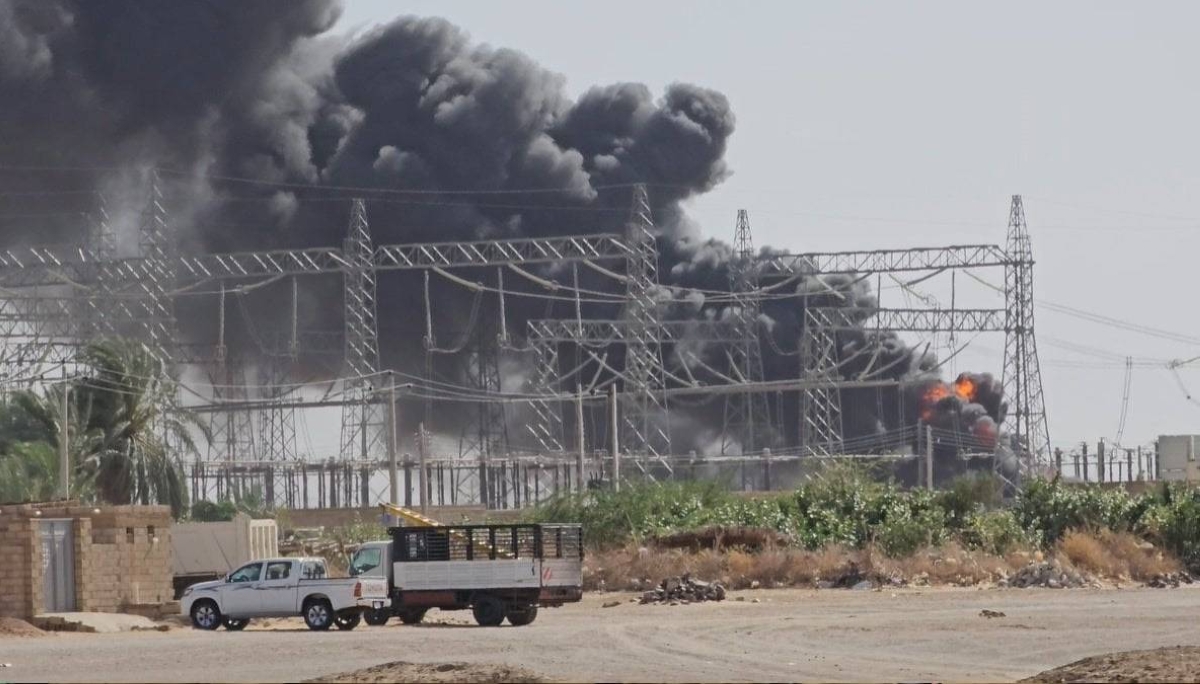
وسط أزمات إنسانية متفاقمة، اتهم مجلس السيادة السوداني اليوم (الأحد)، قوات الدعم السريع باستهداف مستودعات الوقود بالنيل الأبيض ومطار كنانة، ومحطة أم دباكر للكهرباء.
وأفاد مصدر عسكري سوداني بأن مسيرات الدعم السريع استهدفت مستودعات الوقود بالسكة الحديد بمدينة كوستي، وذلك بعد سماع دوي انفجارات بمناطق متفرقة بالمدينة بولاية النيل الأبيض تزامنا مع تحليق المسيرات.
الكوليرا
من جهة أخرى، أعلنت منظمة «أطباء بلا حدود» تسجيل أكثر من 2200 حالة يُشتبه بإصابتها بالكوليرا و39 وفاة بوسط دارفور غرب السودان منذ منتصف يوليو، فيما قالت المنسقية العامة لمخيمات النازحين واللاجئين بالسودان إنها سجلت 416 إصابةً جديدة بينها 12 وفاة، ليرتفع إجمالي الإصابات في الإقليم إلى أكثر من 11,441 مصاباً و441 وفاة، وسط تدهور صحي وبيئي متفاقم.
وأكد تقرير المنسقية استمرار تفشي الوباء في عدة مناطق بدارفور، بما في ذلك المناطق والقرى المحيطة بزالنجي وجبل مرة بوسط دارفور ونيالا بجنوب دارفور وخزان جديد بمحلية شعيرية في شرق دارفور، وكذلك في مخيمات النازحين، حيث انتشر المرض بمعدلات غير مسبوقة.
نقص الإمدادات
وأشار التقرير إلى أنه في ظل نقص الإمدادات الطبية والخدمات الأخرى في مراكز العزل تبذل المنظمات الإنسانية والمتطوعين المحليين وغرف الطوارئ والسلطات المحلية جهودا جبارة لمكافحة المرض، لافتاً إلى أن هناك صعوبات وتحديات كبيرة بسبب تزايد معدلات الإصابة، بالإضافة إلى الملاريا وسوء التغذية بين الأطفال والجوع.
وأشار إلى أن هذه التحديات تهدد حياة الناس وتُمثل كابوسا وكارثة إنسانية منسية يتجاهلها المجتمع الدولي في بلد مزقته الحرب والمجاعة والأمراض والأوبئة ونقص الغذاء.
Amid escalating humanitarian crises, the Sudanese Sovereign Council accused the Rapid Support Forces today (Sunday) of targeting fuel depots in White Nile and Kenana Airport, as well as the Um Dbaikr electricity station.
A Sudanese military source reported that Rapid Support Forces drones targeted fuel depots at the railway in the city of Kosti, following the sound of explosions heard in various areas of the city in White Nile state coinciding with the drone flights.
Cholera
On another note, Médecins Sans Frontières announced the registration of more than 2,200 suspected cholera cases and 39 deaths in Central Darfur, western Sudan, since mid-July. Meanwhile, the general coordination of the displaced and refugee camps in Sudan reported 416 new cases, including 12 deaths, bringing the total number of infections in the region to over 11,441 and 441 deaths, amid a deteriorating health and environmental situation.
The coordination report confirmed the continued spread of the epidemic in several areas of Darfur, including the areas and villages surrounding Zalingei and Jebel Marra in Central Darfur, Nyala in South Darfur, and the New Reservoir in Shariyah locality in East Darfur, as well as in the displaced persons camps, where the disease has spread at unprecedented rates.
Supply Shortages
The report indicated that amid shortages of medical supplies and other services in isolation centers, humanitarian organizations, local volunteers, emergency rooms, and local authorities are making tremendous efforts to combat the disease, noting that there are significant difficulties and challenges due to the rising infection rates, in addition to malaria, malnutrition among children, and hunger.
It pointed out that these challenges threaten people's lives and represent a nightmare and a forgotten humanitarian disaster that the international community ignores in a country torn apart by war, famine, diseases, epidemics, and food shortages.