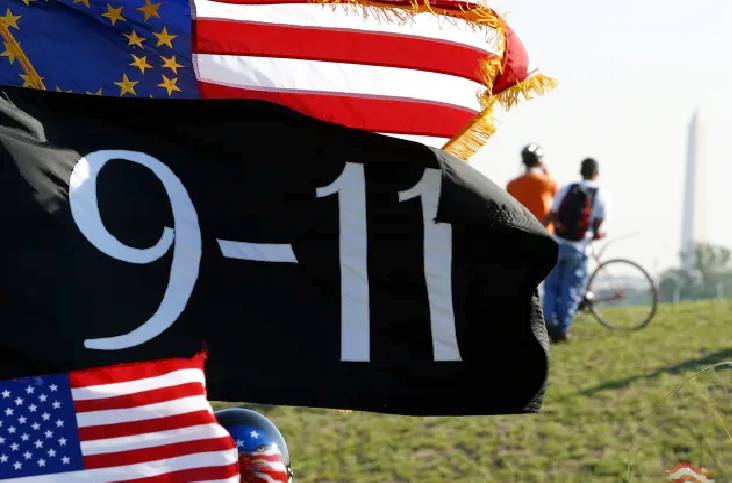
تتوقف عجلة التاريخ عند محطات غير متوقعة أحيانا، بهدف إعادة صياغة مسار الزمن، ويكشف توقفها خيوطا متصلة بين أحداث تبدو للوهلة الأولى متباعدة. ولهذا جاء اغتيال الناشط السياسي الأمريكي تشارلي كيرك بمثابة رصاصة اخترقت جدار الهدوء النسبي الذي ساد بعد نهاية أطول حرب خاضتها الولايات المتحدة الأمريكية، فحادثة اغتياله لم تكن حدثا منعزلا إطلاقا، كما أن اغتيال كيرك ليس مجرد حادثة أمريكية محلية فحسب، بل هي نقطة تتلاقى فيها خطوط التاريخ المعقدة التي رسمتها أحداث الـ11 من سبتمبر عام 2001.
لا يزيل دوران عجلة الزمان سؤالا ما زال حاضرا حتى اليوم: كيف أن الحرب على الإرهاب التي بدأت كاستجابة لتهديد خارجي أدت في النهاية إلى انقسامات وتوترات داخلية عميقة، بعد أن غيرت وجه العالم؟
ربما كان اغتيال كيرك آخر تلك الفصول الدموية، لكن هل كان هذا الاغتيال خاتمة غير متوقعة لمسار بدأ قبل أكثر من عقدين، أم أنه نتاج منطقي للتغيرات التي طرأت على العالم؟
مرحلة جديدة للأمن العالمي
لم يكن صباح الـ11 من سبتمبر يوما عاديا، بل كان بداية مرحلة أدت إلى تغير وجه العالم، فالهجمات على برجي التجارة في نيويورك والبنتاغون لم تقتصر آثارها على الولايات المتحدة الأمريكية فحسب، إنما أطلقت شرارة مرحلة جديدة عنوانها الحرب على الإرهاب.
كانت هجمات سبتمبر بمثابة انقلاب جيوسياسي دفع بالولايات المتحدة إلى مراجعة شاملة لمنظومتها الأمنية على المستويين الداخلي والخارجي. فوفقا لتقرير صادر عن مركز بيو للأبحاث، أدت الأحداث إلى تغيير جذري في الرأي العام الأمريكي الذي بات يؤيد التدخل العسكري الخارجي لمنع تكرار ما حدث. وهذا التحول لم يكن تكتيكيا بل كان إستراتيجيا، إذ تم استبدال سياسات الردع التي سادت في حقبة ما بعد الحرب الباردة، بنهج استباقي يقوم على الحرب المفتوحة على الإرهاب.
ولم يقتصر التحول على الفكر النظري، فسرعان ما دخلت القوات الأمريكية كلا من أفغانستان والعراق خلال سنوات قليلة، لتخوض حروبا طويلة أنفقت فيها تريليونات الدولارات دون أن تحقق الاستقرار المنشود، وانتهت بانسحاب فوضوي من أفغانستان في عهد الرئيس بايدن. وقد أدى ذلك إلى مزيد من عدم الاستقرار والصراعات المذهبية وظهور تنظيمات إرهابية جديدة مثل «داعش» في الشرق الأوسط. لقد أثبتت هذه الأحداث أن الرد العسكري على الإرهاب لم يقضِ على الظاهرة، بل أعاد تشكيلها ونقلها إلى مسار جديد. فرغم النجاحات التكتيكية كالقضاء على قادة الفكر الإرهابي مثل أسامة بن لادن، فإن المواد البحثية تظهر فشلا إستراتيجيا ذريعا. فالحرب التي كان هدفها القضاء على الإرهاب أدت إلى ظهور تنظيمات جديدة، واستمرار التهديد، وتكلفة مالية باهظة من المتوقع أن يصل إجمالي قيمتها مع الفوائد إلى 6.5 تريليون دولار بحلول عام 2050. كما تسببت السياسات الأمنية المتشددة في جدل سياسي محتدم حول الهجرة والحقوق المدنية.
صدمة نفسية واجتماعية
ترك المشهد المروع لهجمات سبتمبر بصماته في الوعي الجمعي. وارتفعت مستويات القلق والخوف في المدن الكبرى، وتغيّرت عادات السفر والعمل ونشأت في أرجاء العالم كافة سياسات أمنية مشددة، ليصبح عبور المطارات والحدود تجربة مختلفة تماما عما كانت عليه قبل ذلك الصباح. وعلى الرغم من أن الأمريكيين توحدوا لفترة وجيزة خلف شعارات التضامن الوطني، لكن مع مرور الوقت بدأ الإحباط يتسلل بسبب طول أمد الحروب وتراجع الثقة في الحكومات.
المسلمون تحت المجهر
انعكست الهجمات الإرهابية سلبا على صورة المسلمين في الغرب، إذ تصاعدت ضدهم حالات التمييز وانتشرت المراقبة، وأصبح الإسلام مرتبطا في أذهان كثيرين بالتهديد الأمني. ولعب الإعلام مع السياسية دورا بارزا في تكريس هذه الصورة، بينما دفعت الجاليات المسلمة ثمنا اجتماعيا ونفسيا باهظا، بعد أن أحدثت هجمات سبتمبر شرخا في علاقات أمريكا بمواطنيها المسلمين، وبروز أسئلة وجودية على الساحة العامة مثل: «لماذا يكرهوننا؟»، و«لماذا قام مسلمون بهذه الهجمات؟». وأدى هذا المناخ السياسي والاجتماعي إلى تنامي ظاهرة الإسلاموفوبيا، إذ تعرض الآلاف من المسلمين لمضايقات أمنية، إضافة إلى التنمر والعنصرية والاستهداف المجتمعي.
وتظهر الأرقام حجم هذا الاستقطاب، ففي استطلاع لـ«غالوب» كشف أن 62% من الجمهوريين قالوا إنهم لن يصوتوا أبدا لمرشح مسلم للرئاسة. كما أن نسبة الجمهوريين الذين يربطون الإسلام بالعنف ارتفعت من 32% في عام 2002 إلى 72% في عام 2021. لقد تحول خطاب صراع الحضارات الذي ساد في فترة ما بعد الهجمات إلى صراع داخلي، خلق انقساما مجتمعيا حادا بين المواطنين الأمريكيين أنفسهم.
ويحدث ذلك بالتزامن مع تحول أمني يتمثل في سلسلة تغييرات تشريعية غير مسبوقة، بدأت بإقرار قانون «باتريوت آكت» الذي منح الأجهزة الأمنية صلاحيات واسعة في الاستجواب والتفتيش والاعتقال دون الالتزام الكامل بالإجراءات القانونية التقليدية. وكان هذا القانون بمثابة زوال للحدود التي كانت تفصل بين التحقيقات الجنائية العادية وقضايا الأمن القومي.
إرث ثقافي وتكنولوجي
حتى الثقافة لم تكن بمنأى عن أحداث سبتمبر. ويلحظ المتابعون أن هوليوود والنتاج الأدبي ووسائل الإعلام امتلأت بقصص عن الإرهاب والتضحية. وفي الوقت نفسه، تطورت تقنيات المراقبة والذكاء الاصطناعي لتصبح جزءا من الحرب على الإرهاب، فاتحة الباب لمرحلة جديدة من الجدل حول الخصوصية.
اغتيال كيرك يعيد الذاكرة
وفي الوقت الذي ظن فيه الناس أن العالم بدأ يبتعد شيئا فشيئا عن إرث هجمات سبتمبر، جاء اغتيال الناشط الأمريكي المحافظ تشارلي كيرك ليعيد المخاوف الأمنية من جديد إلى الواجهة. فالرصاصة التي أطلقت عشية الأربعاء لم تقتله فحسب بل ذكّرت الجميع بأن الإرهاب والعنف السياسي لم يغادرا المشهد، وأن الظلال الثقيلة لهجمات سبتمبر لا تزال حاضرة في السياسة والمجتمع حتى اليوم.
إن هذا الاغتيال ليس حدثا منعزلا، إنما واحد من نتائج المسار الذي رسمته أحداث 11 سبتمبر. لقد بدأت أمريكا حربا شاملة ضد الإرهاب، واستخدمت أدوات غير مسبوقة لتوحيد الجبهة الداخلية ضد عدو خارجي. لكن الانقسامات الاجتماعية والسياسية التي نمت في ظل هذا المناخ، إضافة إلى التكلفة الباهظة للحروب التي لم تُحسم، أدت إلى تحويل تركيز الخوف والغضب من الخارج إلى الداخل. إن الاغتيال السياسي لكيرك ليس إرهابا شبيها بذلك الذي ساد بعد 11 سبتمبر، بل هو إرهاب سياسي داخلي، ينبع من الاحتقان المتراكم على مدى عقدين. ويشير هذا الحدث إلى أن «العدو» لم يعد «خارج حدود أمريكا» بل أصبح هذه المرة «بداخلها».
ويمكن اعتبار اغتيال كيرك نهاية رمزية لمرحلة الحرب على الإرهاب التي بدأت بـ11 سبتمبر. فبعد 20 عاما، تنهي واشنطن حربها الأطول في أفغانستان، ويبدو أن عصر التدخلات العسكرية الكبرى قد انتهى. لكن العنف لم ينته، بل عاد ليضرب في قلب المجتمع الأمريكي، وهذه المرة كعنف سياسي. وهذا يطرح تساؤلا جوهريا حول مستقبل الولايات المتحدة والعالم بعد أن انتهت الحروب الخارجية، ولكن لم تنته أسبابها الداخلية.
إرث هجمات سبتمبر
في الختام، يظهر أن تبعات هجمات سبتمبر لم تُنهِ تهديد الإرهاب، بل غيّرت طبيعته. وأدت إلى حروب استنزافية في الخارج مقابل تآكل للحريات في الداخل، وتفاقم الانقسامات الاجتماعية والسياسية. إن رصاصة يوتا ليست حدثا معزولا، بل هي نتيجة حتمية لهذا المسار التاريخي. إنها تُخبرنا أن التهديد الحقيقي لم يعد فقط في الطائرات المحطمة أو الأبراج المنهارة، بل في الانقسام واليأس الذي ينمو داخل المجتمعات نفسها.
ولعل الدرس المستخلص من دروس العقدين الماضيين يتمحور حول أن التحديات الأمنية والسياسية المستقبلية لن يتم حلها فقط بالإستراتيجيات العسكرية البحتة، بل تحتاج حلولا جذرية تكافح الأسباب العميقة للتطرف، سواء كانت خارجية أو حتى داخلية، لأن الحرب الحقيقية على الإرهاب يجب أن تنطلق من معالجة الانقسامات وبناء مجتمعات مرنة تسودها العدالة والالتزام بحقوق الانسان مع الاستثمار في أسباب السلام بدلا من مسببات الحرب.
The wheel of history sometimes stops at unexpected stations, aiming to reshape the course of time, revealing interconnected threads between events that initially seem distant. Thus, the assassination of American political activist Charlie Kirk came as a bullet that pierced the wall of relative calm that prevailed after the end of the longest war fought by the United States. His assassination was by no means an isolated incident, nor is Kirk's assassination merely a local American event; it is a point where the complex lines of history intersect, drawn by the events of September 11, 2001.
The passage of time does not erase a question that remains present to this day: How did the war on terror, which began as a response to an external threat, ultimately lead to deep internal divisions and tensions after changing the face of the world?
Perhaps Kirk's assassination is the latest of those bloody chapters, but was this assassination an unexpected conclusion to a course that began more than two decades ago, or is it a logical outcome of the changes that have occurred in the world?
A New Phase for Global Security
The morning of September 11 was not an ordinary day; it marked the beginning of a phase that led to a transformation in the face of the world. The attacks on the Twin Towers in New York and the Pentagon did not only have repercussions for the United States, but ignited a new phase titled the war on terror.
The September attacks were a geopolitical coup that prompted the United States to undertake a comprehensive review of its security system at both domestic and international levels. According to a report from the Pew Research Center, these events led to a radical change in American public opinion, which began to support military intervention abroad to prevent a recurrence of what had happened. This shift was not tactical but strategic, as deterrent policies that prevailed in the post-Cold War era were replaced by a proactive approach based on an open war on terror.
The transformation was not limited to theoretical thought; American forces quickly entered both Afghanistan and Iraq within a few years, engaging in long wars that cost trillions of dollars without achieving the desired stability, culminating in a chaotic withdrawal from Afghanistan under President Biden. This led to further instability, sectarian conflicts, and the emergence of new terrorist organizations like ISIS in the Middle East. These events demonstrated that military responses to terrorism did not eliminate the phenomenon but reshaped and redirected it onto a new path. Despite tactical successes like the elimination of terrorist leaders such as Osama bin Laden, research materials show a catastrophic strategic failure. The war aimed at eradicating terrorism led to the emergence of new organizations, the continuation of the threat, and a financial cost expected to reach a total of $6.5 trillion by 2050, including interest. Additionally, the stringent security policies sparked heated political debates over immigration and civil rights.
Psychological and Social Shock
The horrific scene of the September attacks left its mark on collective consciousness. Levels of anxiety and fear rose in major cities, travel and work habits changed, and strict security policies emerged worldwide, making crossing airports and borders a completely different experience from what it was before that morning. Although Americans briefly united behind slogans of national solidarity, over time, frustration began to creep in due to the prolonged wars and declining trust in governments.
Muslims Under Scrutiny
The terrorist attacks negatively impacted the image of Muslims in the West, as instances of discrimination against them increased, surveillance spread, and Islam became associated in the minds of many with security threats. The media and politics played a prominent role in entrenching this image, while Muslim communities paid a heavy social and psychological price, as the September attacks created a rift in America's relationships with its Muslim citizens, raising existential questions in the public sphere such as: "Why do they hate us?" and "Why did Muslims carry out these attacks?" This political and social climate led to the rise of Islamophobia, with thousands of Muslims facing security harassment, in addition to bullying, racism, and community targeting.
Statistics reveal the extent of this polarization; a Gallup poll found that 62% of Republicans said they would never vote for a Muslim presidential candidate. Furthermore, the percentage of Republicans linking Islam to violence rose from 32% in 2002 to 72% in 2021. The discourse of the clash of civilizations that prevailed in the post-attacks period transformed into an internal conflict, creating a sharp societal divide among American citizens.
This occurred alongside a security transformation represented by a series of unprecedented legislative changes, beginning with the enactment of the Patriot Act, which granted security agencies broad powers in interrogation, search, and detention without full adherence to traditional legal procedures. This law marked the erosion of the boundaries that separated ordinary criminal investigations from national security cases.
Cultural and Technological Legacy
Even culture was not immune to the events of September 11. Observers note that Hollywood, literary production, and media became filled with stories about terrorism and sacrifice. At the same time, surveillance and artificial intelligence technologies evolved to become part of the war on terror, opening the door to a new phase of debate about privacy.
Kirk's Assassination Rekindles Memories
At a time when people thought the world was gradually moving away from the legacy of the September attacks, the assassination of conservative American activist Charlie Kirk brought security fears back to the forefront. The bullet fired on the evening of Wednesday not only killed him but reminded everyone that terrorism and political violence have not left the scene, and the heavy shadows of September 11 still loom over politics and society today.
This assassination is not an isolated event; it is one of the outcomes of the path drawn by the events of September 11. America launched a comprehensive war on terror, using unprecedented tools to unify the domestic front against an external enemy. However, the social and political divisions that grew in this climate, along with the exorbitant cost of unresolved wars, shifted the focus of fear and anger from abroad to within. Kirk's political assassination is not terrorism akin to that which prevailed after September 11, but rather an internal political terrorism, stemming from the accumulated tensions over two decades. This event indicates that the "enemy" is no longer "outside America's borders" but has now become "within them."
Kirk's assassination can be seen as a symbolic end to the phase of the war on terror that began with September 11. After 20 years, Washington is ending its longest war in Afghanistan, and it seems that the era of major military interventions has come to an end. However, violence has not ceased; it has returned to strike at the heart of American society, this time as political violence. This raises a fundamental question about the future of the United States and the world after the external wars have ended, but the internal causes have not.
The Legacy of September 11
In conclusion, it appears that the repercussions of the September 11 attacks did not end the threat of terrorism but changed its nature. They led to protracted wars abroad at the cost of eroding freedoms at home and exacerbating social and political divisions. The Utah bullet is not an isolated event but a necessary outcome of this historical trajectory. It tells us that the real threat is no longer just in the shattered planes or collapsed towers, but in the division and despair growing within societies themselves.
Perhaps the lesson drawn from the past two decades centers around the fact that future security and political challenges will not be solved solely by military strategies; rather, they require radical solutions that address the deep-rooted causes of extremism, whether external or even internal, because the real war on terror must start from addressing divisions and building resilient communities characterized by justice and commitment to human rights, while investing in the causes of peace instead of the causes of war.