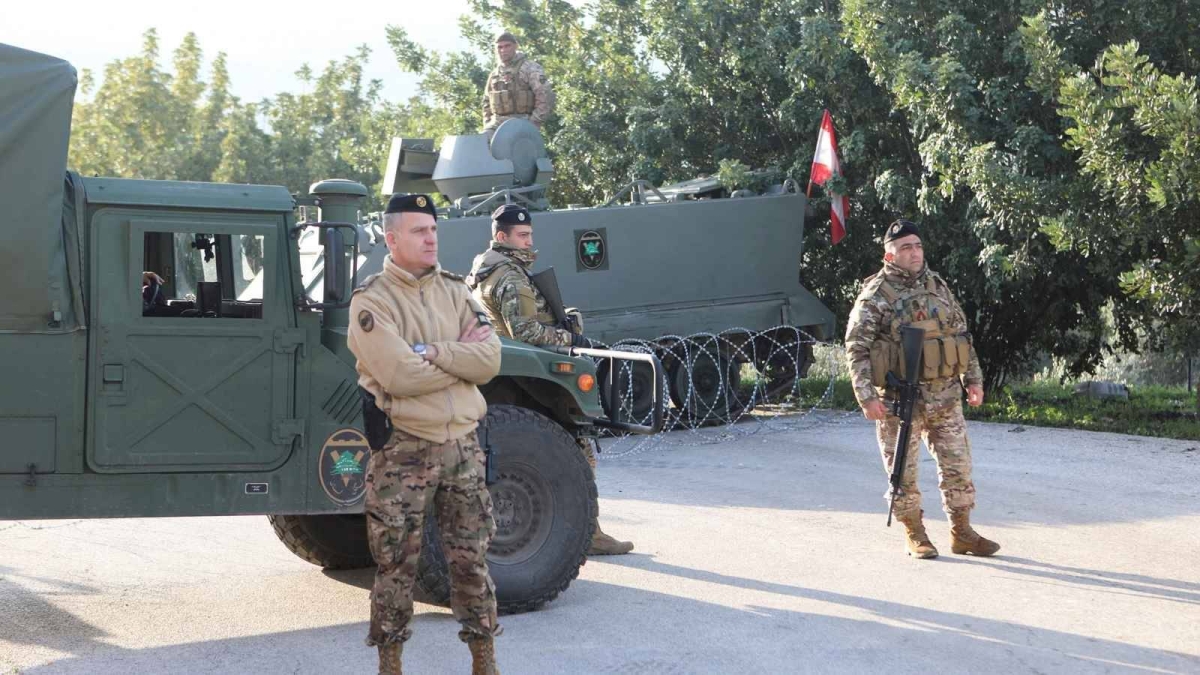
إعلان المرحلة الأولى من خطة الجيش اللبناني لحصر السلاح، فتح الباب أمام نقاش داخلي وخارجي يتجاوز مجرد المهلة الزمنية.ثلاثة أشهر بدت كأنها وقت قصير لرسم خريطة طريق نحو هدف استراتيجي لطالما تعثرت الحكومات في مقاربته: «حصر السلاح بيد الدولة».جلسة مجلس الوزراء في 5 سبتمبر لم تكن عادية، فهي منحت الجيش تفويضاً سياسياً شكلياً، لكنها في الوقت نفسه كشفت الغموض المتعمّد الذي يحيط بالتفاصيل. فالقرار جاء بلا آليات تنفيذية واضحة، وبلا جدول زمني لما بعد انتهاء المرحلة الأولى، وكأن الحكومة أرادت أن توازن بين رفع شعار الدولة وبين ترك الباب مفتوحاً أمام تسويات محتملة.هذا الغموض ليس بالضرورة علامة ضعف، وقد يكون انعكاساً لميزان القوى. فالحكومة لا تستطيع المجاهرة بخطوات عملية ضد حزب الله من دون أن تتحمل كلفة مواجهة سياسية وأمنية يصعب السيطرة على نتائجها. لكنها في الوقت نفسه ملزمة بتقديم صورة إلى الخارج بأنها تسير في اتجاه تعزيز سلطة الدولة. وهكذا، تحوّلت المهلة المعلنة إلى أداة مزدوجة: في الداخل وسيلة لإدارة التوازنات، وفي الخارج ورقة لشراء الوقت.
جنوب لبنان.. قلب المعادلة
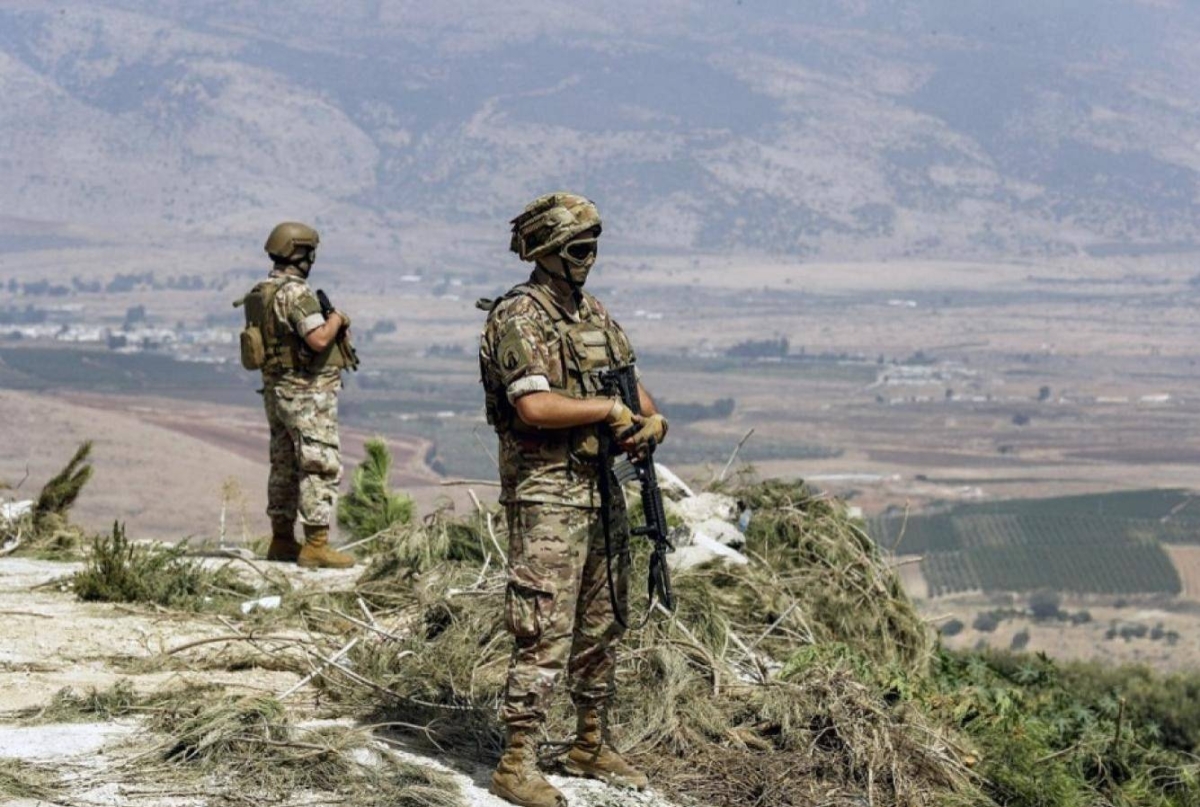
المرحلة الأولى من الخطة تتمركز في الجنوب، حيث يتداخل السلاح مع الجغرافيا والسياسة والبنية الاجتماعية. هذه المنطقة ليست مجرد رقعة عسكرية، بل مسرح يومي للاحتكاك مع إسرائيل، ومجال حيوي لحزب الله الذي يملك فيها قدرة نفوذ شبه مطلقة. أي تحرك للجيش هنا لن يكون تقنياً أو إدارياً فحسب، بل سيحمل دلالات سياسية عميقة: هل الجيش قادر على فرض حضوره من دون صدام؟ هل يمكن للحكومة أن تترجم شعار "السلاح بيد الدولة" من دون أن تتحول إلى خصم مباشر للحزب؟المعضلة أن الجنوب ليس فقط ملفاً داخلياً، بل أيضاً خط تماس مع إسرائيل. أي حادثة أمنية أو تصعيد ميداني قد يقلب المعادلة رأساً على عقب. فإذا اختار الحزب عدم التعاون، أو إذا تحركت إسرائيل بشكل مفاجئ، فإن مهلة الأشهر الثلاثة ستفقد قيمتها العملية وتتحول إلى عنوان أزمة جديدة.
الحسابات الدولية والضغوط الغربية
في الكواليس، ينظر الغرب إلى هذه المهلة باعتبارها اختباراً لصدقية الدولة اللبنانية. الأمريكيون لم يصدروا موقفاً علنياً حاسماً بعد جلسة 5 سبتمبر، بخلاف ما فعلوا في محطات سابقة، لكنهم يواصلون العمل عبر لجنة مراقبة وقف إطلاق النار، المعروفة بـ«الميكانيزم». هذه اللجنة تركز على ضمان أن تبقى حدود الجنوب مستقرة، وأن يتم تسجيل أي تقدّم ملموس في تطبيق خطة الجيش.الأوروبيون بدورهم يربطون مساعداتهم الاقتصادية والمالية بمؤشرات سياسية وأمنية. وكل تباطؤ داخلي سينعكس مباشرة في مواقف أكثر تشدداً من بروكسل وباريس وبرلين. وهو ما يعني أن الحكومة اللبنانية لا تواجه فقط تحدي السيطرة على السلاح، بل أيضاً خطر خسارة الدعم الخارجي إذا لم تُظهر تقدماً ملموساً. الضغط هنا ليس رمزياً، بل عملي، وقد يتحول إلى ورقة ابتزاز مالي في أية لحظة.
الحكومة تمشي على الحافة
لماذا تعمّدت الحكومة اللبنانية أن تلتزم سياسياً بخطة الجيش من دون أن تدخل في مواجهة مفتوحة مع حزب الله؟ هل تركت التفاصيل ضبابية لتسمح لنفسها بالمناورة؟ هذا الغموض، وإن بدا مربكاً للبعض، إلا أنه وفقاً لمصدر سياسي خاص بـ«عكاظ»، يمنح الدولة هامشاً لتجنب الانفجار المبكر، ويتيح لها كسب الوقت بانتظار تبلور تفاهمات أوسع، سواء داخلية أو إقليمية. لكن هذه الاستراتيجية محفوفة بالمخاطر. فالمماطلة قد تُفسَّر داخلياً على أنها ضعف، وتفتح الباب أمام تصاعد الاحتجاجات أو عودة السجالات السياسية الحادة. وفي الخارج، قد يقرأها الشركاء الدوليون إشارةً إلى غياب الجدية، ما يدفعهم إلى مضاعفة الضغوط. بمعنى آخر، إن لعبة التوازن هذه لا يمكن أن تستمر طويلاً: فإما أن تتحول إلى أداة ناجحة لتأجيل الانفجار، أو إلى سبب مباشر لتفجيره.
ملامح المرحلة القادمة
مع اقتراب نهاية العام 2025، ستتضح إلى أي مدى استطاع لبنان أن يحول المهلة الأولى إلى إنجاز ملموس. فالمرحلة الثانية من خطة حصر السلاح مرهونة تماماً بنتائج الأشهر الثلاثة الأولى. إذا تمكن الجيش من فرض حضور تدريجي في الجنوب من دون صدام مباشر، فسيكون ذلك مكسباً سياسياً يمكن البناء عليه. أما إذا بقي التنفيذ معلقاً والغموض سيد الموقف، فإن لبنان سيدخل مرحلة جديدة من الضغط الخارجي والابتزاز الداخلي.في كل الأحوال، جلسة 5 سبتمبر كانت خطوة تكتيكية محسوبة: إعلان أن الدولة تحاول أن تفرض سلطتها ضمن حدود الممكن، وأنها تختبر قدرتها على السير بين الخطوط الحمراء. والسؤال الذي سيبقى مطروحاً هو ما إذا كانت هذه الأشهر الثلاثة مجرد فترة لشراء الوقت بانتظار تسوية دولية أوسع، أم أنها بداية فعلية لمسار طويل نحو استعادة الدولة لقرارها السيادي. الإجابة لن تأتي في البيانات الرسمية، بل في الميدان حيث يتحدد ميزان القوة الفعلي.
The announcement of the first phase of the Lebanese Army's plan to control weapons opened the door for an internal and external discussion that goes beyond just the time frame.
Three months seemed like a short time to draw a roadmap towards a strategic goal that governments have long stumbled over: "controlling weapons in the hands of the state."
The Cabinet session on September 5 was not ordinary; it granted the army a formal political mandate, but at the same time revealed the deliberate ambiguity surrounding the details. The decision came without clear executive mechanisms and without a timeline for what comes after the first phase, as if the government wanted to balance between raising the banner of the state and leaving the door open for potential compromises.
This ambiguity is not necessarily a sign of weakness; it may reflect the balance of power. The government cannot openly take practical steps against Hezbollah without bearing the cost of a political and security confrontation that is difficult to control. Yet, at the same time, it is obligated to present an image to the outside world that it is moving towards strengthening state authority. Thus, the announced timeframe transformed into a dual tool: internally, a means to manage balances, and externally, a card to buy time.
Southern Lebanon.. The Heart of the Equation
The first phase of the plan is centered in the south, where weapons intersect with geography, politics, and social structure. This area is not just a military patch but a daily theater of friction with Israel, and a vital space for Hezbollah, which has near-absolute influence there. Any movement by the army here will not be merely technical or administrative; it will carry deep political implications: Is the army capable of asserting its presence without confrontation? Can the government translate the slogan "weapons in the hands of the state" without becoming a direct adversary of the party?
The dilemma is that the south is not only an internal file but also a front line with Israel. Any security incident or field escalation could turn the equation upside down. If the party chooses not to cooperate, or if Israel acts suddenly, the three-month timeframe will lose its practical value and turn into a new crisis title.International Calculations and Western Pressures
Behind the scenes, the West views this timeframe as a test of the credibility of the Lebanese state. The Americans have not issued a decisive public stance following the September 5 session, unlike what they did in previous instances, but they continue to work through the ceasefire monitoring committee, known as "the mechanism." This committee focuses on ensuring that the southern borders remain stable and that any tangible progress in implementing the army's plan is recorded.
Europeans, for their part, link their economic and financial aid to political and security indicators. Any internal slowdown will directly reflect in more stringent positions from Brussels, Paris, and Berlin. This means that the Lebanese government is not only facing the challenge of controlling weapons but also the risk of losing external support if it does not show tangible progress. The pressure here is not symbolic but practical, and it could turn into a financial blackmail card at any moment.The Government Walks on the Edge
Why did the Lebanese government deliberately commit politically to the army's plan without entering into an open confrontation with Hezbollah? Did it leave the details vague to allow itself to maneuver? This ambiguity, while confusing to some, according to a political source for "Okaz," gives the state a margin to avoid an early explosion and allows it to buy time while waiting for broader understandings to crystallize, whether internal or regional. However, this strategy is fraught with risks. Delaying may be interpreted internally as weakness, opening the door to escalating protests or a return to sharp political debates. Externally, international partners may read it as a sign of a lack of seriousness, prompting them to increase pressures. In other words, this balancing act cannot last long: it will either turn into a successful tool for postponing an explosion or a direct cause for igniting it.Features of the Next Phase
As the end of 2025 approaches, it will become clear to what extent Lebanon has been able to turn the first timeframe into a tangible achievement. The second phase of the weapons control plan is entirely dependent on the results of the first three months. If the army manages to assert a gradual presence in the south without direct confrontation, it will be a political gain that can be built upon. However, if the implementation remains suspended and ambiguity prevails, Lebanon will enter a new phase of external pressure and internal blackmail.
In any case, the September 5 session was a calculated tactical step: announcing that the state is trying to assert its authority within the limits of possibility and that it is testing its ability to navigate between red lines. The question that will remain is whether these three months are merely a period to buy time while awaiting a broader international settlement, or if they mark the actual beginning of a long path towards restoring the state's sovereign decision. The answer will not come in official statements but in the field, where the actual balance of power is determined.